World
Lithuania briefly warns of drone incursion, later says it was a balloon
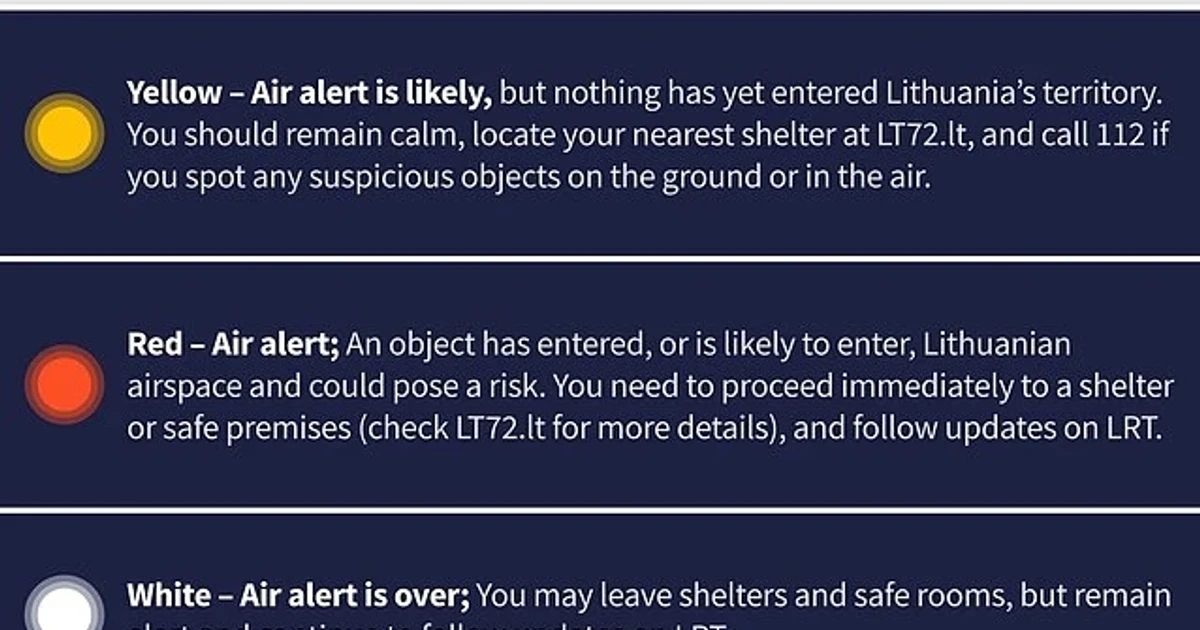
Lithuania’s capital briefly braced for a possible military drone incursion after authorities warned Vilnius residents of suspicious activity in the airspace, then pulled back the alert when the object turned out to be a weather balloon. The episode, which unfolded on Saturday, showed how quickly a routine object can be read as a threat in a country that has spent months on edge over aerial intrusions from the east. In a region shaped by Russia’s war in Ukraine and the pressure on NATO’s eastern flank, the line between a false alarm and a real violation can narrow to minutes.
The reversal matters because Lithuania has already lived through repeated balloon disruptions tied to Belarus. On October 5, 2025, authorities said 25 meteorological balloons entered Lithuanian airspace overnight from Belarus, two of them reaching the airport area around Vilnius. The shutdown at Vilnius Airport affected about 30 flights and 6,000 passengers, a reminder that even non-military objects can force a major aviation response when they drift into sensitive airspace.
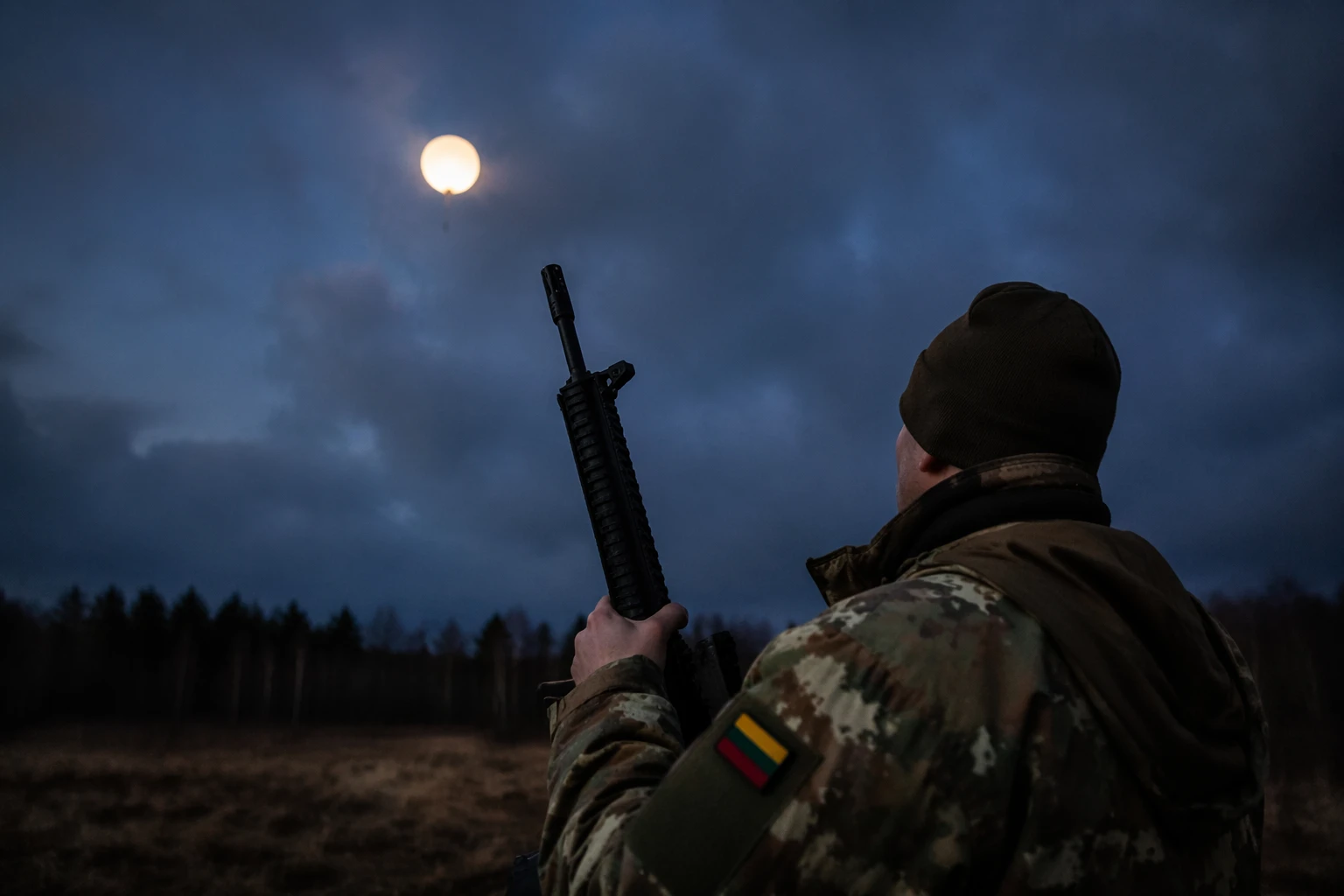
The problem has not been limited to one night. Lithuanian reporting later said balloon-related disruptions affected more than 300 flights and around 47,000 passengers in 2025, with nearly 60 hours of airport closures. Another tally covering the period from October 4 to December 7 put the impact at more than 350 flights and some 51,000 passengers. Vilmantas Vitkauskas, who heads the Lithuania National Crisis Management Centre, has said the balloons’ flight paths can cross the approach path used by aircraft landing at Vilnius Airport, which makes the area especially dangerous even when the object is not a weapon.
The security implications have widened beyond airport operations. Lithuanian officials have described repeated balloon incursions as part of a hybrid attack linked to Belarus, and in December 2025 the government declared a nationwide emergency over the smuggling-balloon threat. That response reflected a broader shift in the Baltic region, where civil authorities, border guards and air-defense systems are being trained to react immediately to ambiguous aerial contacts, then correct the record just as fast when the object is identified.

For NATO allies, the Vilnius false alarm is a stress test of warning systems and public messaging alike. The cost of missing a real incursion is obvious; the cost of overreading a balloon is confusion, disruption and a public left to wonder how many more warnings will prove to be something else.
Sources
- [1]globalbankingandfinance.com
- [2]msn.com
- [3]lrt.lt