Entertainment
Little House on the Prairie inspires family reconciliation and renewed interest
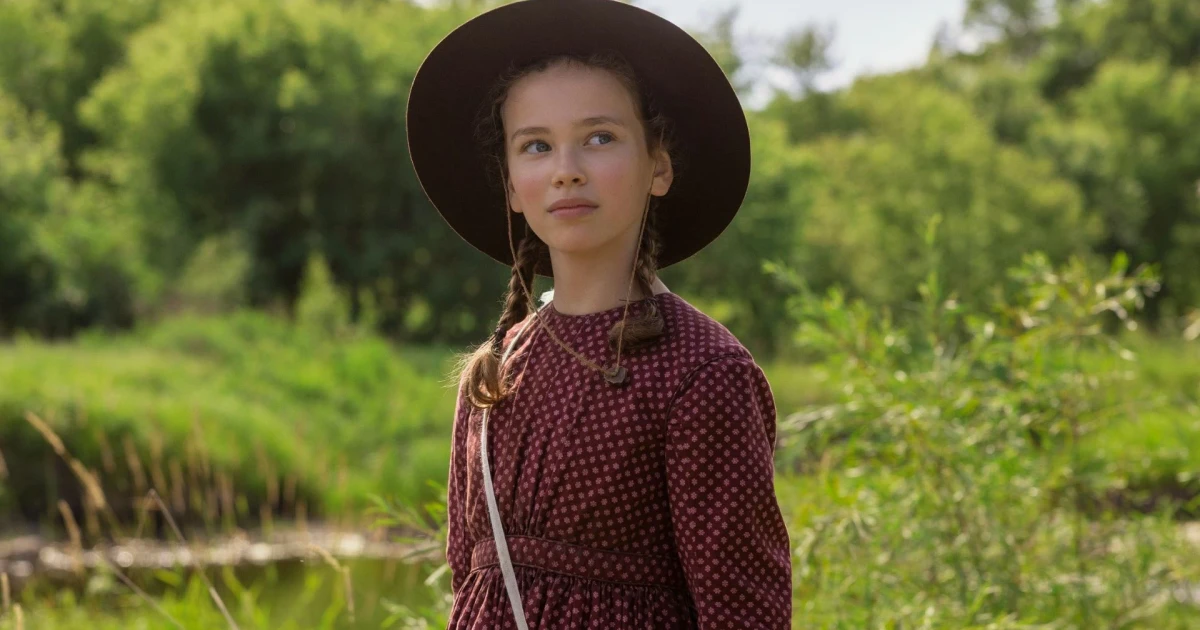
Netflix’s new eight-episode Little House on the Prairie adaptation already has a second season ordered. Metacritic gives season 1 a 67 from 28 critic reviews while Netflix places it beside comfort staples like Virgin River, Sweet Magnolias, Ransom Canyon, Gilmore Girls, This Is Us and Sullivan’s Crossing.
The franchise’s emotional reach extends well beyond the screen. Poet Joseph Massey wrote about the original series after years of estrangement from his family and said it helped him reconnect seven years ago, turning the Ingalls story into a route back toward forgiveness as much as a memory of childhood television.
Why the prairie still travels
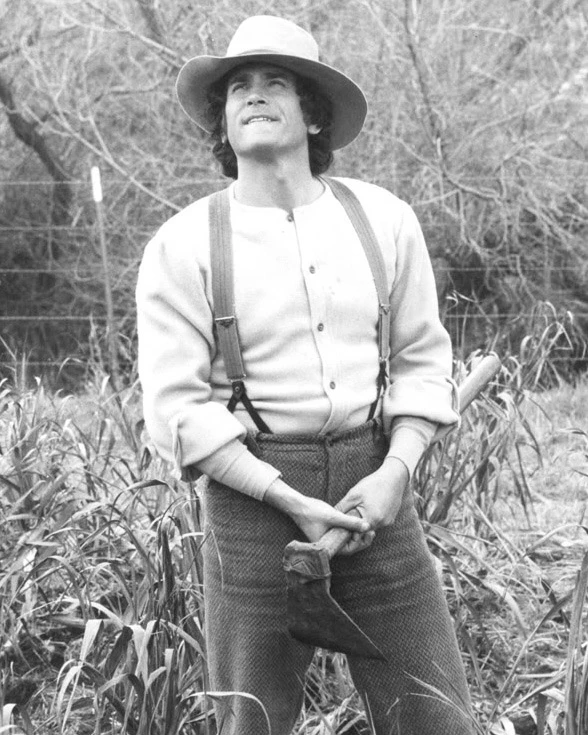
The staying power starts with the source material’s scale and familiarity. Laura Ingalls Wilder’s books became NBC’s Little House on the Prairie, which ran for nine seasons from 1974 to 1983 and centered the Ingalls family on a farm near Walnut Grove, Minnesota. Michael Landon co-created that series and played Charles Ingalls, while Melissa Gilbert became Laura, giving the franchise a family-first identity that still defines it today.
Netflix’s version keeps that core intact while reframing the material for a fractured streaming market. Showrunner Rebecca Sonnenshine calls it a hopeful family drama, an epic survival tale and an origin story of the American West, and Netflix called its early renewal a response to demand for “warm, emotionally grounded storytelling” that viewers can “cozy up with and relax.”
How the remake modernizes the frontier
The new adaptation does not simply polish the old story; it moves some of the franchise’s blind spots into view. In the opening stretch, the Ingalls family encounters Dr. George Tann, played by Jocko Sims, after barely making it across a river, and Caroline Ingalls is injured as the family tries to make it to Independence, Kansas. The show also introduces the Osage Nation and makes the politics of land ownership and treaties part of the family’s journey, which gives the frontier setting a harder edge than the old television version ever did.
One of the new series’ key moves is to let Charles begin to understand the land claims and power structures around him, while Laura builds a friendship with an Osage girl and the family’s interactions with an Osage patriarch carry mutual respect.
The cameo strategy is doing real work
The reboot also uses familiar faces as a bridge between generations. Alison Arngrim, forever associated with Nellie Oleson in the original NBC series, appears in episode 2 as Ida, a drifter in the woods. Megan Follows appears in episode 4 as Laura’s grandmother, and Martin Donovan plays Mr. Ingalls. Those guest turns work less like gimmicks than like signals to longtime viewers that the franchise’s memory has not been erased, even as the new cast carries the story forward.
The response so far suggests that the audience Little House is finding now is looking for reassurance without total innocence. Rotten Tomatoes’ season page calls the series one that “dusts off the 70s” and enters a new era of conscious adaptation, while individual reviews praise its warm, wholesome moments, tender heart and family drama even when they note the newer version is more revisionist or less gentle than the original.