US News
Little-known anti-terror court hears first case in 30 years
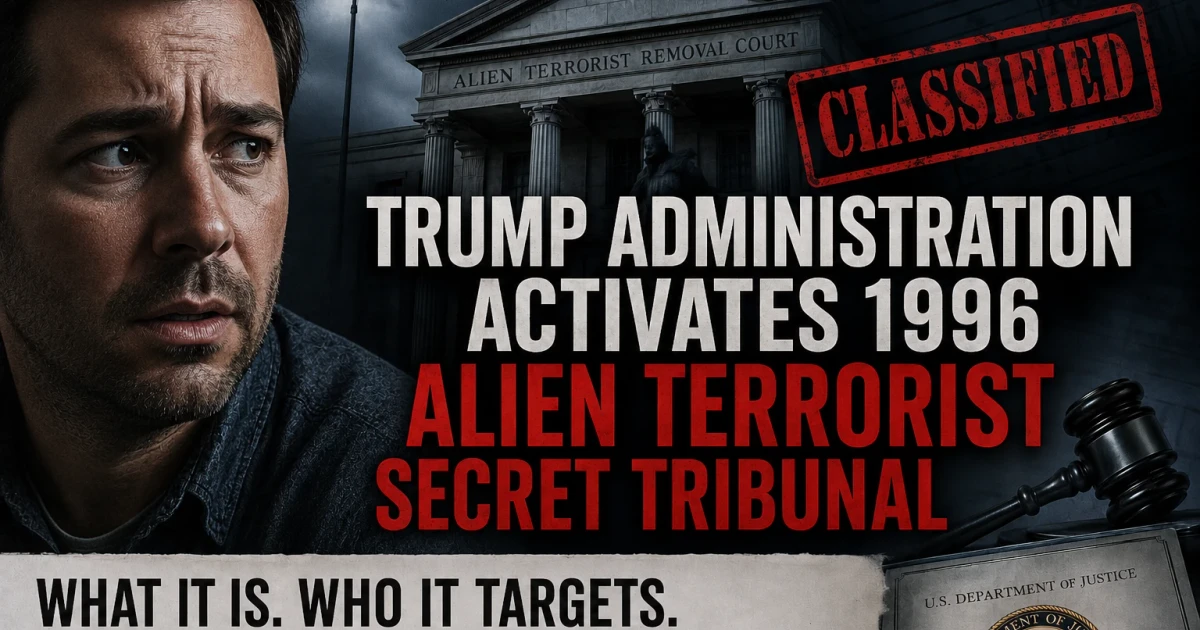
The Alien Terrorist Removal Court heard its first case in 30 years last week, bringing back a secretive tribunal Congress created in 1996 for a narrow terrorism-removal function. The revival turns a long-dormant mechanism into a live test of how far the executive branch can go when it says classified evidence supports removing an alien terrorist.
The court sits inside Title 8’s alien terrorist removal procedures, where the attorney general may seek removal when classified information indicates a person is an alien terrorist. That makes it different from a criminal prosecution, which is about charging and punishing a defendant in open court, and from routine immigration court, where ordinary removal cases are handled without this specialized national-security forum. Proceedings before the removal court are civil in nature, even though the allegations are tied to terrorism.
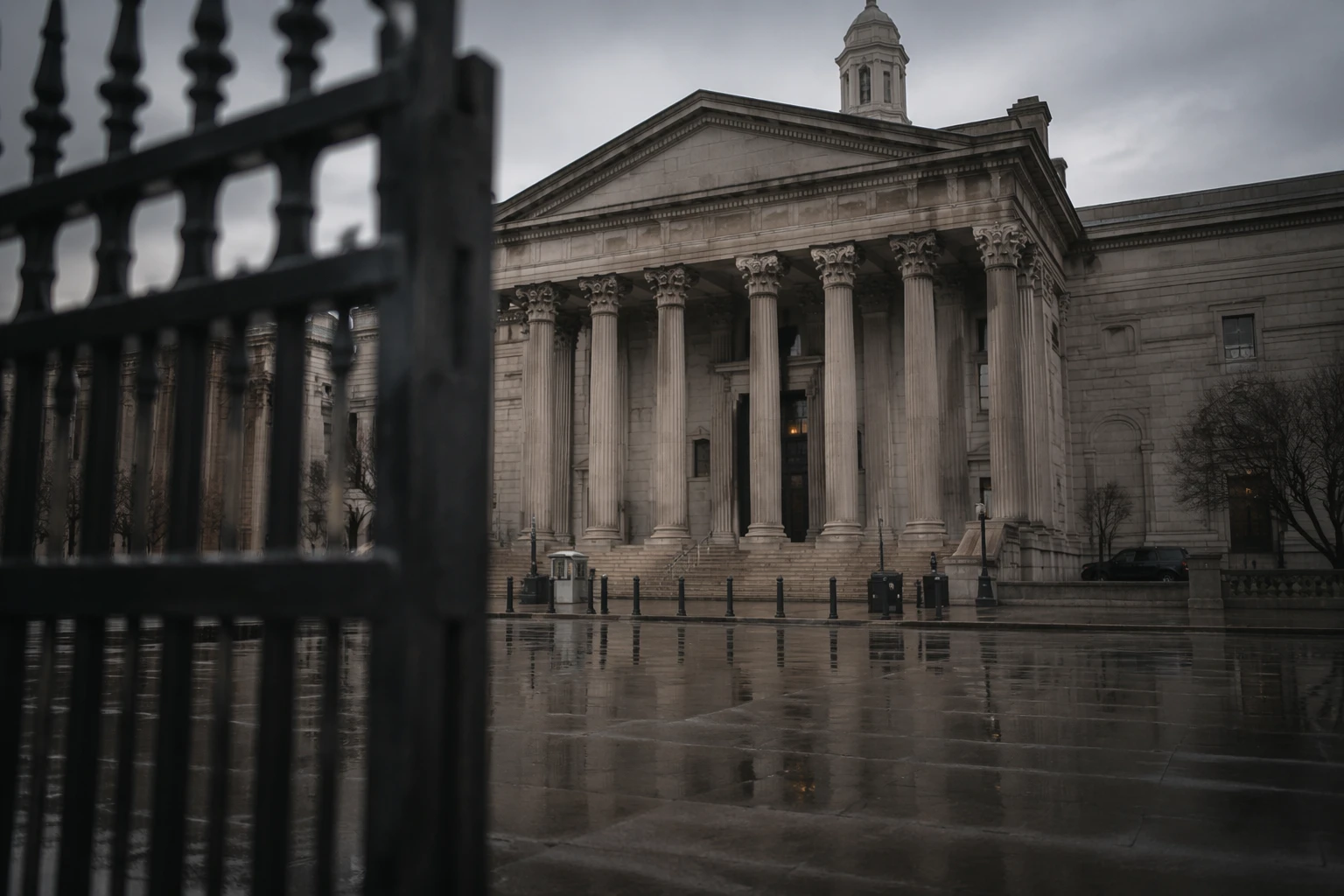
The first known use of the court came as the Trump administration moved to use it against an Afghan woman accused of supporting an Islamic State-inspired plot in the United States. Search results describing the case said she was the first person facing deportation through the administration’s use of the obscure tribunal, underscoring how a court built for exceptional circumstances has now been pulled into an active terrorism-removal fight.
That development has drawn attention because the Alien Terrorist Removal Court has been described as both a zombie court and a secretive one, dormant for roughly three decades before this hearing. The legal significance is not only that the tribunal was revived, but that the government chose this path instead of a conventional indictment or standard immigration proceeding. The move puts classified information, executive discretion and the limits of due process at the center of the case.

The available record does not identify the defendant, the exact hearing date or the procedural posture beyond the fact that the court finally convened. Even so, the case marks the first time the tribunal’s narrow terrorism-removal authority has been used in practice, making its next steps a closely watched measure of whether the court remains a one-off procedural revival or becomes a precedent for more secretive national-security removals.
Sources
- [1]nytimes.com
- [2]x.com
- [3]linkedin.com
- [4]wftv.com
- [5]counterterrorism.police.uk