World
Lockerbie bombing: new doubts deepen over Pan Am 103 case
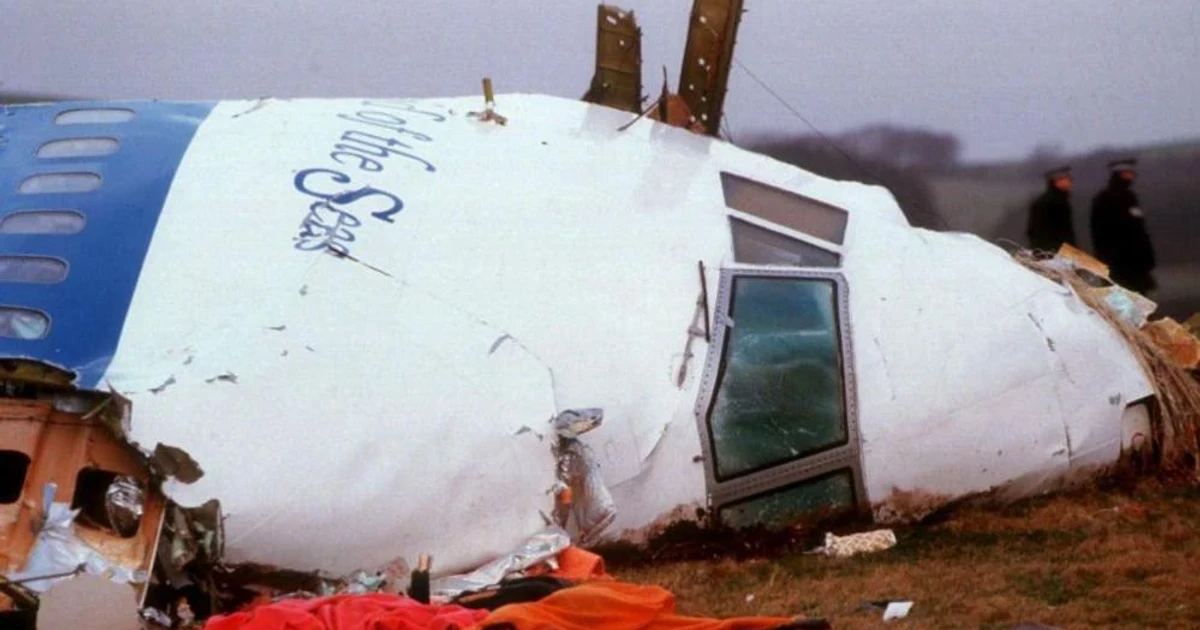
Pan Am Flight 103 was torn apart over Lockerbie, Scotland, killing 270 people and leaving a legal battle that never fully satisfied the families or the record. Abdelbaset al-Megrahi was convicted in 2001, Al Amin Khalifa Fhimah was acquitted, but witness doubts, a posthumous appeal and years of scrutiny kept the case unsettled. The question now is not just who was blamed, but whether the conviction closed the story or only froze one version of it.
The night the Boeing 747 fell apart
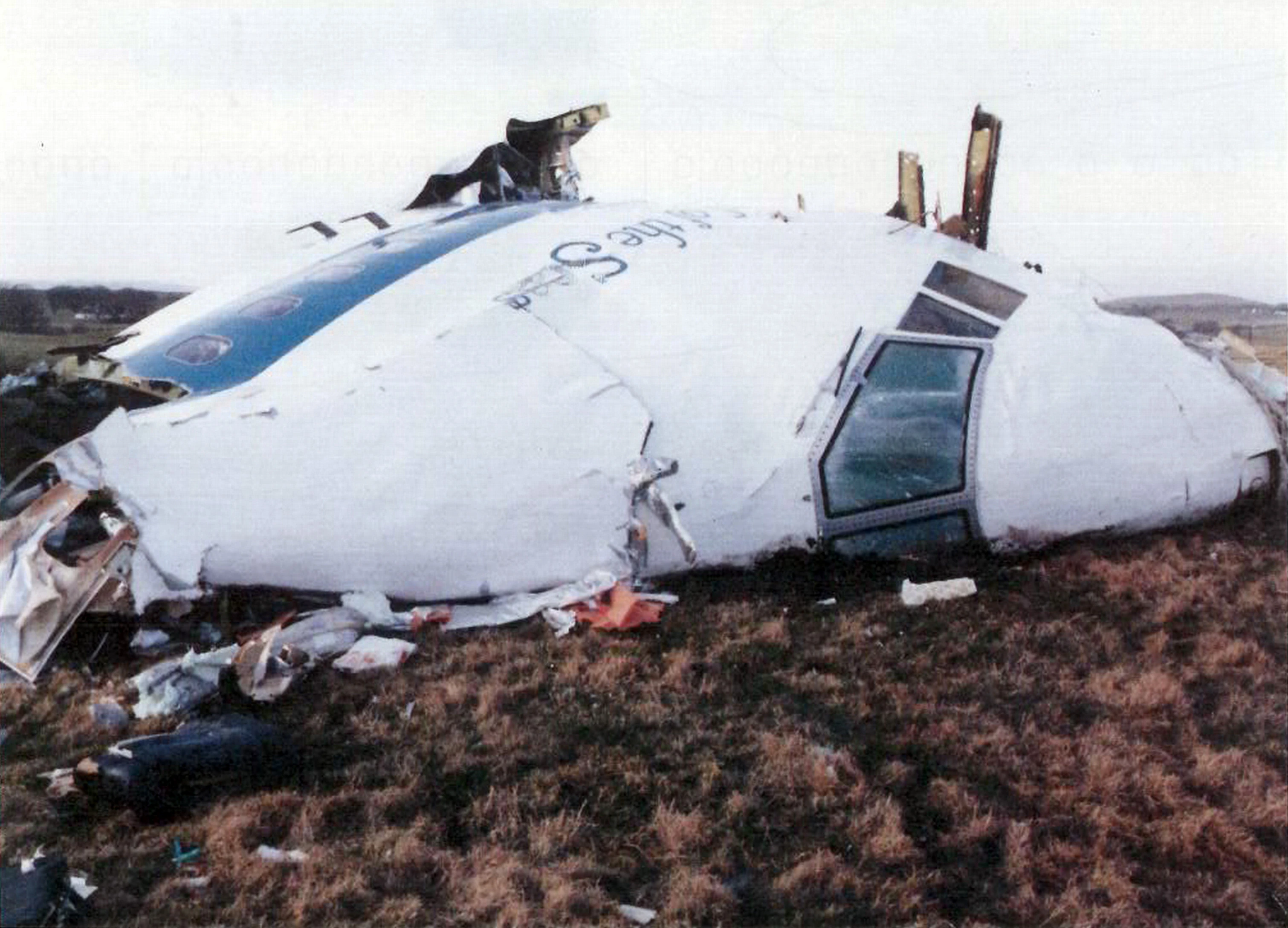
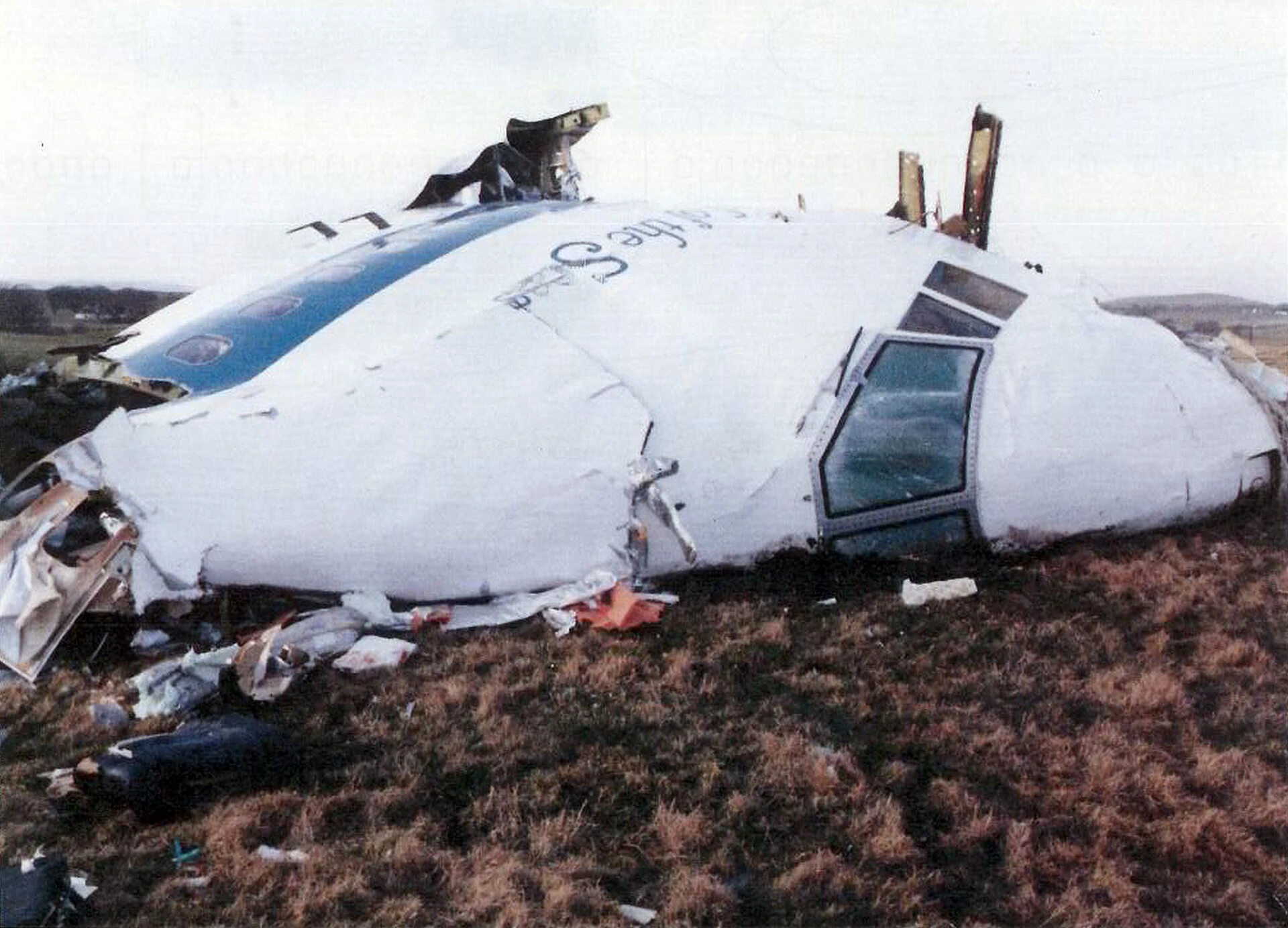
The aircraft was a Boeing 747 flying from London Heathrow to New York City when a bomb destroyed it on December 21, 1988. Syracuse University Libraries’ archive places the breakup at about 6:25 p.m. local time, while Syracuse University remembrance material says the explosion occurred at 7:03 p.m. GMT, when the plane was at 31,000 feet. The wreckage spread across Lockerbie and the surrounding area, turning 845 square miles into a vast crime scene.
The human toll was immediate and global. Of the 270 people killed, 259 were aboard the plane and 11 were residents on the ground. The victims came from 21 countries, ranged in age from 2 months to 82 years old, and more than half were under 30. The dead included 190 Americans, and official and archival sources continue to describe the bombing as the deadliest terrorist attack in U.K. history.
How the verdict became the official answer
The trial that followed was unusually complex, lasting more than eight months before the Scottish court sitting in the Netherlands reached its decision on January 31, 2001. Abdelbaset al-Megrahi was found guilty of murder in the Pan Am 103 case, while Al Amin Khalifa Fhimah was found not guilty. The U.S. Department of Justice marked the ruling as the legal result of a long and hard-fought case, and BBC material later noted that Megrahi was the only man ever convicted in connection with the bombing.
That verdict mattered because it gave governments, investigators and many families a formal answer after years of international inquiry. It also created a burden that has never gone away: once a major terrorism case is declared solved, every later doubt has to fight its way back into view against the authority of a court judgment. In Lockerbie, that tension has defined the case ever since.
The evidence that kept drawing fire
The strongest public challenge to the conviction centered on the reliability of the main prosecution witness. In 2007, the Guardian reported that lawyers for Megrahi had found a new witness who cast doubt on that testimony, and that development revived criticism of how the case had been built. The significance was not just legal; it went to the core of whether the conviction rested on evidence sturdy enough to survive decades of review.
That unease persisted because the bombing had already generated a uniquely tangled evidentiary picture. The attack was international in scope, the crime scene sprawled over a huge area, and the case sat at the intersection of aviation debris, intelligence claims, witness credibility and political pressure. When the central witness became vulnerable, the wider story of certainty around the verdict became harder to defend.
The background to the bombing also helped keep suspicion alive. The Victims of Pan Am Flight 103 timeline notes an alleged bomb threat received by the U.S. Embassy in Finland on December 5, 1988, part of the atmosphere of warnings that surrounded the disaster. Even without resolving guilt, that broader context helped fix Lockerbie in public memory as a case where warning signs, intelligence and tragedy were never easy to separate.
Appeals kept the case open long after the trial
Megrahi died in 2012, but the challenge to his conviction did not end with his death. His family pursued a posthumous appeal, and in January 2021 Scottish judges refused it. BBC reporting described that filing as the family’s third appeal attempt, and the Court of Criminal Appeal upheld the original verdict.
That refusal mattered because it preserved the conviction in law while leaving the dispute alive in public discussion. For families who have spent decades tracking the case, it confirmed that formal process had run its course without resolving the deeper controversy over how the verdict was reached. In a historic terror case, the difference between a judgment and closure can be enormous.
Why Lockerbie still shapes memory and trust
The bombing never became only a courtroom case. The victims are memorialized at the Lockerbie Garden of Remembrance, and families erected a cairn there in 1995 as a permanent marker of loss. Victims of Pan Am Flight 103 and the Pan Am 103 Lockerbie Legacy Foundation have kept the event tied to remembrance, aviation security and the search for justice, ensuring that the disaster remains part of civic life as well as legal history.
Federal agencies have also continued to treat the case as more than a closed chapter. In 2020, the FBI referenced new charges in the Pan Am Flight 103 bombing, and Justice Department material described a Pan Am Flight 103 terrorist suspect in custody for the 1988 attack over Lockerbie. A 2023 FBI podcast marked 35 years since the bombing, a reminder that the case still carries institutional and emotional weight decades after the explosion.
That long afterlife is why Lockerbie still matters to public trust. The conviction of Megrahi and the acquittal of Fhimah remain the official legal outcome, but the disputed witness testimony, later appeal failures and continuing memorial work show how hard it is for historic terrorism prosecutions to end in a single, uncontested truth.
Sources
- [1]bbc.co.uk
- [2]remembrance.syr.edu
- [3]library.syracuse.edu
- [4]fbi.gov
- [5]justice.gov
- [6]asil.org
- [7]bbc.com
- [8]theguardian.com
- [9]pa103ll.org