Technology
Logitech's Harmony remote changed home theater control for years
Harmony worked because it attacked a problem everyone recognizes: too many devices, too many inputs, too many remotes. Logitech turned that simple idea into a defining home-theater product, then watched it run into the same fragmentation that still shapes smart TVs, streamers, receivers, and connected gear.
Why Harmony stood out
The original Harmony line was created in 2001 by Easy Zapper, later renamed Intrigue Technologies, and first sold in November 2001. Its appeal was not novelty for its own sake, but control that felt organized instead of improvised. By the time Logitech took over, Harmony had already become closely associated with the idea that one remote could manage a messy entertainment stack.
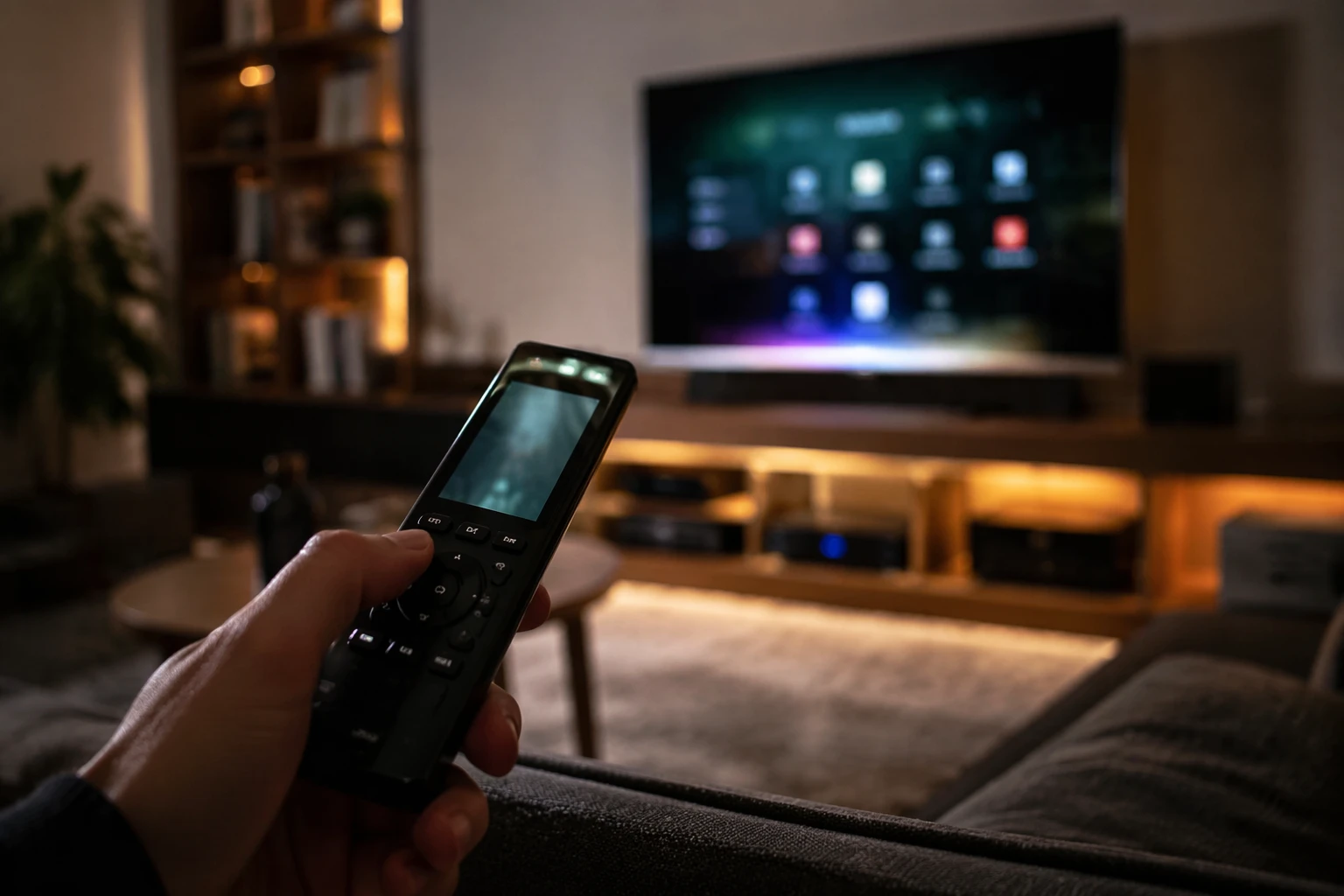
That mattered because the modern living room was already drifting toward complexity. A television, receiver, disc player, cable box, streaming device, and eventually smart-home hardware all wanted separate commands, separate inputs, and separate setup routines. Harmony’s pitch was that the user should think in terms of activities, not devices.
How Logitech turned it into a platform
Logitech acquired Intrigue Technologies in May 2004 for $29 million in cash, plus a possible performance-based payment. The company said the deal would add $10 million to $20 million in sales in the current fiscal year and fit its push into the digital living room. That was not just a product purchase, but a bet that advanced remote controls could become a profitable category beyond fiscal 2005.
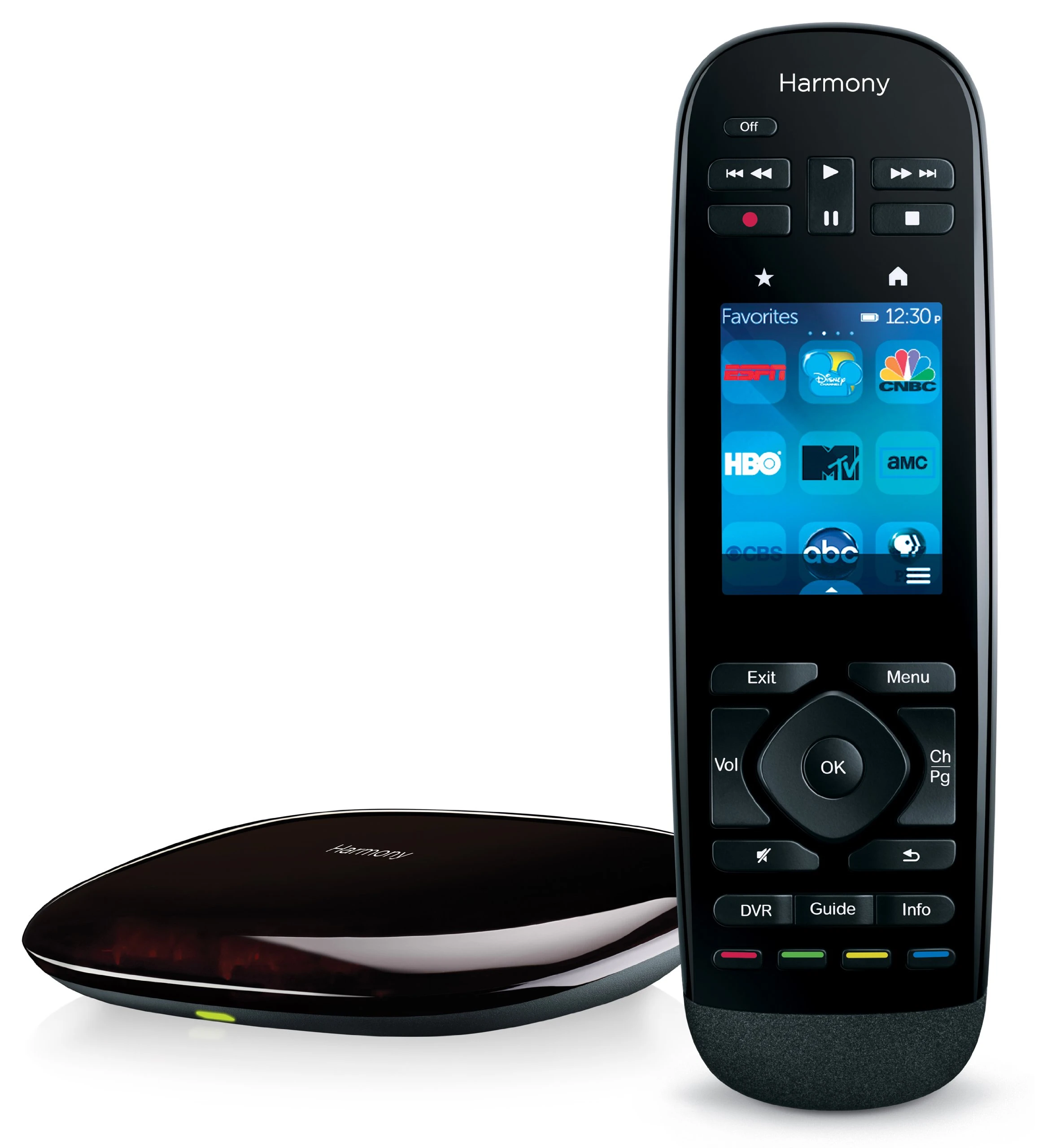
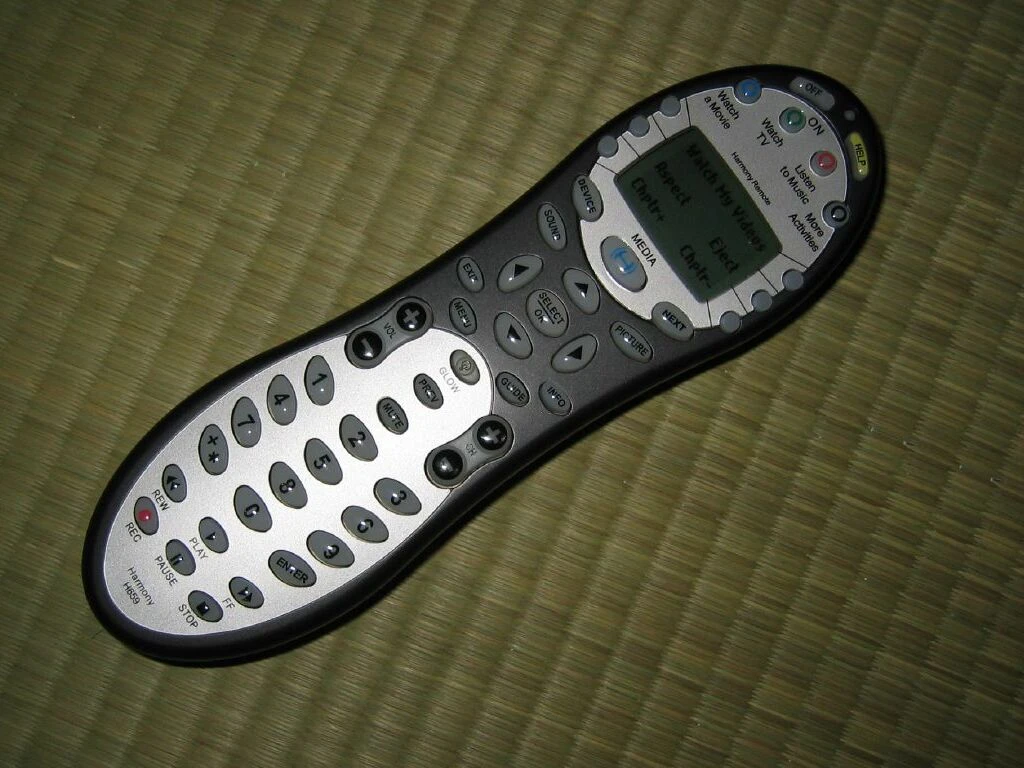
Logitech then integrated the business and kept expanding the line. One of Harmony’s most important advances was activity-based one-touch control, which could turn on the right devices and select the right inputs for a task such as watching a DVD. Logitech later added the Harmony Touch in 2012, a premium advanced universal remote with a color touchscreen, extending the line’s promise of simplifying a whole room with a single interface.
The company also deepened the technology stack around the product. In November 2004, Logitech and Universal Electronics Inc. announced a business relationship that licensed UEI technologies for the Harmony line. That kind of licensing reflected the practical reality of universal remotes: success depended not only on industrial design, but on the ability to communicate across a wide range of devices and protocols.
The real problem Harmony exposed
Harmony became popular because it handled a world that never fully stopped changing. Logitech said the remotes could control hundreds of thousands of devices from thousands of brands, and that scale is exactly where the promise of universal control starts to collide with the market’s incentives. Every new TV platform, streaming box, receiver feature, and smart-home gadget adds one more layer of compatibility work.
That is the deeper reason the universal remote problem remains unsolved. Consumers want a single controller that hides the clutter, but manufacturers keep building systems that pull users back into their own apps, menus, and bundled ecosystems. The result is product sprawl on one side and constant adaptation on the other, with universal-remote makers forced to chase a moving target.
In that sense, Harmony was never just a remote. It was a test of whether the consumer-tech industry could make interoperability feel effortless even as the industry itself kept fragmenting. The answer, over time, was no, because the business incentives run against simplicity: each brand benefits from keeping some control over its own hardware and software layer, even when that creates a worse experience at the center of the home.
The long fade after the peak
Logitech stopped manufacturing Harmony remotes in 2021, but the line did not vanish overnight. The company later discontinued support for older Harmony models in 2025, marking the end of active maintenance for a product family that had once defined advanced home control. Even so, Logitech has continued to describe some Harmony products as award-winning and has kept support pages online for legacy devices.
That afterlife matters because it shows how deeply the line was embedded in home entertainment culture. Logitech was still marketing premium versions such as Harmony Pro by the time the business was winding down, which underscores how long the company tried to keep the category alive. The brand remained useful as a reference point for what a premium universal remote could do, even after the market moved on.
The story also reaches beyond hardware nostalgia. Logitech’s move from acquisition to integration to eventual withdrawal tracks the life cycle of many consumer-tech categories: a promising fix arrives, the ecosystem gets more complicated, and the fix becomes harder to sustain. Harmony did not fail because the idea was bad. It ran into a market that kept making the job more difficult.
What Harmony says about the smart-home market
Harmony’s rise and fall says as much about the modern smart-home market as it does about Logitech. A universal controller only works when the rest of the ecosystem cooperates, and the ecosystem has never really been built around cooperation. TVs, receivers, streaming boxes, and connected devices keep changing faster than any single remote can gracefully absorb.
That leaves consumers with a familiar choice: live with multiple remotes and separate apps, or buy into another layer of hardware that tries to organize the chaos. Harmony was the rare product that made the second option feel elegant for years. Its disappearance shows why interoperability remains one of consumer tech’s most talked-about promises and one of its least reliably delivered realities.
Sources
- [1]theverge.com
- [2]ir.logitech.com
- [3]support.logi.com
- [4]logitech.com