Entertainment
London’s Dark Underworld Exposed in ‘London Falling’
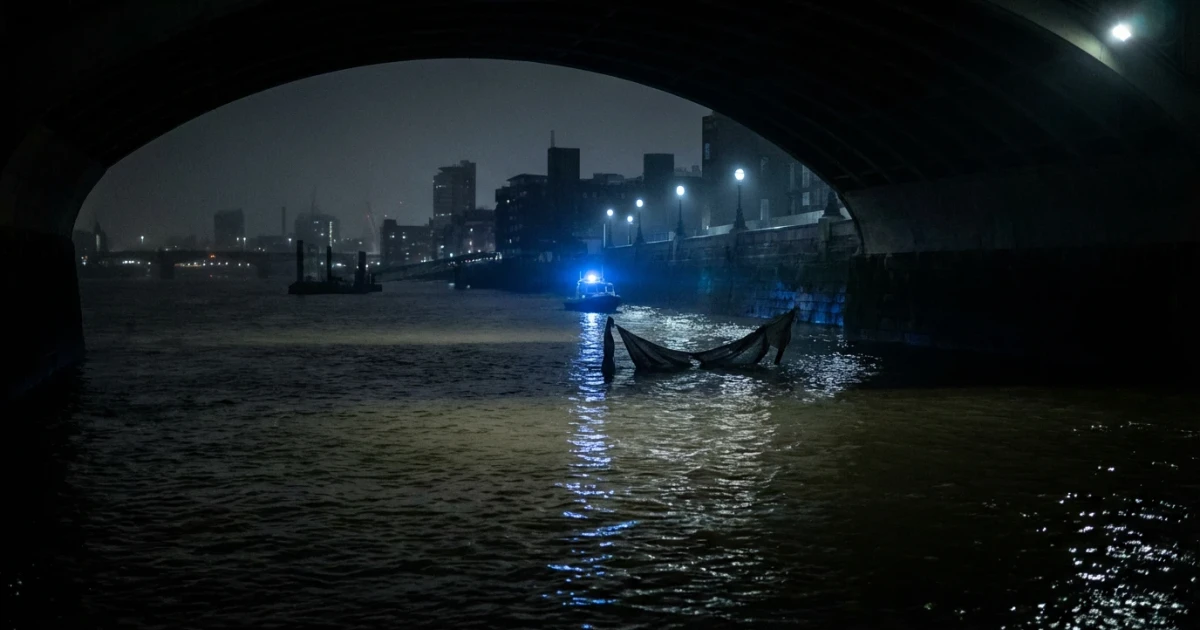
London’s criminal underworld takes center stage in the newly released ‘London Falling,’ a narrative that interweaves the tale of a teenage imposter, an aging gangster, and the chilling discovery of a body in the Thames. Adapted from Patrick Radden Keefe’s account of Zac Brettler, the story delves deep into the city’s legacy of organized crime and deception, as highlighted by NPR’s coverage.
The Unlikely Trio: Imposter, Gangster, and Victim
The narrative focuses on three interconnected figures. At its heart is a teenager who successfully impersonates a key player in the city’s criminal circuits, exploiting the cracks in London’s age-old system of underworld networking. The story is further complicated by the involvement of an aging gangster, whose influence and past deeds continue to shape the city’s illicit operations. The intrigue peaks with the discovery of a body in the Thames, a finding that both police and the criminal community interpret as a signal of shifting allegiances and rising tensions.
London’s Enduring Gang Culture
- The Thames, long a dumping ground for the city’s darkest secrets, continues to play a symbolic and literal role in crime stories. Historical records from the Thames River Police reveal numerous cases where bodies found in the river marked the beginning of major criminal investigations.
- Contemporary statistics from the London Serious Violence Dashboard show that violent crime, including gang-related homicides, remains a pressing issue for authorities, especially in boroughs bordering the Thames.
- Analysis by the National Crime Agency underscores the persistence of organized criminal networks in the city, many of which operate with a code of silence that makes prosecutions difficult.
Impersonation and Deception in Modern Crime
Central to ‘London Falling’ is the motif of imposture—a teenager’s penetration of the criminal world not through violence, but through wit and the assumption of a false identity. This element reflects a modern twist on London’s crime lore, where digital manipulation and social engineering now rival physical force in determining criminal outcomes.
The Body in the Thames: A Catalyst for Investigation
The discovery of a body in the Thames has historically signified more than just a crime—it often marks a turning point in gang hierarchies and police focus. The Home Office’s annual homicide reports show that river-related deaths are frequently linked to organized crime, with investigations often complicated by the clandestine nature of these networks.
Broader Implications for London
‘London Falling’ sheds light on the evolving tactics of both criminals and law enforcement in the city. While the old guard of gangsters relies on legacy connections and intimidation, a new generation leverages technology and psychological manipulation. Police responses, as seen in the Metropolitan Police Service’s official data, are increasingly data-driven, targeting hotspots and patterns rather than individuals alone.
Looking Forward
As the story unfolds, it prompts renewed discussion about the future of organized crime in London and the challenges facing those who seek to contain it. The intersection of tradition and innovation—embodied by the teenage imposter and the veteran gangster—suggests that the city’s battle with its underworld is far from over. For readers and residents alike, ‘London Falling’ offers a stark reminder that beneath the surface of one of the world’s great cities, old shadows linger, and new threats continue to emerge.