Business
Long Island Rail Road Strike Halts Commuter Travel
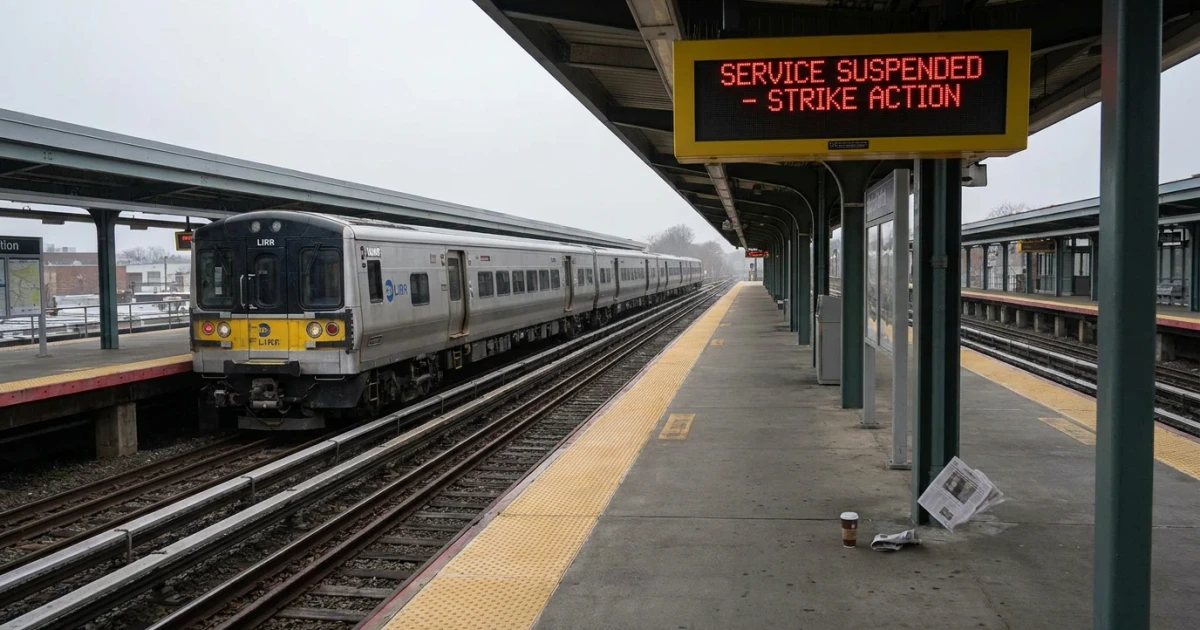
Long Island commuters faced major disruption on Thursday as workers of the Long Island Rail Road (LIRR) launched a strike, effectively shutting down the busiest passenger rail service in the United States. According to The New York Times, the stoppage has left tens of thousands of daily riders stranded, prompting emergency responses from transit officials and drawing attention to broader labor and transit challenges in the region.
Impact on Commuters and Transit Operations
The LIRR typically carries over 200,000 passengers each weekday, making it a critical artery for travel between Long Island and New York City. With service halted, commuters scrambled for alternatives, crowding buses, ride-share platforms, and highways, which saw increased congestion and delays. Data from the MTA LIRR Annual Ridership Report 2022 underscores the scale of disruption, highlighting the rail's central role in regional mobility.
- LIRR is the busiest commuter rail system in the U.S., with nation-leading ridership figures.
- New York City’s Penn Station, a primary terminal, saw near-empty platforms during the morning rush.
- Local officials urged riders to seek alternative routes and warned of extended delays.
Labor Dispute and Strike Background
The strike was triggered by a breakdown in contract negotiations between LIRR management and union leaders representing conductors, engineers, and maintenance workers. The New York Times noted that union demands center on wage increases, improved benefits, and job security, while the Metropolitan Transportation Authority (MTA) cited budget constraints and rising operating costs. The dispute falls under the Railway Labor Act regulations, which govern labor relations for rail carriers.
- LIRR unions represent a significant portion of the workforce, reflecting broader union membership trends in transportation.
- Previous LIRR strikes have resulted in economic losses and major commuter headaches, according to historical analysis.
Official Response and Contingency Measures
Transit officials, city leaders, and the MTA quickly outlined contingency plans. Expanded bus service, increased ferry routes, and coordinated ride-sharing efforts were deployed to mitigate the effects. However, these measures only partially alleviated the disruption, as the sheer volume of displaced commuters overwhelmed alternative systems.
The New York Times described the scene at Penn Station as "a nightmare" for those trying to reach work, with some commuters waiting hours for available buses. Emergency meetings between union leaders and MTA executives are ongoing, but no immediate resolution appears likely. Financial data from the MTA LIRR Financial Statements underscores the pressures facing both sides, as fare revenue and operating costs continue to rise.
Broader Implications for Transit and Labor
The strike highlights longstanding challenges in balancing labor demands with the financial realities of public transit. Experts note that the outcome could set precedents for labor negotiations at other U.S. rail and transit agencies. With the LIRR carrying such a large share of New York’s commuter population, the disruption also raises questions about the resiliency and adaptability of the region’s transportation infrastructure.
Key Stats and Links for Further Context
- Official transit statistics show LIRR's dominant role nationally.
- Real-time service performance metrics reveal the extent of current delays and cancellations.
- Historical strikes have caused ripple effects across the region’s economy and transit networks.
Looking Ahead
Negotiations between LIRR unions and the MTA are expected to continue in the coming days, with both sides under pressure to resolve the dispute and restore service. Commuters, businesses, and government leaders alike are watching closely, as the strike's impact underscores the importance of reliable transit and the delicate balance between labor interests and operational realities.