Health
Looksmaxxing trend fuels young men’s growing appearance anxiety
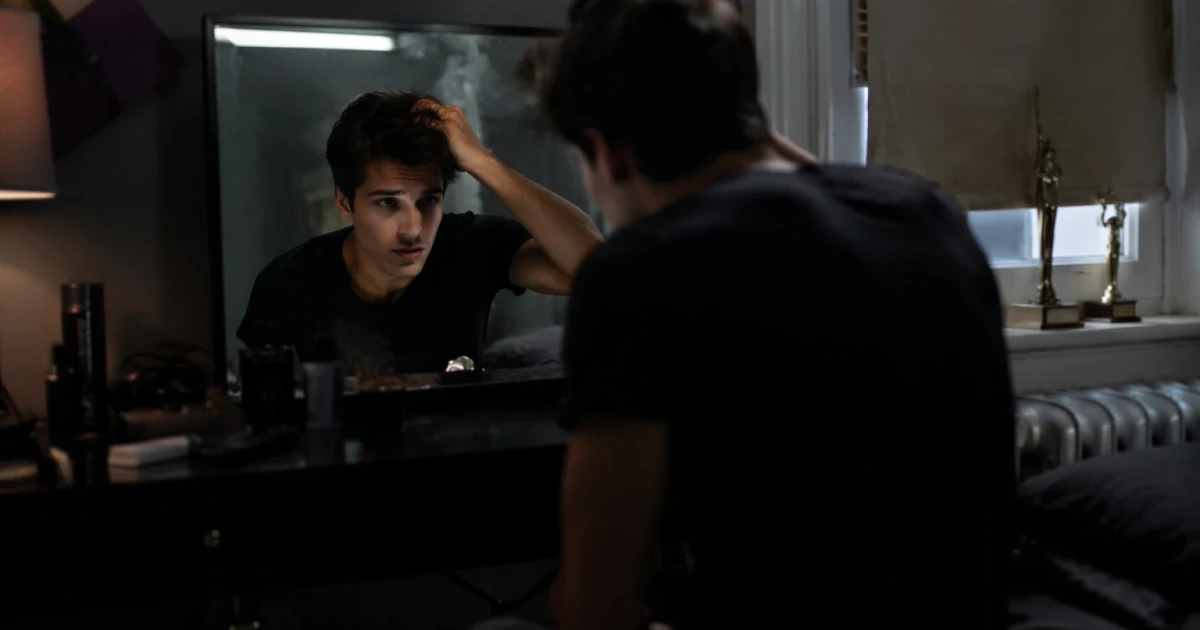
Looksmaxxing has gone viral on social media, especially among young men and boys, by selling a route to the ideal face and body through skincare, grooming, fitness routines, posture, lighting tricks, filters and, in some cases, cosmetic procedures or surgery. The language makes appearance work sound disciplined and practical, but it can harden into obsessive comparison and self-rejection.
The term emerged in online incel spaces and now travels with adjacent slang such as softmaxxing and hardmaxxing. Its appeal rests on a metric-based view of attractiveness, one that reduces beauty to ratios, symmetry and highly specific standards. The trend is especially visible on TikTok, where clips reward constant self-assessment and visual comparison.
Peer-reviewed research has found an association between social media use and body dysmorphic symptoms in young people. Body dysmorphic disorder is a psychiatric condition marked by a persistent preoccupation with perceived appearance flaws. Safety behaviors now extend into digital life, including checking, adjusting and comparing appearance online, habits that can keep the cycle of dissatisfaction going.
Boys and young men have had fewer socially accepted spaces to talk about appearance anxiety than women historically have had. That gap leaves room for looksmaxxing to present itself as self-improvement while pulling users deeper into endless scrutiny. For some, the search for confidence becomes a steady feed of product pitches, status comparisons and cosmetic fixes.