Technology
L’Oréal Expands AI Commerce Investment in South Asia and MENA
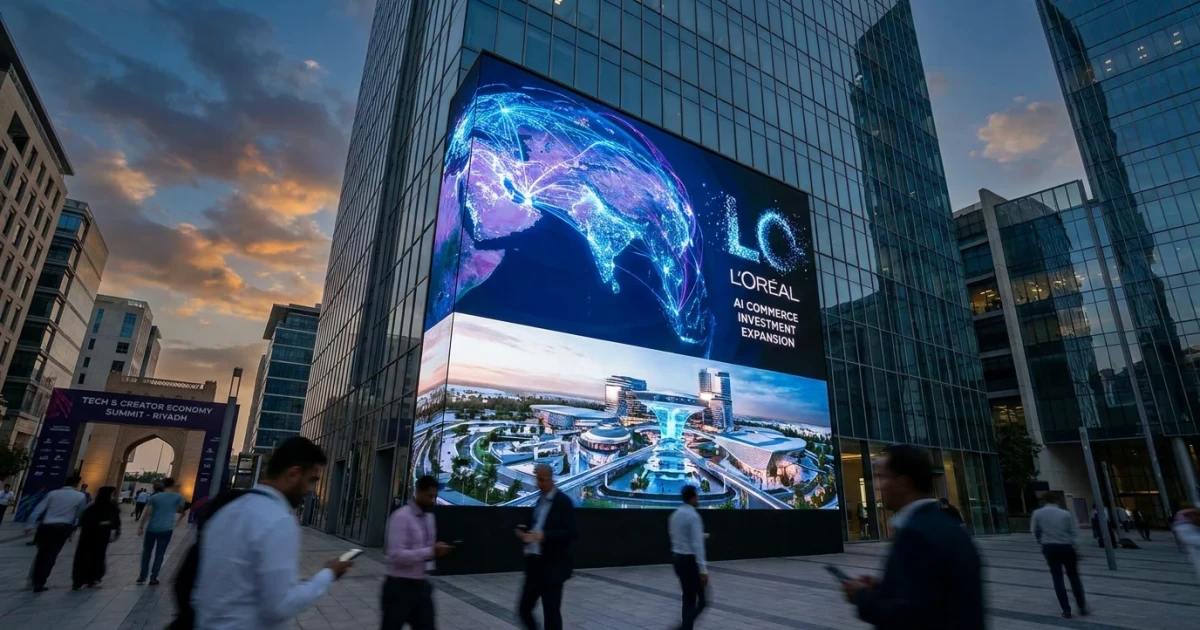
L’Oréal is deepening its commitment to AI-powered commerce and the creator economy by investing in a new wave of technology startups from South Asia Pacific, the Middle East, and North Africa. The company’s latest initiative aims to harness regional innovation and accelerate digital transformation in beauty retail and marketing, according to announcements from both Nation Thailand and PR Newswire.
Strategic Focus on AI and the Creator Economy
The investments focus on startups developing advanced AI-powered commerce solutions, including recommendation engines, personalized shopping experiences, and content creation tools. L’Oréal’s approach reflects a broader industry trend of integrating artificial intelligence to enhance consumer engagement and streamline online sales channels. By targeting markets in South Asia Pacific and the MENA region, L’Oréal is positioning itself at the forefront of digital transformation in fast-growing e-commerce sectors.
- The e-commerce market in Southeast Asia alone is projected to exceed $230 billion by 2026, highlighting the region’s rapid digital adoption.
- Startups are leveraging technologies such as Shopify’s API and open-source creator platforms to power new shopping and content experiences.
- L’Oréal’s investment strategy also aligns with the rise of creator economy platforms, which help influencers and independent creators monetize their audiences through e-commerce integrations.
Why South Asia Pacific and MENA?
Both Nation Thailand and PR Newswire emphasized L’Oréal’s focus on emerging markets with significant youth populations and high social media engagement. These regions are hotbeds of digital innovation, with entrepreneurs building solutions tailored to local consumer habits and payment ecosystems. By investing early, L’Oréal aims to foster long-term partnerships and gain first-mover advantages in markets where online shopping and influencer marketing are rapidly expanding.
According to industry data, the MENA region has seen a surge in digital commerce, driven by mobile-first consumers and increasing internet penetration. Similarly, South Asia Pacific is home to some of the world’s fastest-growing economies and a vibrant tech startup scene. These factors make the regions attractive for multinational brands seeking to pilot new technologies and business models.
Implications for Beauty Retail and Beyond
L’Oréal’s investments are expected to drive innovation in:
- Personalized product recommendations using AI-driven engines, similar to those described in the AI-Based Commerce Recommendation System patent.
- Influencer-driven sales channels, enabling creators to launch and manage branded e-commerce stores with integrated analytics and fulfillment tools.
- AI-powered content creation for marketing campaigns, leveraging generative AI to produce tailored videos, images, and interactive experiences.
While L’Oréal has not disclosed the size or structure of its investments, both articles indicate a focus on partnership and co-development rather than simple financial backing. This model allows L’Oréal to stay close to technological breakthroughs and ensure alignment with its sustainability and ethical AI commitments.
Regulatory and Competitive Landscape
The expansion into AI-powered commerce comes at a time when global regulators are increasing scrutiny of digital platforms and algorithms. The EU Digital Markets Act has set new standards for transparency and fairness in online marketplaces, which could influence how AI systems are deployed by both startups and established brands. L’Oréal’s proactive engagement with startups may help it navigate evolving compliance requirements while maintaining consumer trust.
Looking Ahead
L’Oréal’s latest investments signal its intent to remain a leader in digital beauty retail and the creator economy. By tapping into the innovation ecosystems of South Asia Pacific and MENA, the company is well-positioned to shape the future of AI-driven commerce for both brands and creators. As competition intensifies and regulatory frameworks evolve, partnerships between legacy brands and agile startups will likely define the next phase of e-commerce innovation.