Sports
Lord's women’s Test exposes scheduling crisis in cricket's longest format
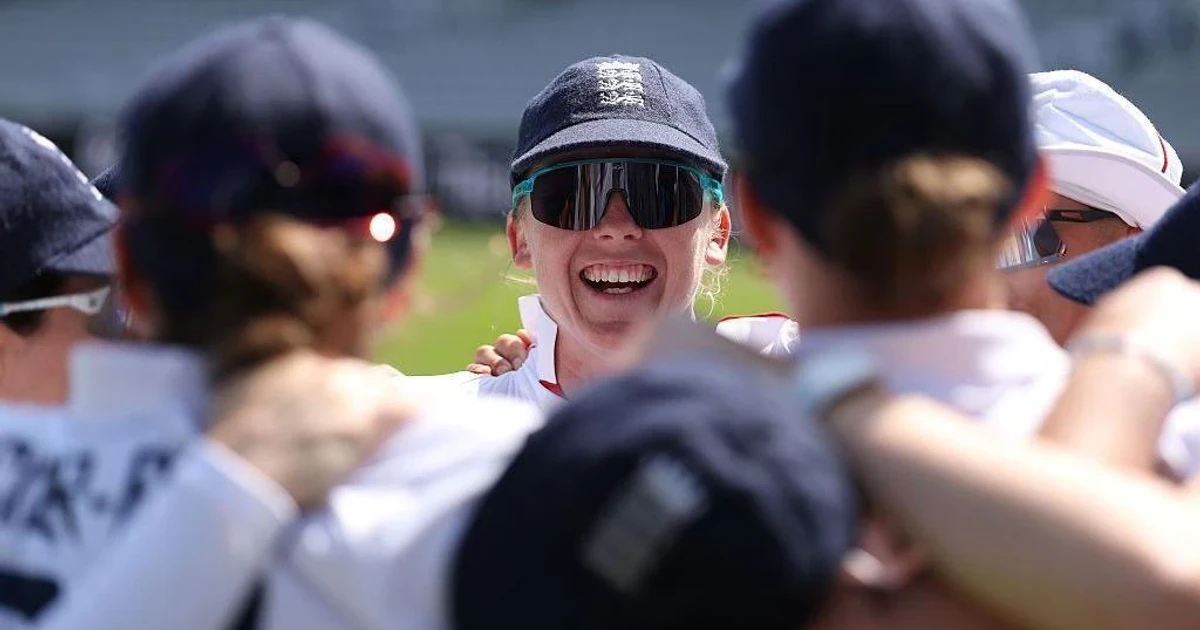
Lord’s staged its first women’s Test across July 10-13, 2026, 142 years after hosting its first men’s Test. England and India produced a landmark match, but it arrived squeezed between the Women’s T20 World Cup and The Hundred, with England short on red-ball preparation and the broader conversation shaped as much by Brendon McCullum’s sacking as by the cricket itself.
A historic venue finally opens its doors
It also took 50 years after its first women’s international, the one-day match England won against Australia on August 4, 1976, for red-ball women’s cricket to arrive at the ground.
The venue’s first women’s Test was ceremonial as well as competitive: more than 50 former England players from the amateur era rang the bell at the start. Lord’s is the headquarters of Marylebone Cricket Club and remains cricket’s most visible stage in England.
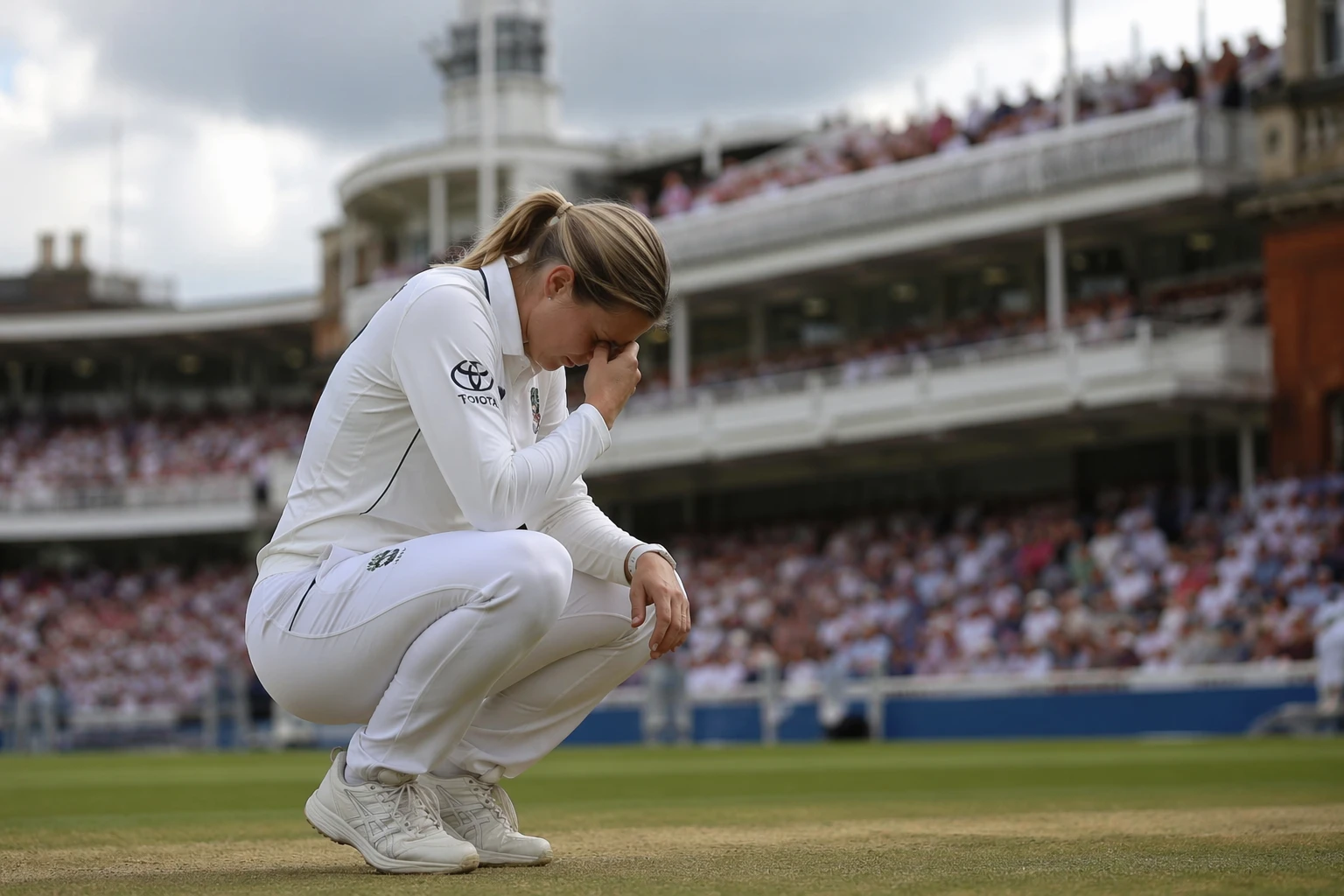
The schedule worked against the format
The biggest issue was not the quality of the contest, but the slot in which it was placed. The Test came immediately after a major T20 tournament and before The Hundred, leaving little room for a five-day or four-day red-ball event to breathe in a crowded summer. England had only two or three days to train with the red ball after the T20 World Cup, a preparation window that would look thin for any Test side and looks especially punishing for a team trying to build continuity in a format it rarely plays.
Women’s Tests have long struggled to gain traction as standalone events. Since the Ashes adopted a points system in 2013, most women’s Tests have been folded into multi-format series, which gives them a competitive framework and some broadcast logic. Isolated one-offs, by contrast, can feel like a ceremonial add-on rather than a central part of the calendar, no matter how important the venue or opposition.
What the scoreline revealed about preparation
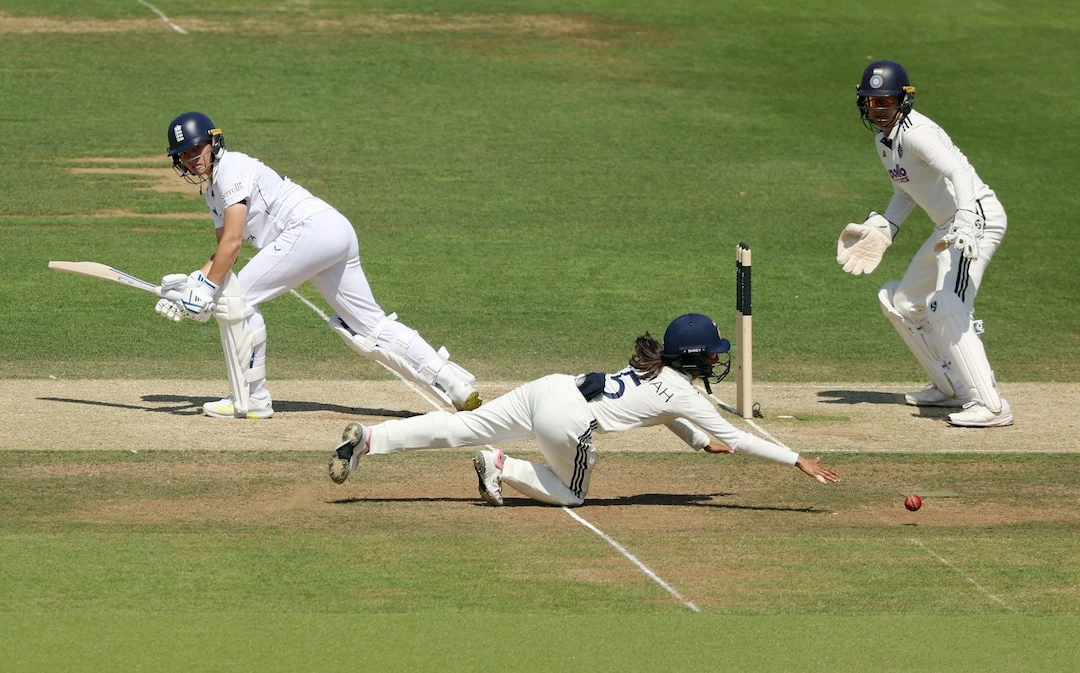
India beat England by 270 runs after England, chasing 457, were bowled out for 186. The result mattered less than what it showed about the mismatch between demand for the occasion and the conditions used to stage it. England’s squad was missing key players because the recent T20 World Cup had dominated selection and preparation, and the side never had the sort of long, uninterrupted build-up that men’s Test cricket still takes for granted.
Charlotte Edwards, England’s head coach, pointed directly at that problem after the match. She said women’s Tests need more exposure to red-ball cricket and suggested they may need to sit inside multi-series or bilateral series instead of being isolated fixtures. Without regular red-ball minutes, fielding positions, bowling workloads and batting rhythms all have to be relearned in compressed time.
The crowd showed appetite, but not enough on its own
There was real demand for the occasion. The four days drew a record crowd for a women’s Test of 37,846, a figure that should weaken the old assumption that long-form women’s cricket cannot attract interest. The attendance also reflected the pull of Lord’s itself, where the first women’s Test carried the weight of a long overdue milestone, and the crowd treated it as a moment rather than a routine date in the season.
Yet a record crowd does not solve a scheduling problem. A one-off attendance spike cannot substitute for the broadcast visibility, marketing continuity and calendar certainty that let audiences follow a format over time.
Why administrators keep running into the same problem
Amol Muzumdar, India’s coach, captured the absurdity of the moment when he said it “boggles my mind” that Lord’s had never hosted a women’s Test before.
Administrators face a simple choice if the format is meant to have a future. They can keep staging women’s Tests as rare add-ons, slotted around T20 leagues and broadcast priorities that favor quicker turnover, or they can build them into a serious long-form structure with proper lead-in time, bilateral series and enough frequency to make the format legible to players and fans. Charlotte Edwards called for more red-ball exposure and for women’s Tests to sit inside multi-series or bilateral series; Muzumdar said it “boggles my mind” that Lord’s had never hosted a women’s Test before.
Sources
- [1]bbc.co.uk
- [2]sports.yahoo.com
- [3]bbc.com
- [4]aljazeera.com
- [5]telegraph.co.uk
- [6]skysports.com
- [7]sportstar.thehindu.com
- [8]reuters.com