Science
Louis E. Brus, Nobel Laureate Who Illuminated the Nanoworld, Dies at 82
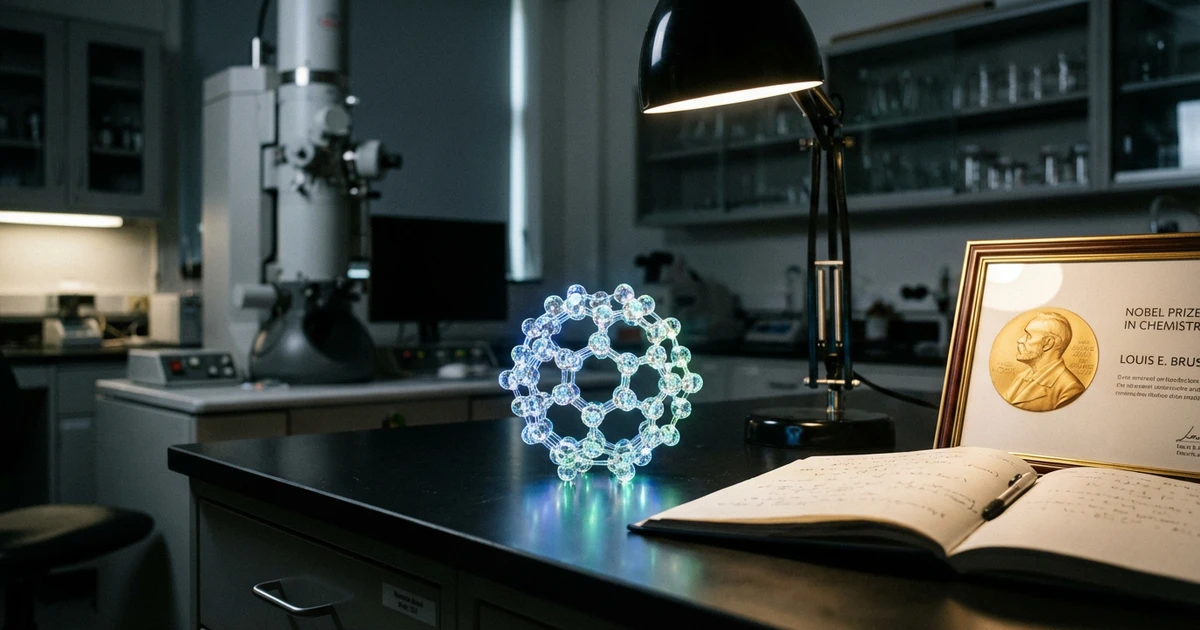
Louis E. Brus, a pioneering scientist whose discoveries transformed the field of nanoscience, died at the age of 82. Brus, who was awarded the Nobel Prize in Chemistry, is remembered for his groundbreaking work that revealed new dimensions of the microscopic world and paved the way for advances in technology, medicine, and materials science.
Revolutionizing the Nanoworld
Brus’s most notable achievement was his research on quantum dots, tiny semiconductor crystals whose behavior is governed by the laws of quantum mechanics. His work illuminated how these particles could be engineered to emit specific colors of light, a discovery that has since become foundational for a wide array of applications, including high-resolution displays, medical imaging, and solar energy conversion.
- Quantum dots are now used in advanced television screens, offering richer colors and improved energy efficiency.
- In medicine, these nanoparticles enhance imaging techniques, allowing for more precise diagnostics at the cellular level.
- Brus’s insights have contributed to innovations in renewable energy, particularly in the design of next-generation solar cells.
Nobel Recognition and Lasting Impact
In recognition of his transformative contributions, Brus was awarded the Nobel Prize in Chemistry, joining the ranks of scientists whose fundamental discoveries have changed the course of human knowledge. His work not only advanced scientific understanding but also inspired a new generation of researchers to explore the possibilities of the nanoworld.
Legacy in Science and Beyond
Brus’s legacy is reflected in the broad influence his research continues to exert across multiple disciplines. By unveiling the unique properties of matter at the nanoscale, he opened doors to innovations that have improved technology and quality of life worldwide. His passing marks the end of an era, but his discoveries remain at the heart of ongoing scientific progress.
Looking Forward
As the scientific community mourns the loss of a visionary, Brus’s achievements serve as a reminder of the profound impact that curiosity-driven research can have. The continued exploration of nanoscience, inspired by Brus's trailblazing efforts, promises to yield new breakthroughs that will shape the future for generations to come.
Sources
- [1]nytimes.com