Business
Louisiana farmers struggle as war drives fuel and fertilizer costs higher

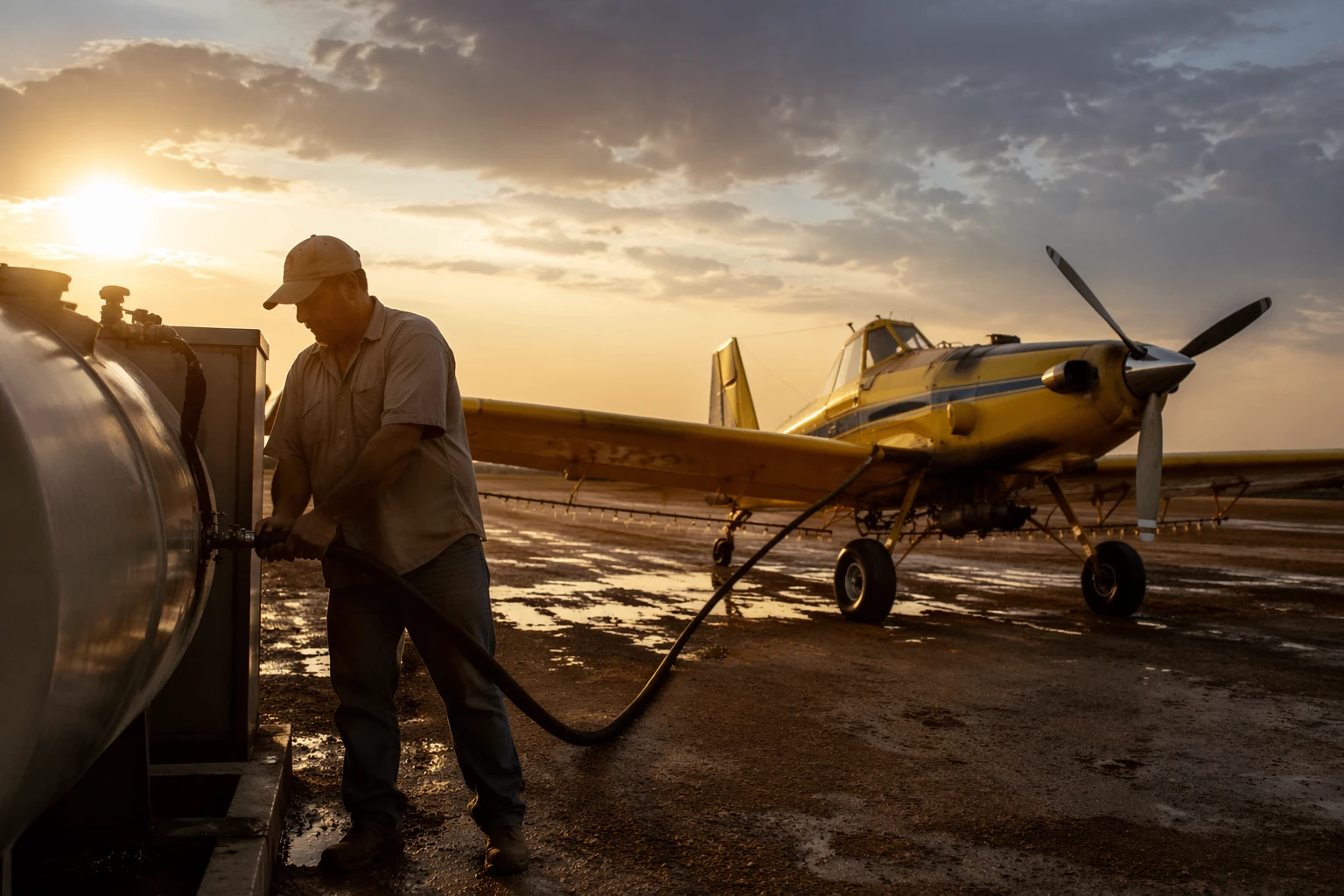
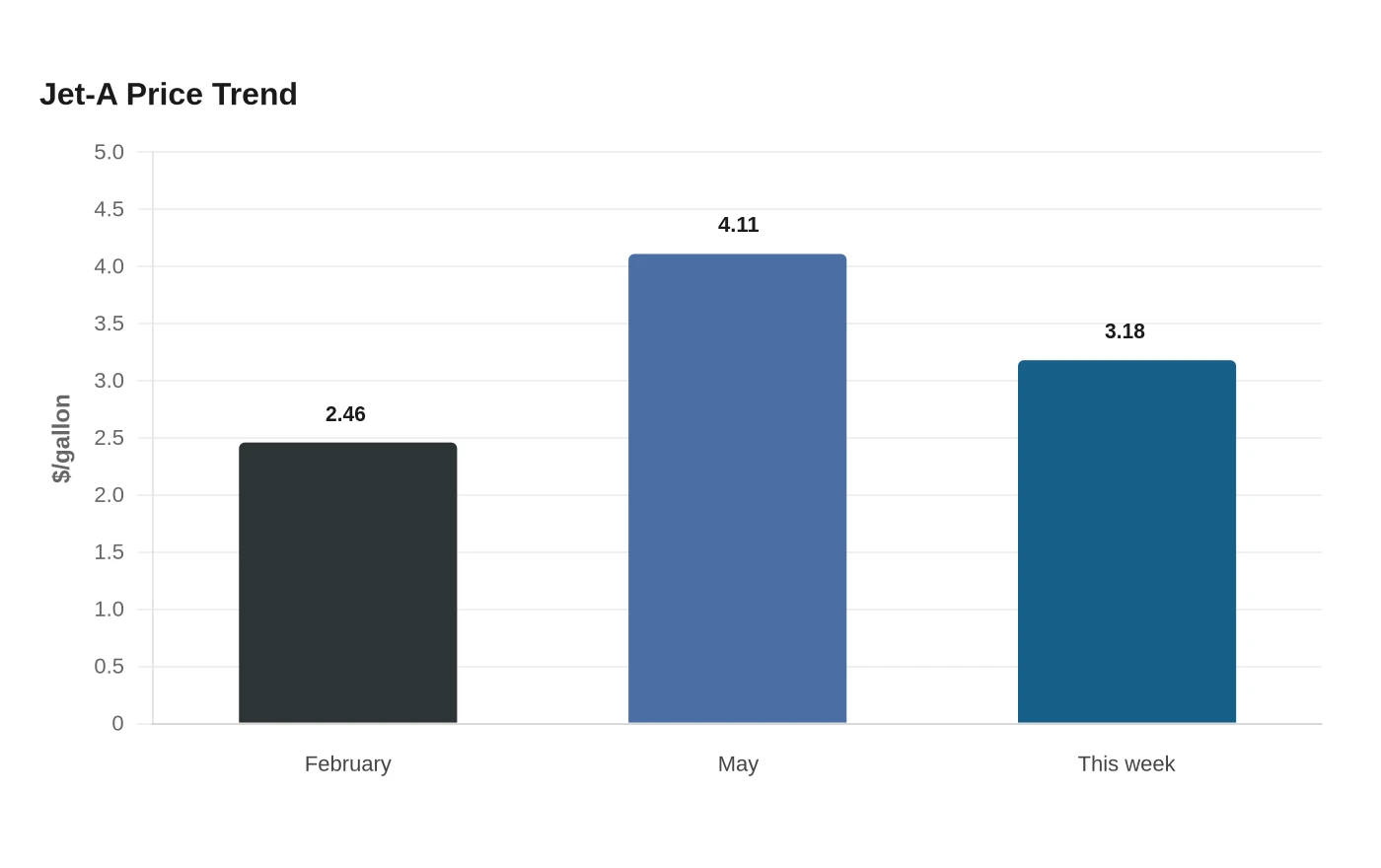
In northeast Louisiana, Reed Keahey’s Jet-A climbed from $2.46 a gallon in February to a peak of $4.11 in May, then eased to $3.18 this week. At 7,500 gallons a fill, the peak price turned a single top-off into a bill of a little more than $30,000.
Keahey has been absorbing some of that shock so farm customers do not feel it immediately, and Louisiana agriculture has almost no room for error. Higher aviation fuel costs are filtering straight into the work of planting and protecting crops, raising the cost of the services farmers rely on before a seed ever reaches the ground.
David and Theresa Guererro’s corn needs urea, a nitrogen fertilizer tied to global shipping through the Strait of Hormuz, and the war has already drained their fertilizer budget. They are overbudget on urea by about $120,000 to $130,000. David Guererro called the farm “close” to the edge when asked whether it could survive the higher costs.
Iowa farmer Lance Lillibridge said the conflict hit at the worst time for spring planting, with ammonia up about 20%, urea up about 50% and diesel up 43.5%. His costs had already risen 25% from the previous year.
Scott Marlow, a former USDA Farm Service Agency deputy administrator, said the war affects every step of food production, from seed to grocery store shelf, and that the consequences will land on both producers and consumers. CoBank estimates fuel and fertilizer prices have risen 20% to 40% since the conflict began and that the diesel increase alone could add about $2,000 in fuel costs per farmer.
Farmers often secure their summer fuel before buying for fall, leaving little chance for normal seasonal relief if the war drags on. USDA had projected only a 3% year-over-year increase in major commodity production costs in 2026 before the conflict pushed costs higher. CoBank estimates roughly 25% of American farmers had not yet secured fertilizer for spring as of late March, a setup that can force late buyers into higher prices or no bids at all.
Sources
- [1]cbsnews.com
- [2]cobank.com