Health
Louisiana warns beachgoers about flesh-eating Vibrio bacteria risk
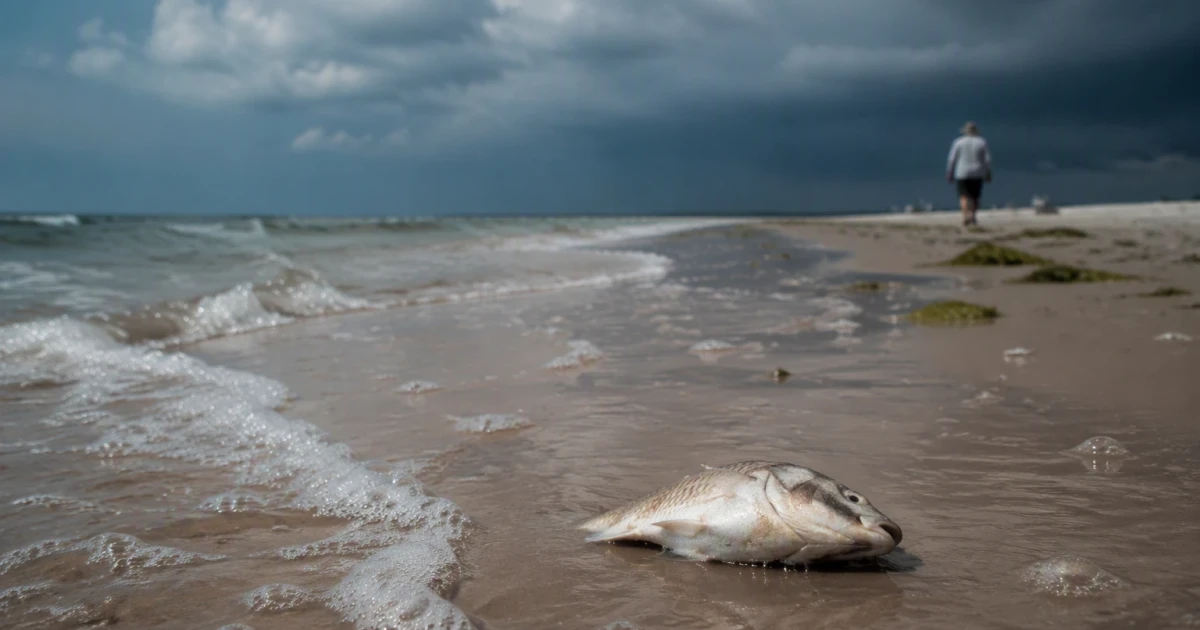
Louisiana health officials warned beachgoers about Vibrio vulnificus after the state recorded at least nine infections in 2026, all of them requiring hospitalization, and five deaths. The cases were linked to seawater-exposed wounds, a pattern that put swimmers, fishermen and shellfish handlers on alert during peak summer beach season.
The bacteria thrive naturally in warm coastal and brackish water, especially where fresh water meets saltwater, and the greatest danger falls on people with cuts, scrapes or recent surgical wounds. The Centers for Disease Control and Prevention recommends keeping wounds out of saltwater or brackish water, avoiding raw or undercooked shellfish, and washing exposed cuts with soap and clean running water as soon as possible.
Infections can start when Vibrio enters the body through broken skin or from contaminated seafood. Severe cases can move quickly, causing tissue damage, sepsis and hospitalization. Health officials urged people to watch for redness, swelling, intense pain, fever or blistering, signs that can demand fast treatment. The warning also applies to anyone handling shellfish, since exposure is not limited to swimmers alone.
Warm Gulf water gives Vibrio more time to multiply, and longer warm seasons have stretched the window of risk along the Louisiana coast and other shoreline communities. A CDC Health Alert Network notice in September 2023 linked severe Vibrio vulnificus infections to warming coastal waters, and a March 2023 study in Nature Scientific Reports tied climate warming to increasing Vibrio vulnificus infections in North America. NOAA’s National Centers for Coastal Ocean Science identifies Vibrio vulnificus as the most serious form and says it often requires hospitalization. Most estimated U.S. Vibrio cases each year are caused by Vibrio parahaemolyticus.
Louisiana’s Department of Health posted 2026 Vibrio vulnificus data and guidance and urged precautions after the rise in severe cases.
Sources
- [1]apnews.com
- [2]abcnews.com
- [3]cbsnews.com
- [4]nbcnews.com
- [5]ldh.la.gov
- [6]wafb.com
- [7]cdc.gov
- [8]products.coastalscience.noaa.gov
- [9]nature.com