Business
Lufthansa Slashes Flights as Fuel Costs Surge in Europe
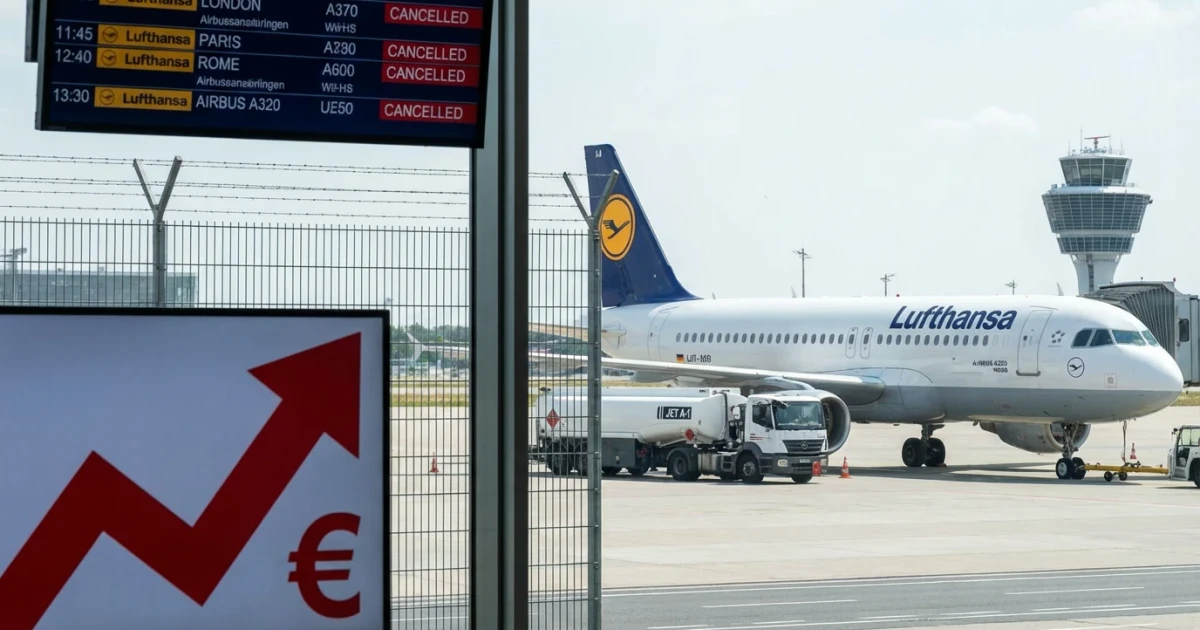
Lufthansa is cutting 20,000 flights from its summer schedule in a bid to contain fuel expenses, as the ongoing Iran war sends oil prices soaring and triggers rising inflation across Europe. The airline’s decision, reported by The New York Times, is one of the most significant capacity reductions by a major carrier this season and highlights the far-reaching impact of energy price shocks on airlines and consumers alike.
Flight Reductions Aim to Offset Soaring Fuel Costs
According to The New York Times, Lufthansa’s 20,000 flight cancellations will affect routes from all six of its primary hubs, including Frankfurt, Munich, and Zurich. The airline cited the surge in jet fuel prices, a direct result of the Iran conflict, as the primary driver behind its decision to reduce capacity. Data from the U.S. Energy Information Administration shows Brent crude prices recently surged above $105 per barrel, their highest level in over two years, causing a sharp spike in operating costs for airlines across Europe.
- 20,000 flights cut from Lufthansa's summer schedule
- All six main hubs affected: Frankfurt, Munich, Zurich, Vienna, Brussels, and Geneva
- Jet fuel prices up more than 30% since the Iran war began
This move marks one of the largest capacity adjustments by a European airline this season. Lufthansa emphasized that it is optimizing its network to "match demand and reduce unnecessary fuel burn," reflecting a strategic shift towards efficiency in the face of unpredictable energy markets. The company’s latest fuel efficiency initiatives now include aggressive flight consolidation and schedule streamlining.
UK Inflation Accelerates as Fuel Prices Hit Consumers
The economic fallout from the Iran war is not limited to airlines. CNBC reported that UK inflation jumped to 3.3% in March, up from 2.9% in February, as surging fuel prices pushed up transportation, food, and household costs. The Office for National Statistics attributed much of the increase to higher petrol and diesel prices, which have risen sharply in tandem with global oil benchmarks since the onset of the conflict.
- UK inflation at 3.3% in March, highest since late 2023
- Transport costs led the surge, with fuel prices up significantly
- Consumers face rising costs for flights, food, and energy
The inflation spike underscores the interconnectedness of global energy markets and domestic price levels. With airlines facing higher costs, many are passing these on to consumers in the form of higher fares. Lufthansa’s reduction in flights, while intended to save fuel, could also limit seat availability and put further upward pressure on ticket prices during the busy summer travel season.
Industry-Wide Response and Broader Implications
Lufthansa’s decision is emblematic of a wider trend. According to data from IATA, European airlines are facing the steepest fuel cost increases since the pandemic. Many carriers are now re-examining schedules, pausing non-essential routes, and seeking further operational efficiencies to weather the volatility.
Meanwhile, air traffic data from EUROCONTROL shows that cancellations and schedule adjustments are rising across the region, with overall capacity growth slowing as airlines grapple with the cost surge. This is compounded by inflationary pressures on consumer goods, leading to broader economic uncertainty and potential impacts on travel demand later in the year.
Looking Ahead
As the Iran war continues to disrupt global oil supply and drive up prices, airlines and consumers alike are bracing for a challenging summer. Lufthansa’s proactive flight cuts are expected to help contain its fuel bill, but travelers may face fewer options and higher fares. Policymakers and industry leaders are watching closely to see whether energy prices stabilize—and whether inflationary pressures ease in the months ahead.