Entertainment
Luis Fonsi recuerda cuando Cristiano Ronaldo cantó Despacito en pleno Mundial
Luis Fonsi is still measuring the life of Despacito by the way it keeps returning in new digital waves, from a World Cup moment in which Cristiano Ronaldo was caught singing it to a recent resurgence that pushed the song back across TikTok and Instagram. In Telemundo’s Vive el Mundial coverage on June 13, 2026, the Puerto Rican singer revisited the clip and summed up the scene with one line: “Cristiano Ronaldo cantando mi canción es brutal.”
That reaction goes to the heart of how global soccer stars extend the commercial and cultural shelf life of Latin pop songs. Despacito was released in its original YouTube version on January 12, 2017, and quickly became a cross-platform phenomenon that outgrew the music charts. Guinness World Records confirmed on April 4, 2018, that it was the first video on YouTube to reach 5 billion views, with 5,001,320,421 views at that point. By 2026, Guinness said the clip had climbed beyond 8.9 billion views and had also become the most-liked music video on YouTube.
The video’s staying power is tied not just to streaming math, but to its geography and imagery. The clip was shot in La Perla, the San Juan neighborhood that later drew attention again when CNN en Español recalled the severe damage it suffered after Hurricane María. That contrast, between a neighborhood known worldwide through pop culture and one marked by devastation, has only deepened the song’s long afterlife. For Fonsi, Daddy Yankee, Zuleyka Rivera, Erika Ender, Andrés Torres and Mauricio Rengifo, Despacito became more than a hit. It became a repeatable cultural asset that can be reactivated whenever another major sports or entertainment moment gives it new oxygen.
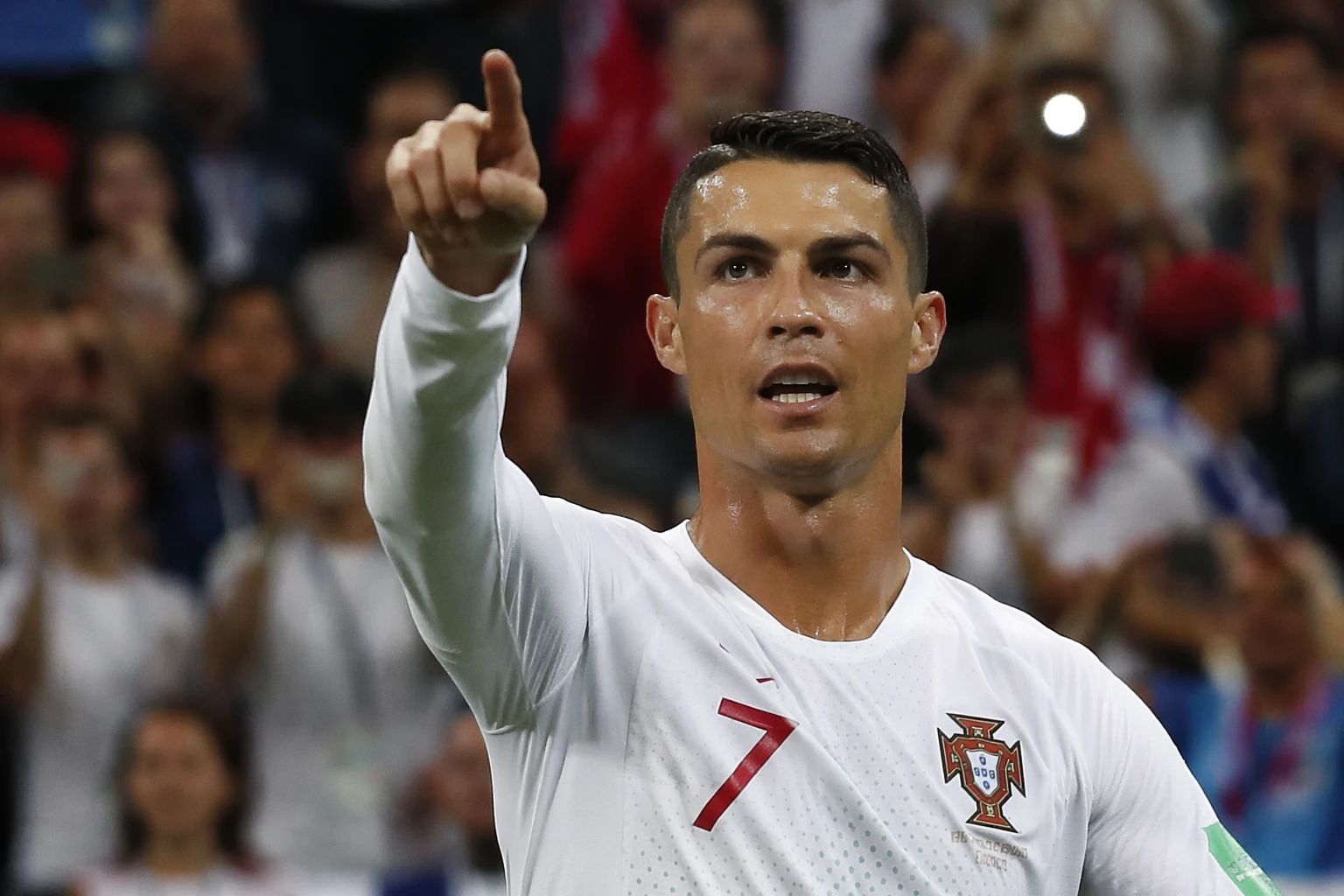
The broader World Cup backdrop makes that revival even more relevant. Shakira and Burna Boy presented Dai Dai, the official song for the 2026 World Cup in Mexico, the United States and Canada, on May 15, 2026, alongside FIFA president Gianni Infantino. Shakira said she would donate 100% of the song’s earnings to FIFA’s Education Fund, which aims to raise $100 million for education and children’s sports. Dai Dai also name-checks Cristiano Ronaldo and Lionel Messi, reinforcing the same pattern that Despacito helped establish: the biggest names in football remain entangled with pop music’s biggest global moments.
What Fonsi’s comments capture is not nostalgia, but circulation. A song released in 2017 can still behave like live content in 2026 when a Ronaldo clip, a TikTok trend, or a World Cup soundtrack sends it back into the feed. In the modern music economy, that kind of afterlife is the real hit.