Science
Lyrid Meteor Shower Lights Up April Skies
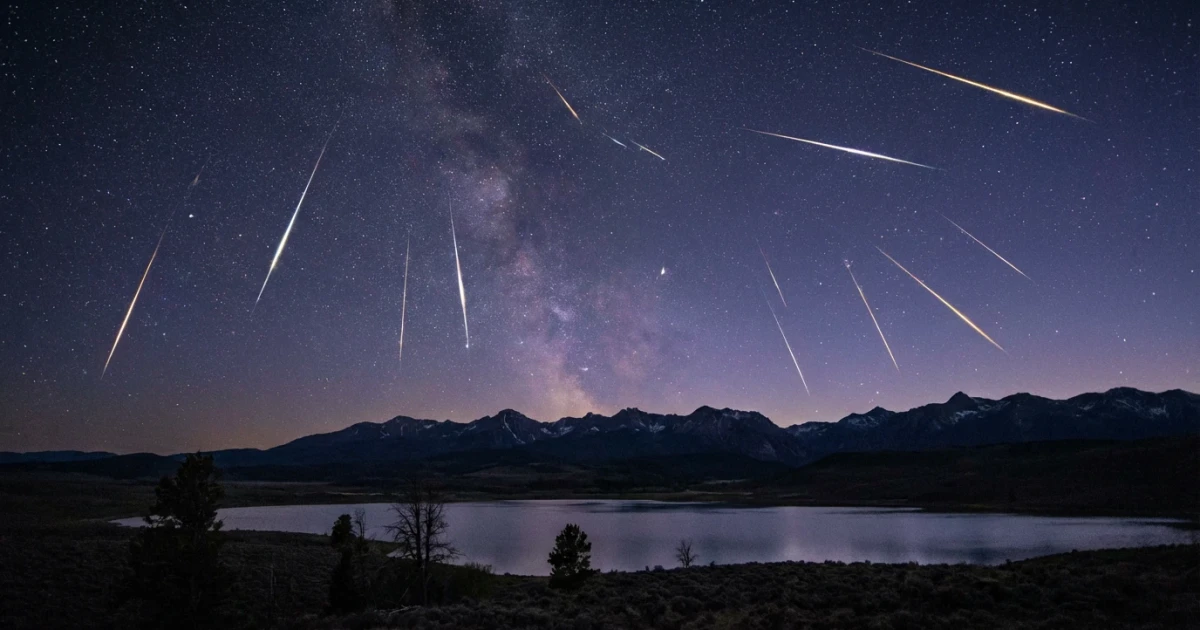
Stargazers across the Northern Hemisphere are preparing for one of the year’s most anticipated celestial events as the Lyrid meteor shower peaks tonight, marking the first major meteor display of 2026. The Lyrids, known for their swift, bright meteors and the occasional fireball, are captivating observers from both the US and UK, with visibility expected to be especially good this year.
What Makes the Lyrids Special?
The Lyrid meteor shower is one of the oldest recorded, with observations documented for over 2,500 years. The shower occurs each April as the Earth passes through debris left by Comet C/1861 G1 Thatcher. As these fragments enter the planet’s atmosphere at high speeds, they burn up, producing streaks of light across the night sky. According to the Royal Museums Greenwich, the Lyrids are notable for their fast meteors, which can leave persistent trains, and for unpredictable surges in activity.
Peak Viewing in 2026
This year, the Lyrids are expected to reach their maximum intensity overnight on April 22 and into the early hours of April 23. The International Meteor Organization’s official calendar lists the peak time as around 01:00 to 05:00 local time, with strong rates possible throughout the night. Viewers in both the US and UK should enjoy prime conditions, thanks to a waning crescent Moon providing darker skies.
- The American Meteor Society projects hourly rates of 10–20 meteors per hour under optimal dark-sky conditions.
- Occasional outbursts have been recorded, with rates temporarily spiking much higher.
- Live observation data will help track real-time activity and sky conditions during the peak.
When and Where to Watch
For the best chance to catch the Lyrids, observers in the US and UK are advised to head outside between midnight and dawn, focusing their gaze toward the northeastern sky, where the shower’s radiant in the constellation Lyra rises. The higher the radiant climbs, the more meteors should be visible. Rural and dark locations away from city lights will improve the spectacle.
- Allow at least 20 minutes for your eyes to adjust to the darkness.
- No special equipment is needed—just a clear view of the sky and patience.
- Meteor rates can be sporadic; plan to watch for at least an hour for the best experience.
What to Expect During the Shower
While the Lyrids do not match the intensity of summer’s Perseids or December’s Geminids, they stand out for their bright, fast-moving meteors and the possibility of brief fireballs. According to the NASA CNEOS fireball data, the Lyrids occasionally produce meteors that outshine Venus, leaving glowing trains that can last several seconds.
Spectacular photos from previous years captured meteors streaking across iconic landscapes, and 2026 is expected to provide similar opportunities for astrophotographers. Both The Times and CNN have highlighted the visual appeal of this shower, noting its historical significance as the first major meteor display each spring.
Looking Ahead
The Lyrids serve as a prelude to a busy meteor shower season, encouraging both amateur and seasoned skywatchers to step outside and appreciate our dynamic night sky. With favorable viewing conditions in 2026, the event offers a chance to connect with a phenomenon witnessed by generations past.
For those keen to track ongoing meteor activity or learn more about upcoming celestial events, resources like the IMO Meteor Shower Calendar and live observation feeds provide up-to-date information and expert guidance.