Politics
Macron invites Trump to Versailles dinner after G7 summit
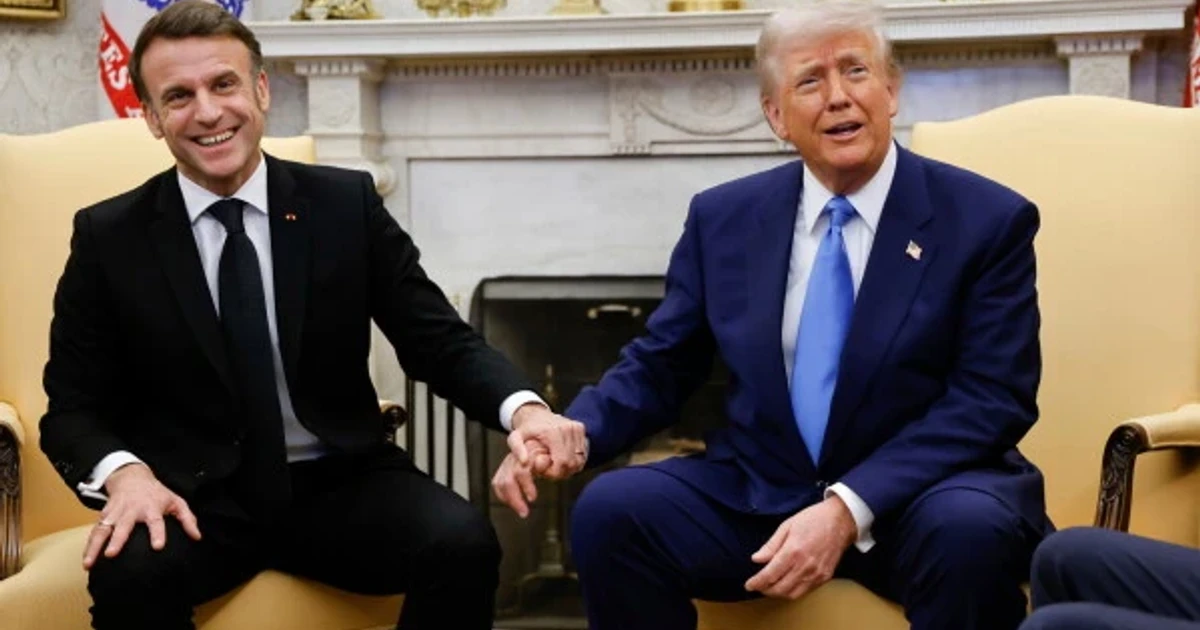
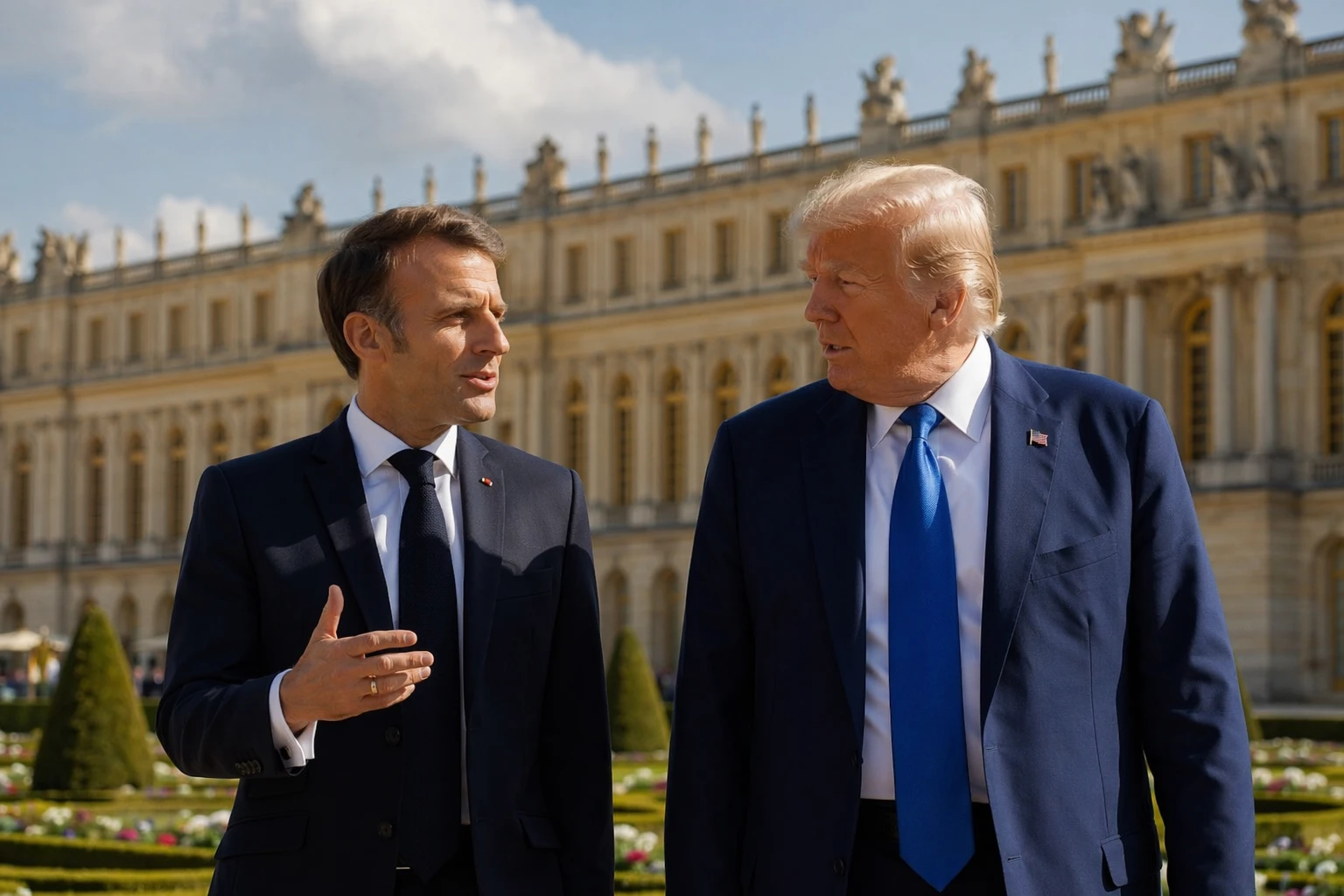
Emmanuel Macron turned the Palace of Versailles into a stage for Donald Trump’s political aesthetics, inviting the president to dinner after the G7 summit in France and giving him a setting that echoed the look he has tried to bring to the White House. Trump accepted and called Versailles “the real deal,” adding that he was “a fan of beautiful places,” a line that fit neatly with his long-running fascination with opulence as a marker of power.
The dinner was framed by Macron’s office as a commemoration of the 250th anniversary of U.S. independence and a symbol of Franco-American friendship. Versailles, once the residence of French kings from Louis XIV to Louis XVI, still serves as a venue for heads of state and foreign dignitaries, but for Trump it carried a more personal appeal. He had been photographed with Macron in Paris in July 2017 during his Bastille Day visit, and now the palace was tied directly to one of Trump’s signature domestic projects.
That project is the planned White House ballroom, a roughly 90,000-square-foot facility designed for about 1,000 guests and being built on the site of the demolished East Wing. Trump has described it as a roughly $200 million gift to the country, but reporting and court filings have placed the price much higher, closer to $400 million or even $600 million. Some accounts have said taxpayers could cover about half the cost through U.S. federal agencies and security-related spending, even as Trump has repeatedly said private donations would pay for it.
The East Wing itself was not some disposable annex. It was originally built in 1902 and expanded in 1942 under Franklin D. Roosevelt, who added a second story and an underground bomb shelter during World War II. Preservation groups have challenged the ballroom in court, arguing that the demolition and reconstruction should have gone through congressional and regulatory approval. That legal fight has turned a matter of design into a broader argument over power, precedent and who gets to reshape the executive mansion.
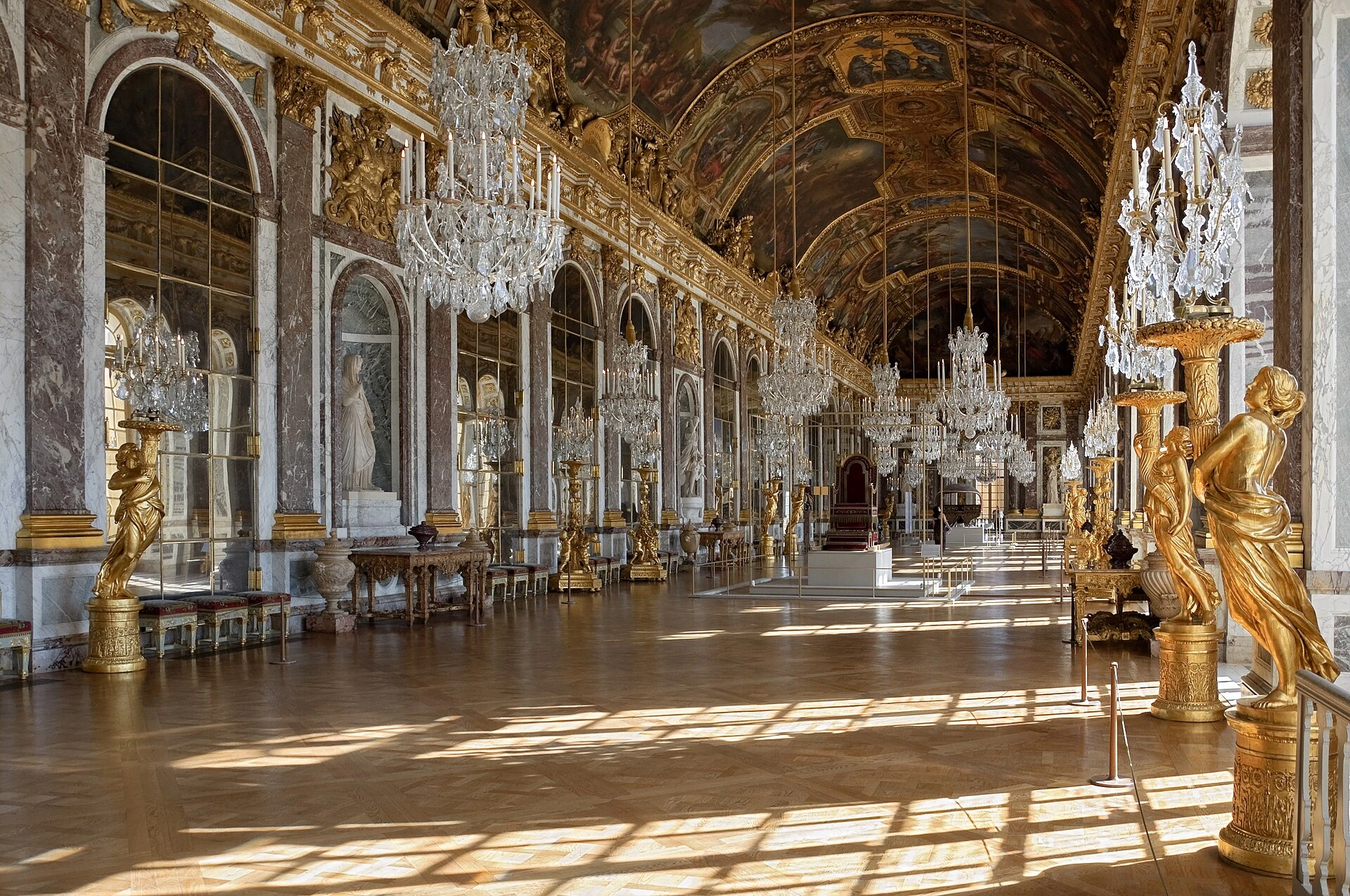
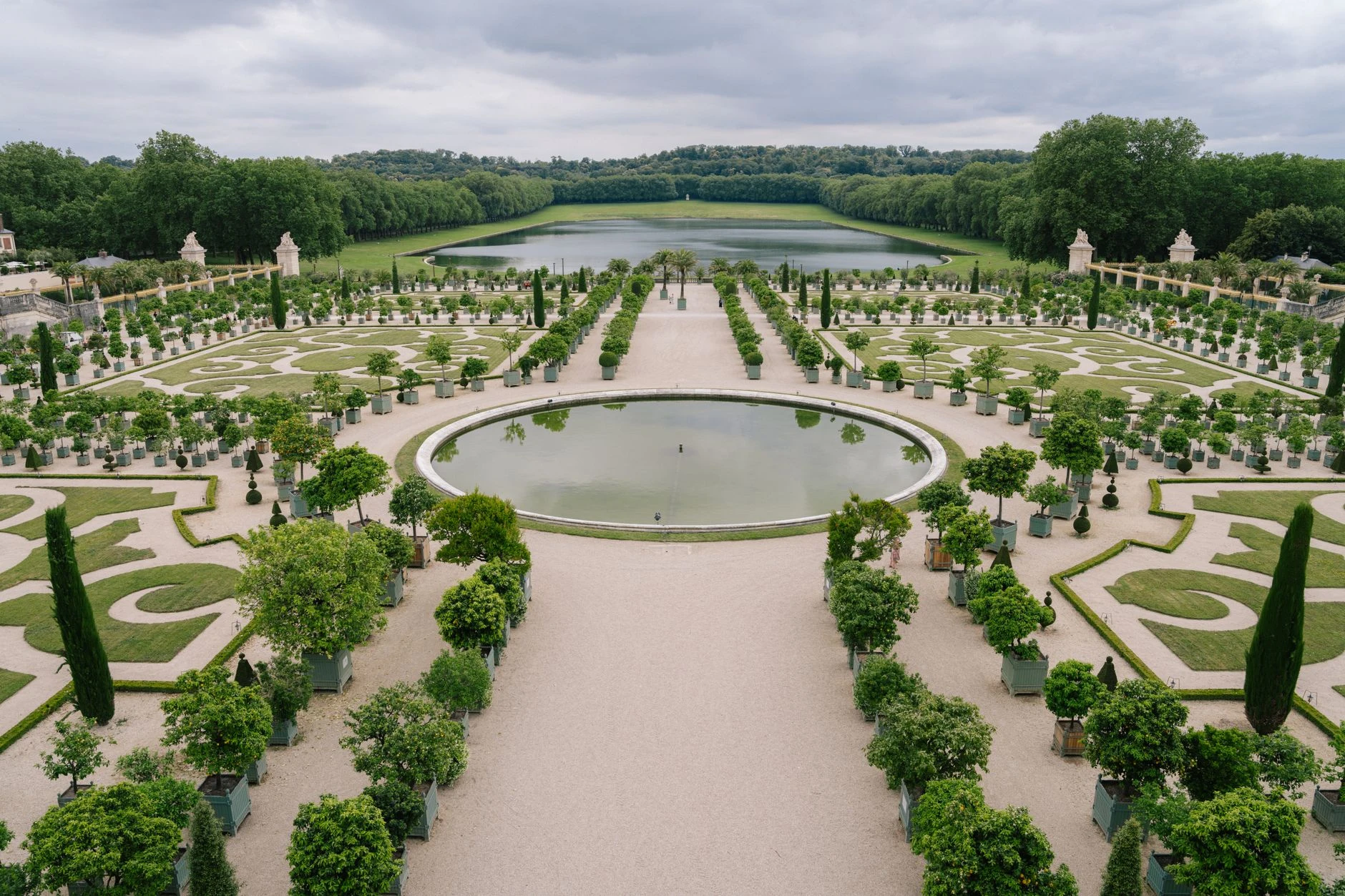
Versailles gave Trump the kind of setting he often seeks: gilded, historic and unmistakably theatrical. Back in Washington, the same taste has become a political test, with supporters seeing strength and critics seeing excess, waste or distraction. The contrast is now impossible to miss: one leader is honoring Trump’s love of grandeur in a French palace, while Trump’s own White House makeover keeps raising the question of whether presidential splendor still reads as authority, or simply as ego made visible.