World
Macron rallies allies in Paris to push Ukraine ceasefire talks
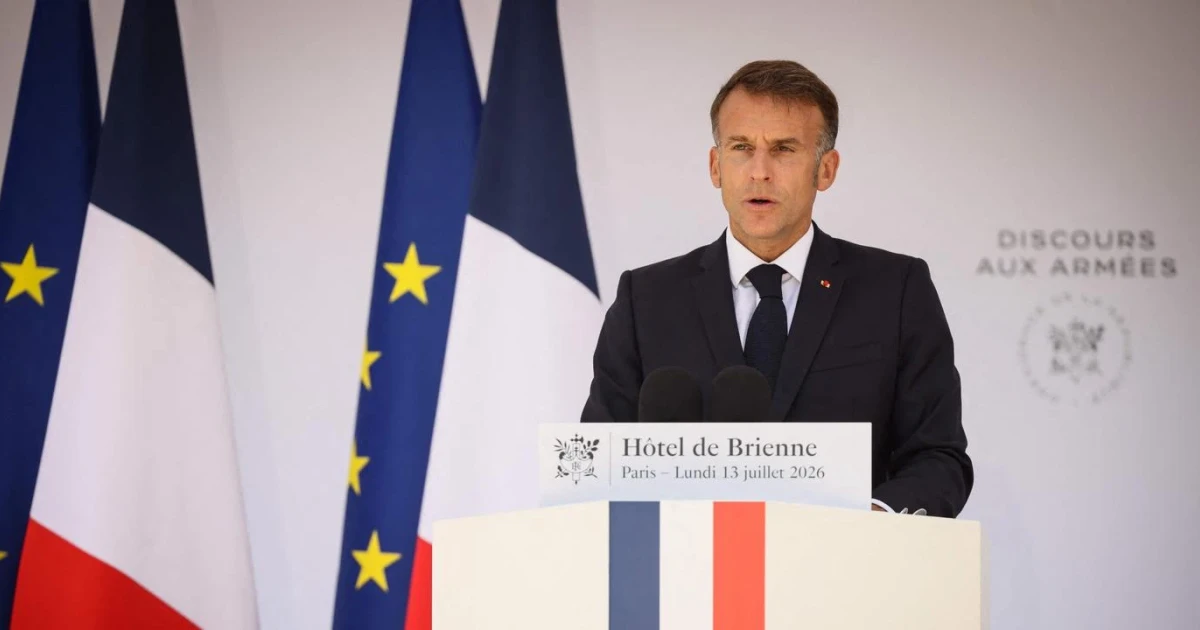
Emmanuel Macron opened a Paris gathering of more than 25 allies on Ukraine as France and Britain pressed the case for ceasefire talks and renewed peace negotiations with Russia. The summit, held under the Coalition of the Willing banner, brought Volodymyr Zelenskyy into a room that Paris cast as both a show of support for Kyiv and a test of whether Europe is prepared to shoulder more of the burden itself.
Before the meeting, Macron told the armed forces that Europe was “in the process of becoming a power” and must be ready to defend itself and freedom “at the cost of blood if necessary.” The language matched the harder edge of his April 2024 Sorbonne warning that Europe could “die” without stronger defenses and strategic autonomy, when he argued the continent must be able to defend its interests with allies or alone if needed. In Paris, that message was paired with a more concrete question: whether European leaders are moving from rhetorical solidarity toward greater military risk and self-reliance for Ukraine.
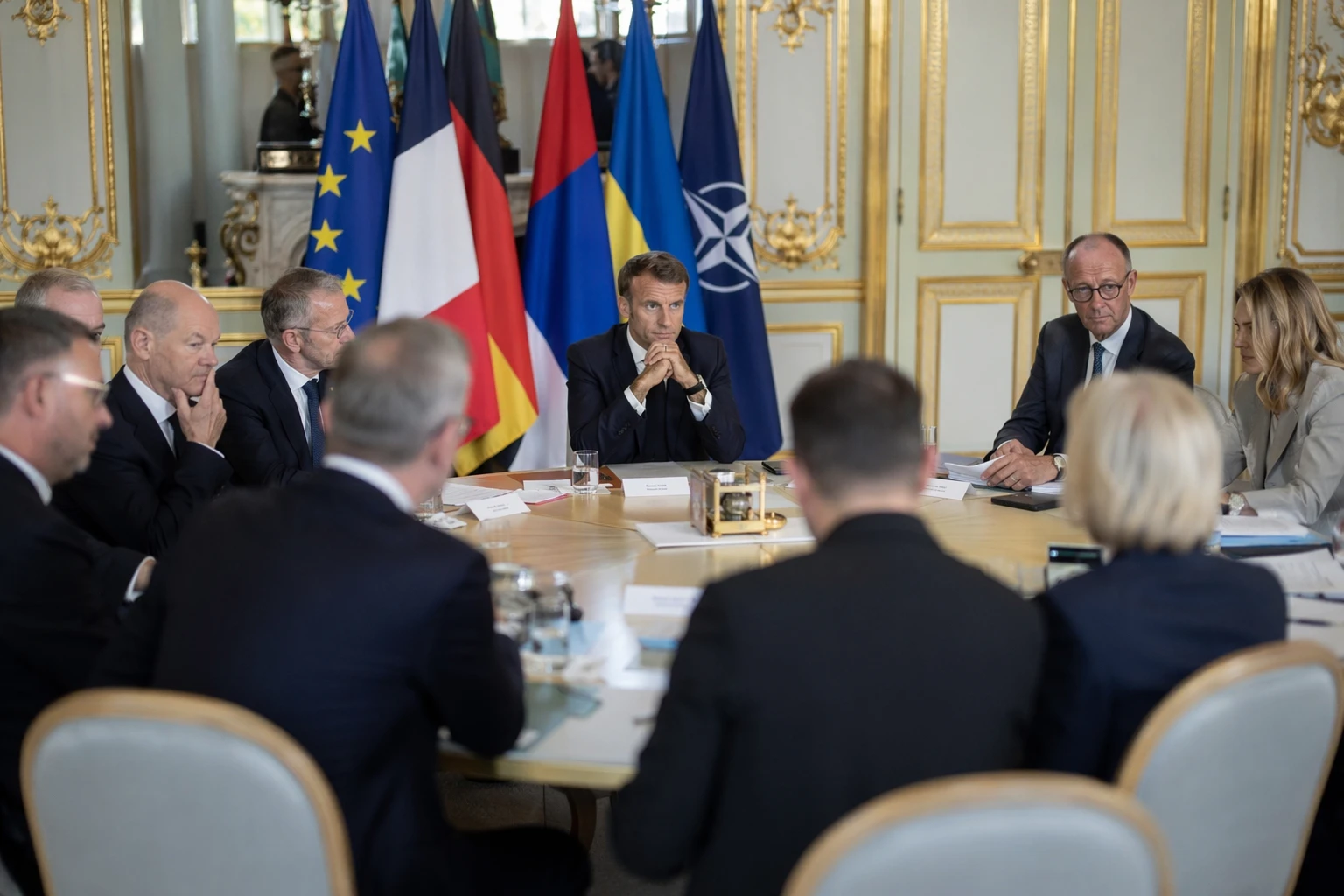
The clearest new step came on the sidelines of the summit, where Ukraine and nine European countries, Denmark, France, Germany, Italy, the Netherlands, Norway, Spain, Sweden, Ukraine and the United Kingdom, announced an Integrated Anti-Ballistic Missile Coalition. The declaration described the effort as “purely defensive” and aimed at building a shared European anti-ballistic missile capacity after repeated Russian strikes on Ukrainian territory.
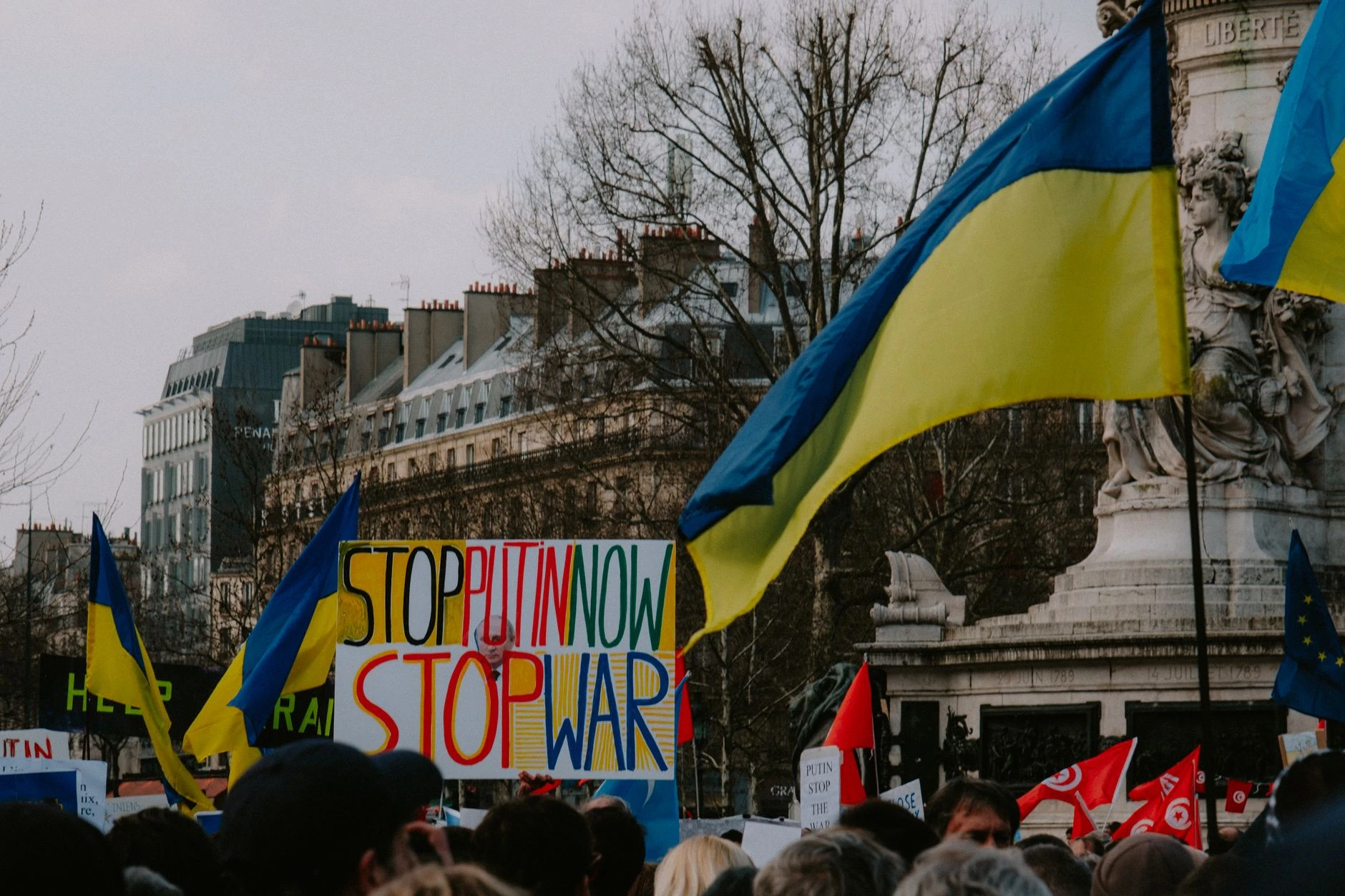
The summit was meant to push for a ceasefire and renewed peace talks, while also reinforcing renewed transatlantic convergence and unity. Leaders were expected to remain in France for the Bastille Day parade on July 14, turning the diplomatic meeting into a two-day display of alignment. Moscow answered with contempt. Kremlin spokesman Dmitry Peskov dismissed the gathering as a “coalition of warmongers” and said the participants “do not want peace.”
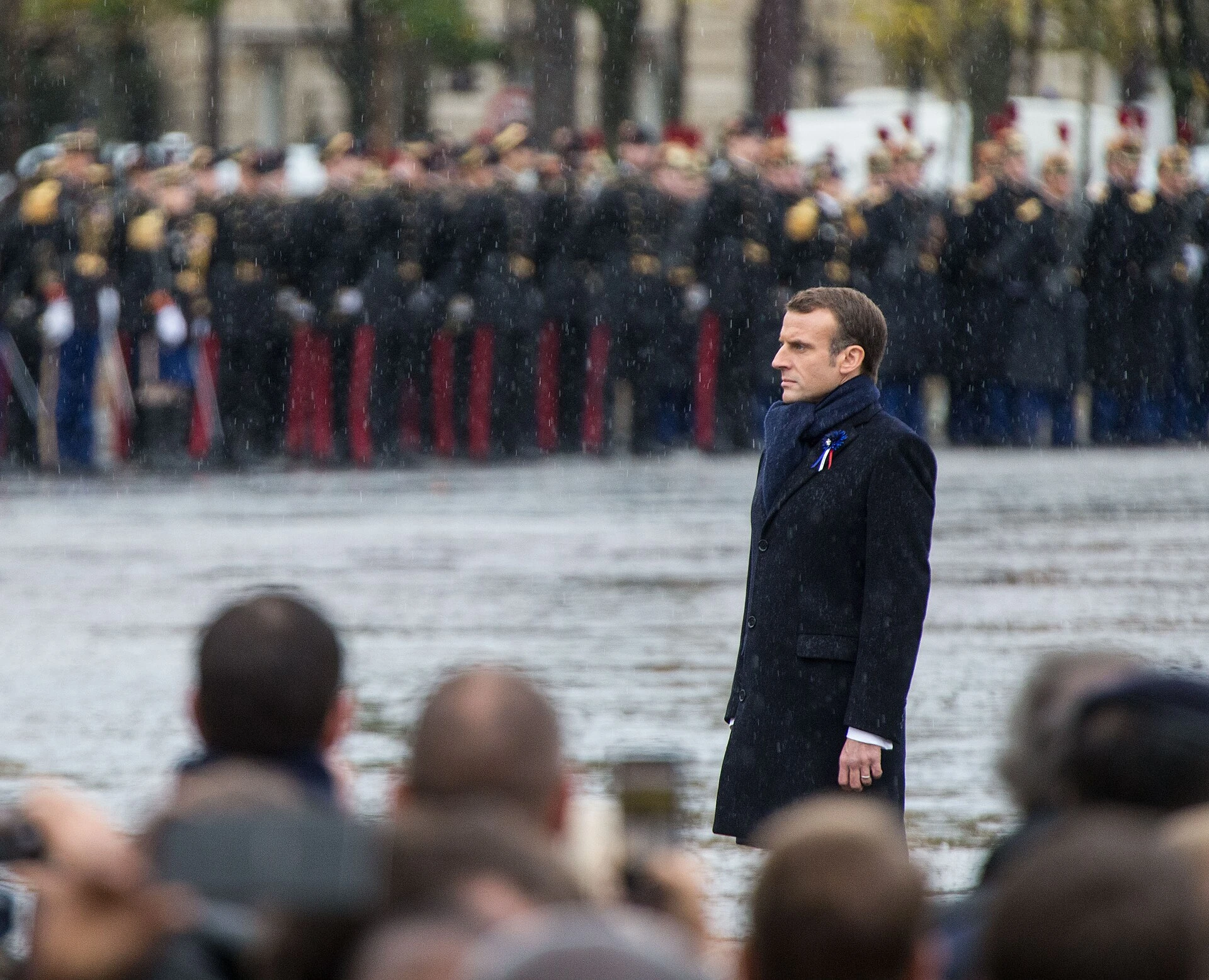
Macron also used the Paris moment to press for more European defense-industry partnerships, even as France and Germany had recently abandoned a joint fighter-jet program. That tension, between new cooperation on missile defense and old friction over major weapons projects, underscored the wider European debate over how far the continent is willing to go if American backing becomes less certain.
Sources
- [1]nytimes.com
- [2]uk.news.yahoo.com
- [3]france24.com
- [4]rfi.fr
- [5]newsday.com
- [6]nato.int
- [7]usnews.com
- [8]cepa.org