World
Macron rejects EU migrant return hubs in third countries
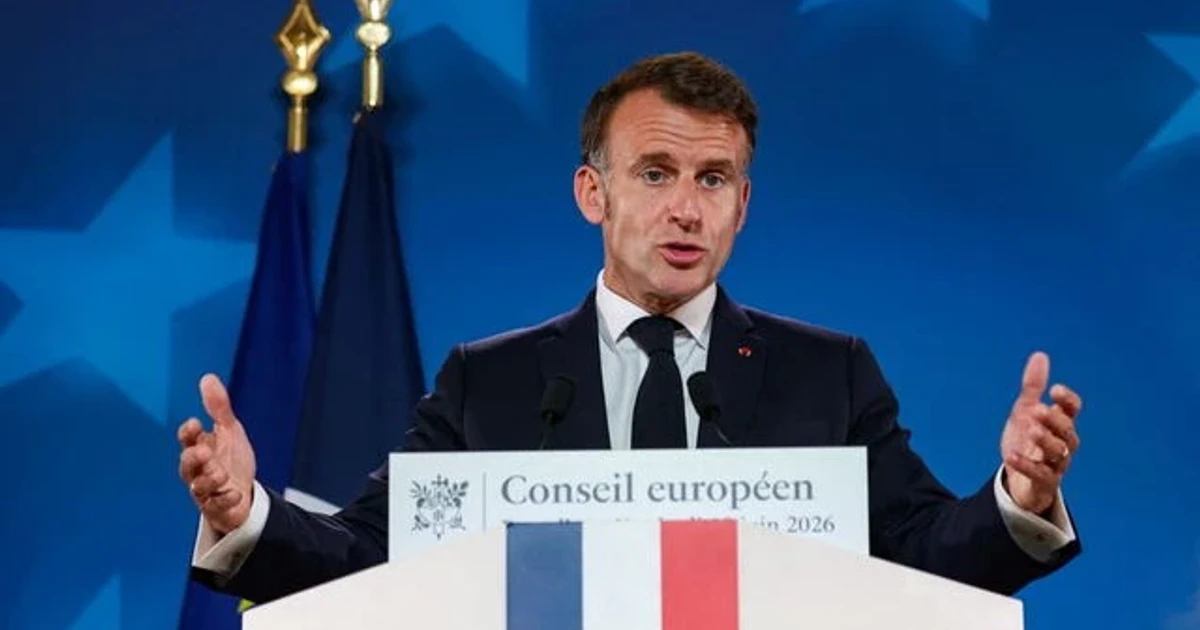
Emmanuel Macron has put France on the side of caution in Europe’s latest migration fight, rejecting the idea of sending migrants to return hubs in third countries just as the European Union moves to make deportations faster and more forceful. Speaking in Brussels after a two-day summit on June 19, the French president backed a more effective return policy but said France did not believe offshore return centers worked in practice or matched the values on which Europe was built.
The clash goes to the heart of how far the bloc is willing to go to tighten migration enforcement. The European Parliament approved the migration overhaul on June 17, and the Council of the European Union and Parliament had already struck a provisional deal on June 1 on a new Common European System for Returns. The European Commission has said the regulation is designed to make returns more efficient and to improve implementation of the wider EU Pact on Migration and Asylum.

Under the new rules, detention for return purposes can last up to 24 months in a member state, with a six-month extension possible in some cases. The Parliament text also allows transfers to a country that agrees to accept returnees under an agreement with an EU member state. Unaccompanied minors are excluded from such transfers, while detention of minors and families with children is allowed only as a last resort and for the shortest appropriate period.
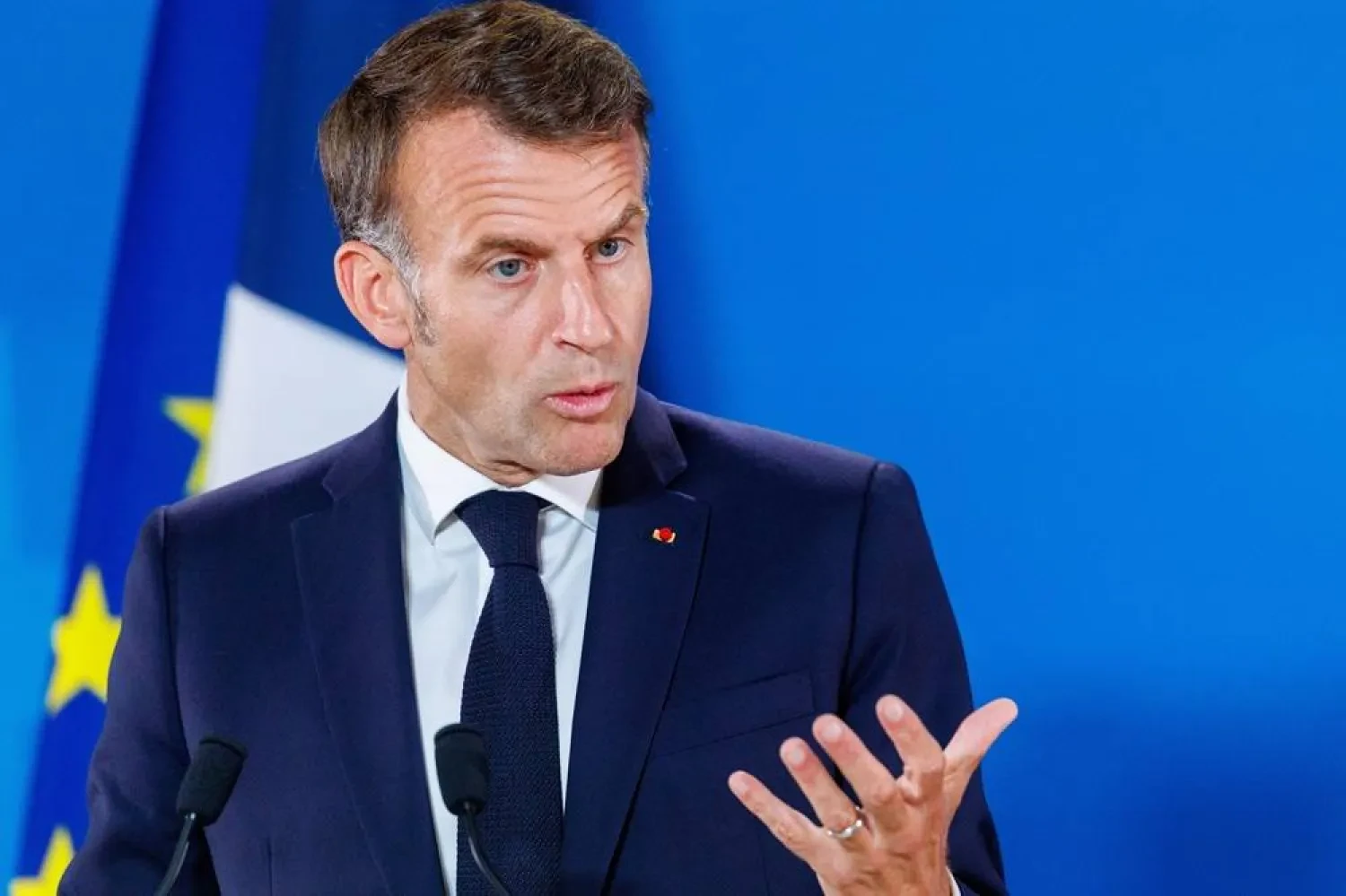
Macron’s resistance leaves France aligned with Spain, whose prime minister, Pedro Sanchez, also opposed the hubs and argued they would waste scarce economic resources. Reuters-linked reporting described Spain as the only EU country openly opposing the measure, even as Germany, Denmark, Austria, Greece and the Netherlands have been exploring return-hub options. Greek Prime Minister Kyriakos Mitsotakis has said he wanted the first agreements concluded in 2026 so the structures could be operating from 2027.


The division matters because it shows the limits of consensus inside the EU. Many governments want a tougher line on irregular migration, but France and Spain are drawing a boundary when enforcement looks like outsourcing responsibility to third countries. That split could complicate negotiations over deportation policy, asylum standards and the role of outside partners, even as rising anti-immigration sentiment across Europe has given stricter policies more political momentum.