Entertainment
Madison Square Garden sues WIRED over report on celebrity tracking
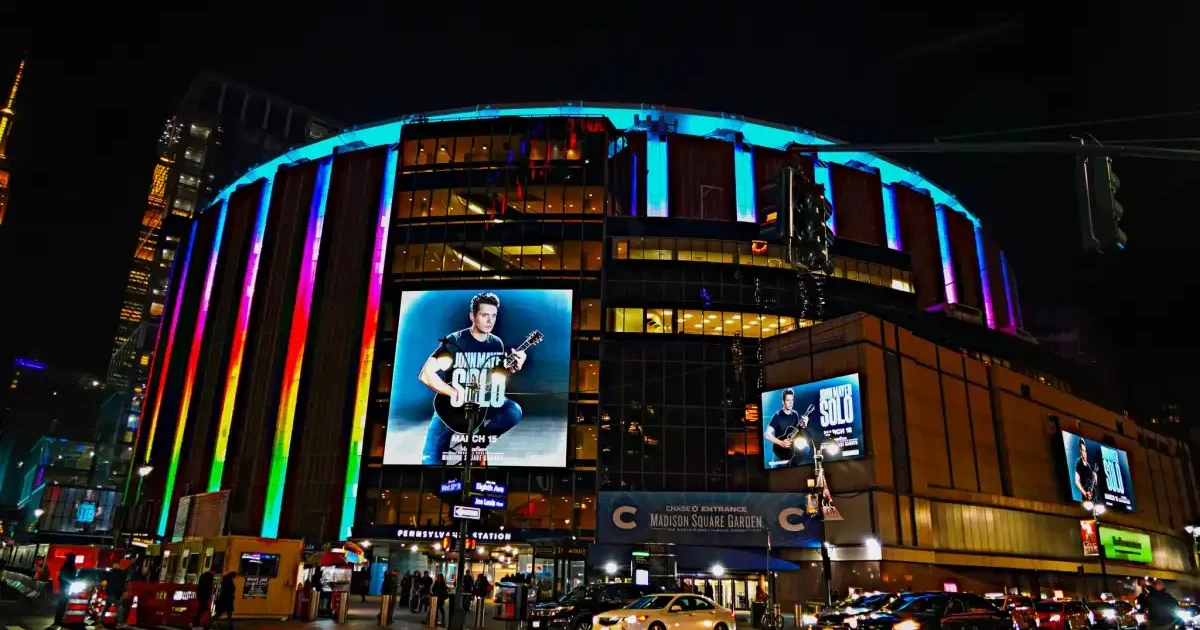
Madison Square Garden Entertainment Corp. sued WIRED in Manhattan federal court after the magazine reported that a leaked venue database tracked celebrities’ race, gender identity and sexual orientation, including 93 people labeled “LGBTQIA.”
The July 9 article, headlined Madison Square Garden Kept a List of Gay Celebrities, said the database covered hundreds of celebrities and included low-to-high “risk” scores for some names, along with entries marked “DO NOT HOST.” MSG says that story falsely implied the company tracked celebrities’ sexual orientation for discriminatory purposes and called the reporting “shockingly unethical.”
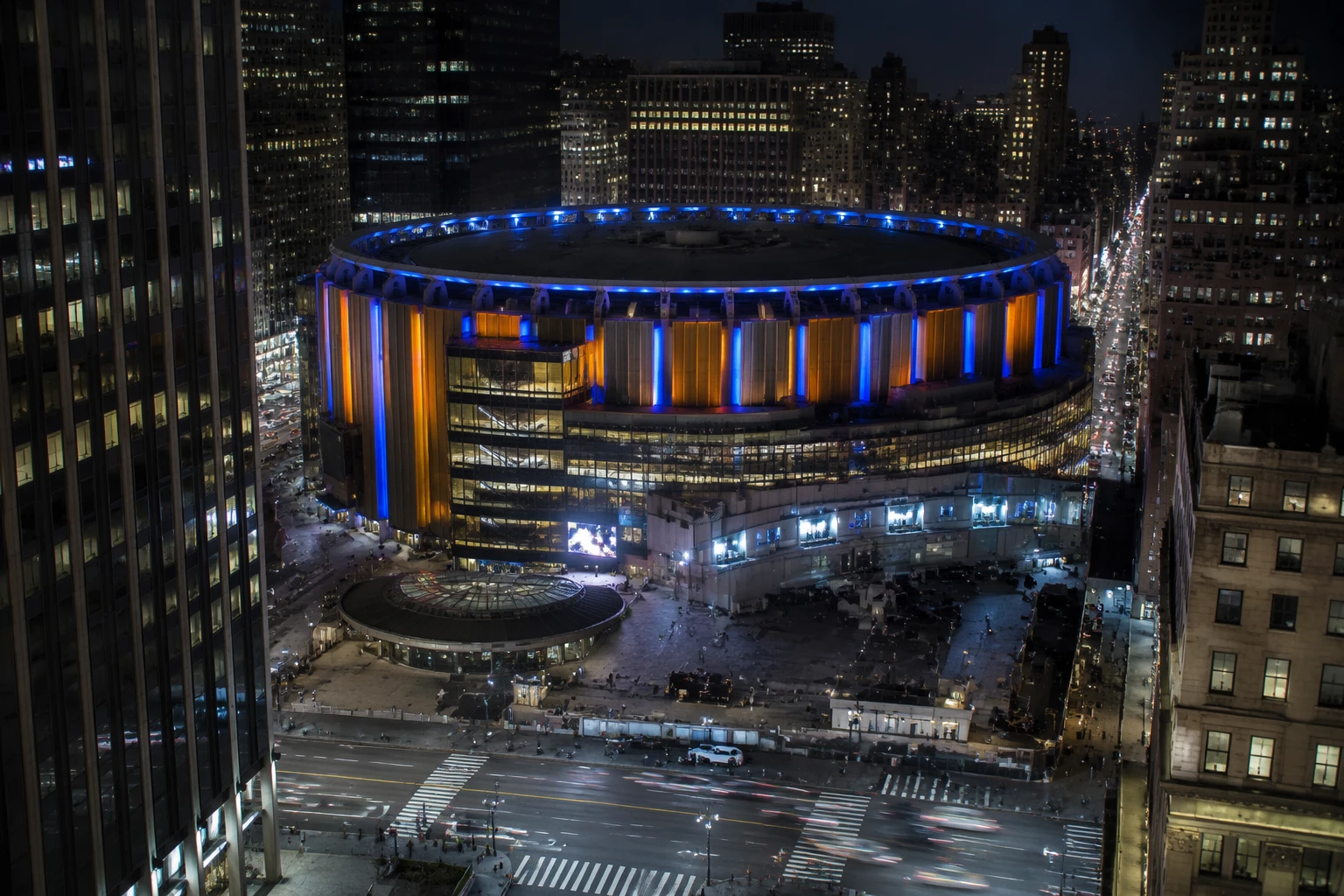
WIRED said it learned MSG was suing it for its “accurate reporting” and said it would “vigorously defend” the article against what it called a “baseless and ridiculous” lawsuit. The clash sets up a direct fight over how far companies can go in challenging reporting that raises questions about internal data use, privacy and discrimination.
The complaint arrives as MSG faces broader scrutiny over surveillance practices at Madison Square Garden. Coverage tied to the dispute has also pointed to earlier reporting on facial recognition at the venue and to separate 2026 litigation involving data breaches and privacy claims against Madison Square Garden Entertainment Corp.
What WIRED described was not a generic access list but a database that, by its account, assigned categories touching on race, gender identity and sexual orientation, then sorted some people by perceived risk and whether they should be hosted at all. MSG’s lawsuit turns on whether that reporting accurately captured the intent and meaning of those labels or wrongly cast the company as using sensitive information in a discriminatory way.
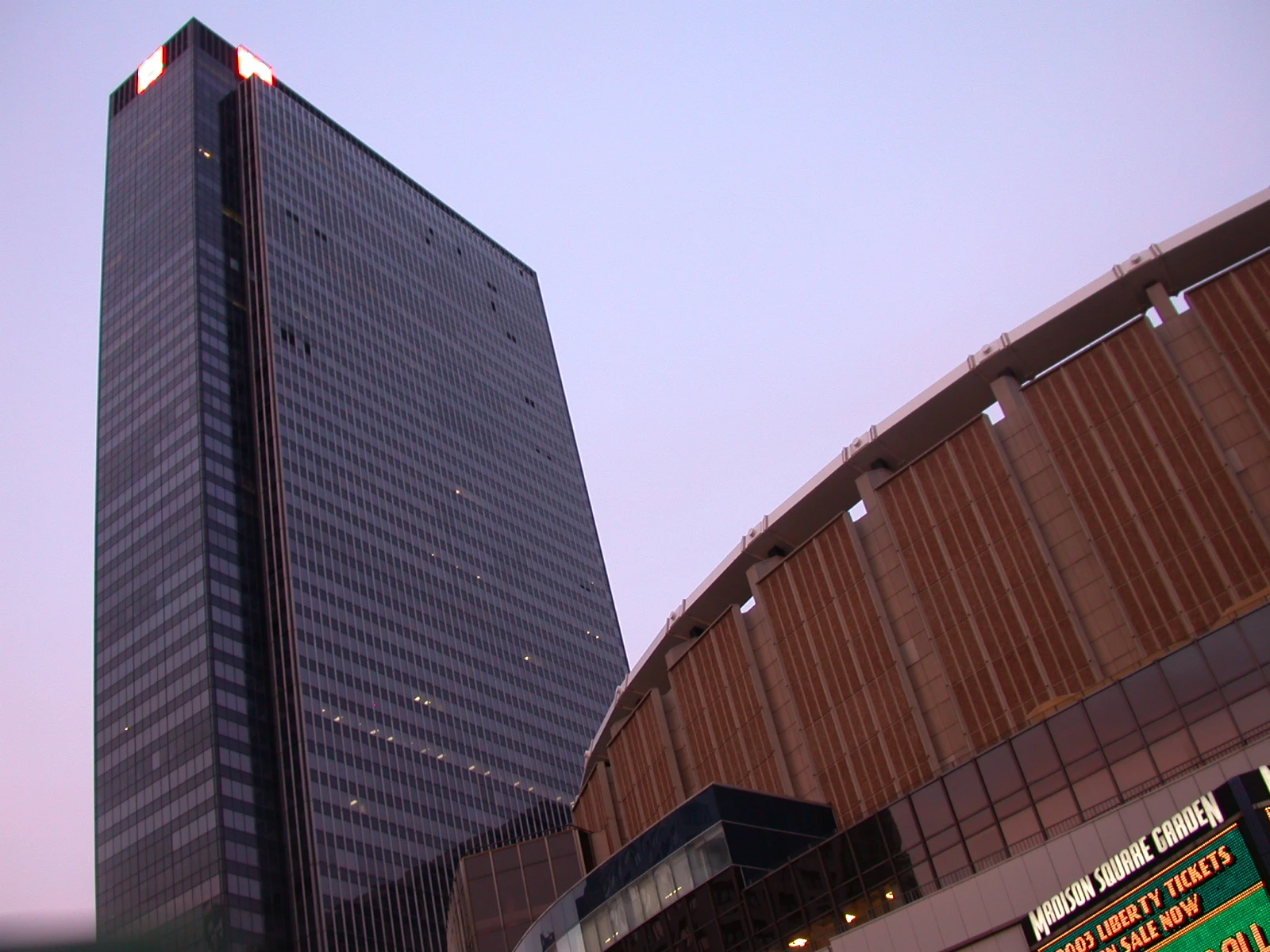
The case lands at a moment when major venues and entertainment companies are being pressed to explain how they collect, store and act on personal data. For press freedom advocates, it is also a test of whether a powerful company can use litigation to chill scrutiny of surveillance systems that affect public-facing spaces, celebrities and ordinary visitors alike.
Sources
- [1]nytimes.com
- [2]wired.com
- [3]billboard.com
- [4]theverge.com
- [5]advocate.com
- [6]nypost.com
- [7]usatoday.com
- [8]facebook.com