Business
Maersk lifts 2026 earnings forecast on stronger Asia container demand
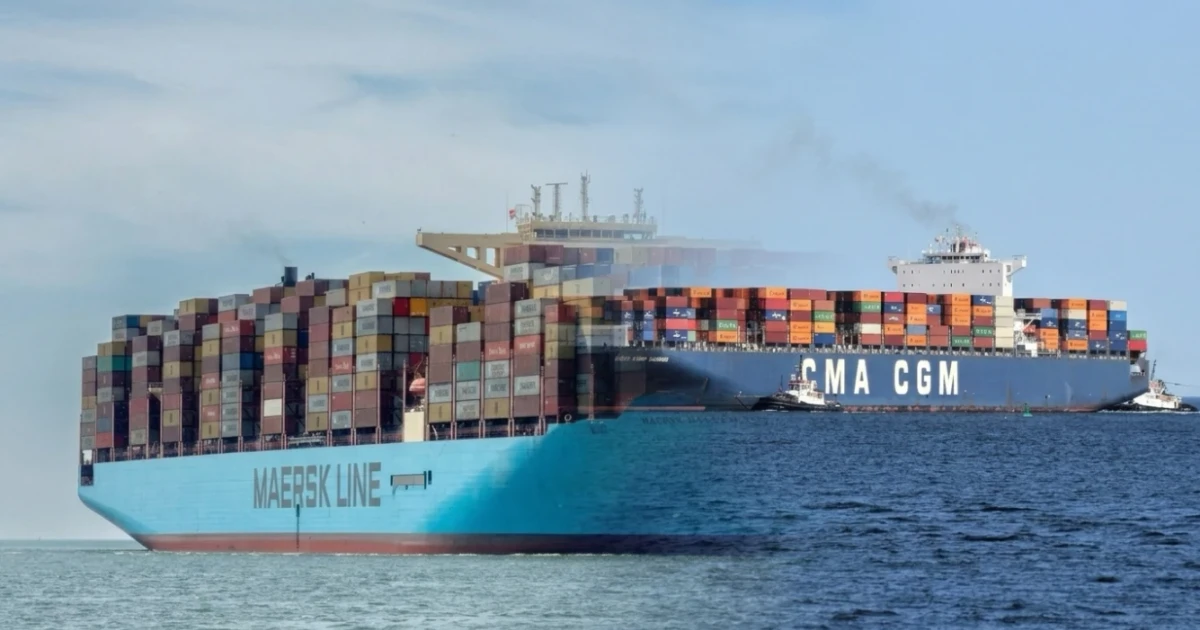
A.P. Moller-Maersk lifted its 2026 earnings forecast after stronger container demand in the Far East and a sustained rise in spot freight rates. The upgrade points to firmer global trade flows than the shipping group expected earlier this year, even as congestion and overcapacity remain part of the market backdrop.
Maersk now expects underlying EBITDA of $8 billion to $10 billion in 2026, up from a prior range of $4.5 billion to $7 billion. It raised its underlying EBIT forecast to $2 billion to $4 billion, from minus $1.5 billion to $1 billion, and said free cash flow would be at least minus $1.5 billion, an improvement from its previous outlook of at least minus $3 billion. The company also moved its view of global container-market volume growth to about 4%, from an earlier estimate of 2% to 4%.
The revised guidance matters because Maersk is one of the clearest bellwethers for world commerce. Stronger volumes in Asia and the Far East suggest importers are still moving goods at a healthy pace, while the sustained rise in spot rates shows that carriers retain some pricing power on key lanes. Maersk also said it saw signs of further port congestion, especially in Asia and the Middle East, a reminder that the market’s recent strength may reflect both demand and lingering bottlenecks.
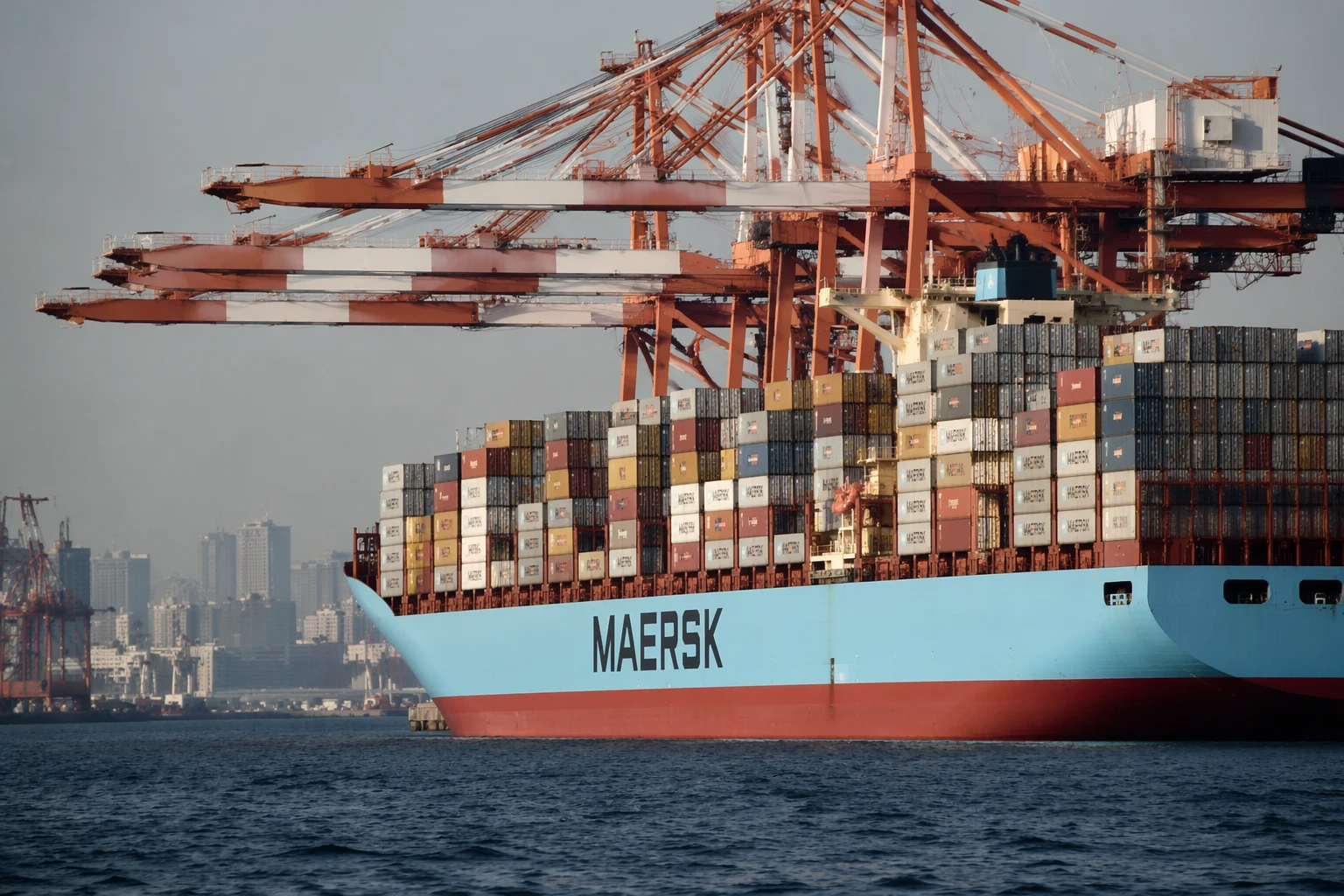
For retailers and manufacturers, the distinction is crucial. If freight rates are being lifted mainly by durable demand, the improvement is a sign that consumer spending and inventory restocking have held up better than feared. If congestion is doing more of the work, shipping costs could stay elevated even without a broader surge in trade, leaving importers with less room to absorb transport expenses and increasing the risk that some of those costs are passed on to consumers later in the year.
Maersk had been more cautious in February, when it projected 2026 global container volume growth of 2% to 4% and EBITDA of $4.5 billion to $7 billion. At the time, Vincent Clerc said the company still faced market volatility and industry oversupply, even though strong demand across most regions had supported volume growth and the flexible Ocean network had cut unit costs by 7% amid Middle East conflict disruptions. Maersk also warned then that new vessels and a possible reopening of Red Sea routes would add capacity and pressure freight rates.
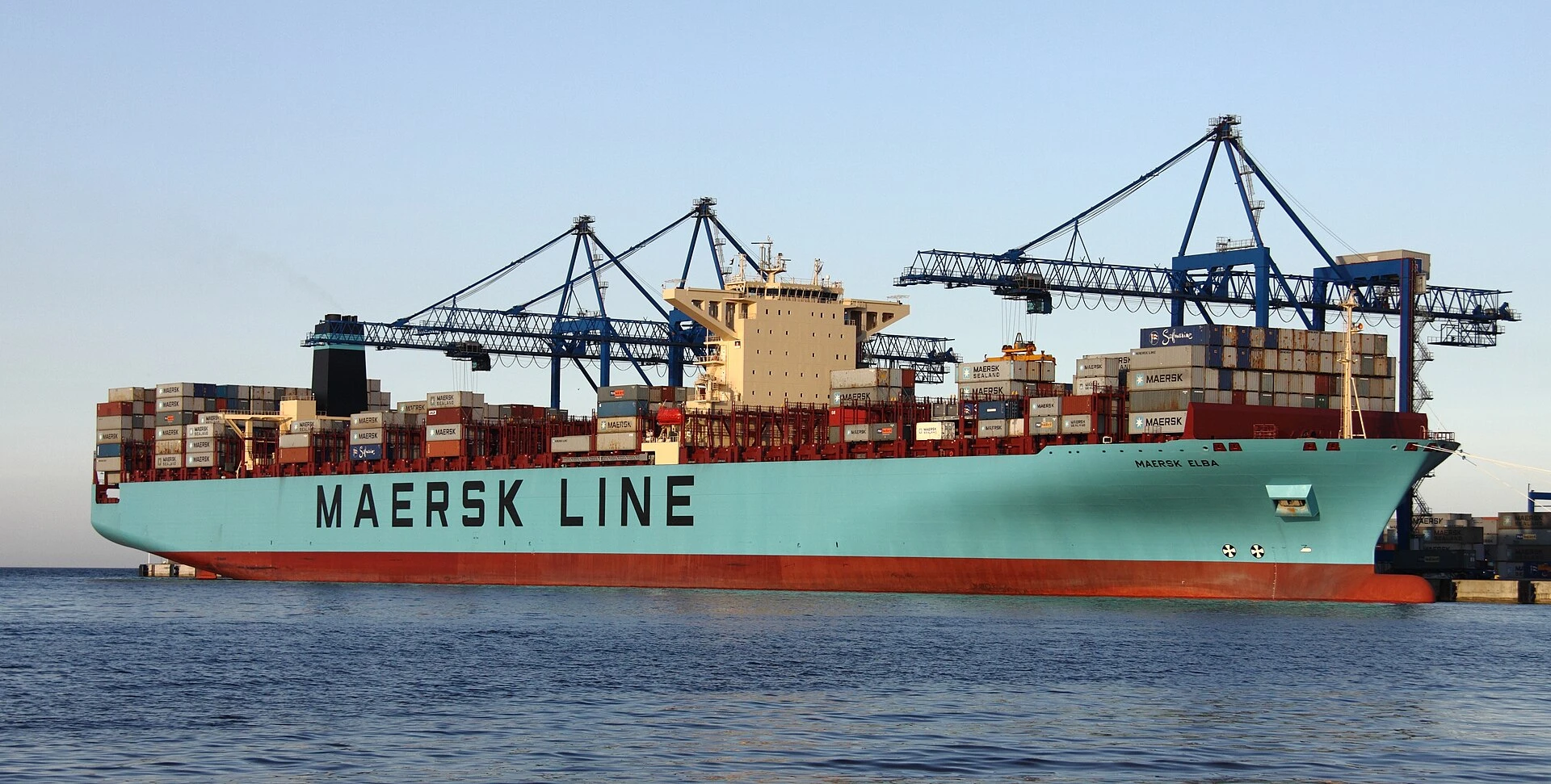
Shares rose after the upgraded outlook, and Maersk said it will publish full second-quarter interim results on 13 August 2026, the next test of whether stronger demand and tighter shipping conditions are holding. The company had already logged $9.5 billion in full-year 2025 EBITDA and 4.9% Ocean volume growth, leaving the new forecast well above its start-of-year view but still below last year’s earnings peak.
Sources
- [1]usnews.com
- [2]maersk.com
- [3]investor.maersk.com
- [4]investing.com
- [5]marketwatch.com