Science
Magnitude 4.1 quake shakes Portugal's Algarve, no damage reported

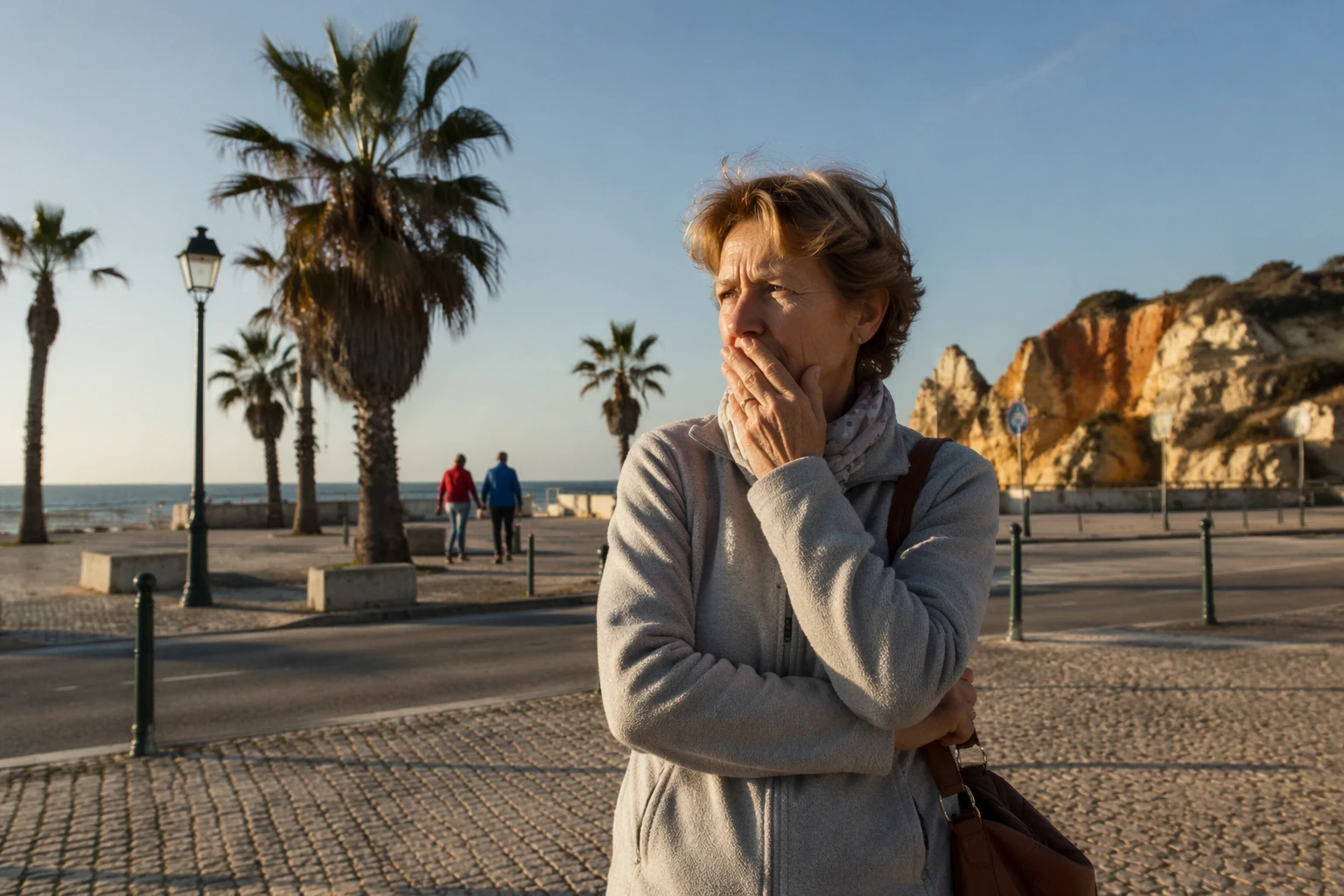
A magnitude 4.1 earthquake shook Portugal’s Algarve at 7:59 a.m. Sunday, startling a coastline better known for beaches and hotels than seismic jolts. IPMA said the tremor was felt in Lagos and Portimao, and that available information showed no reported injuries or material damage.
The epicenter lay in the Atlantic Ocean about 70 kilometers off Cape St. Vincent, keeping the shaking offshore rather than directly under a major city. Even so, the event landed in a region that sits near the boundary between the Eurasian and African tectonic plates, where seismic activity has long been part of the landscape.
IPMA’s public seismic maps and activity pages mark the data as preliminary and subject to updates, a reminder that the first hours after a quake are often about verification as much as measurement. For a tourist region like the Algarve, that means the immediate questions are practical ones: whether hotels, roads, ports and emergency systems have held up, and how quickly officials can confirm that no one was hurt and no infrastructure was affected.
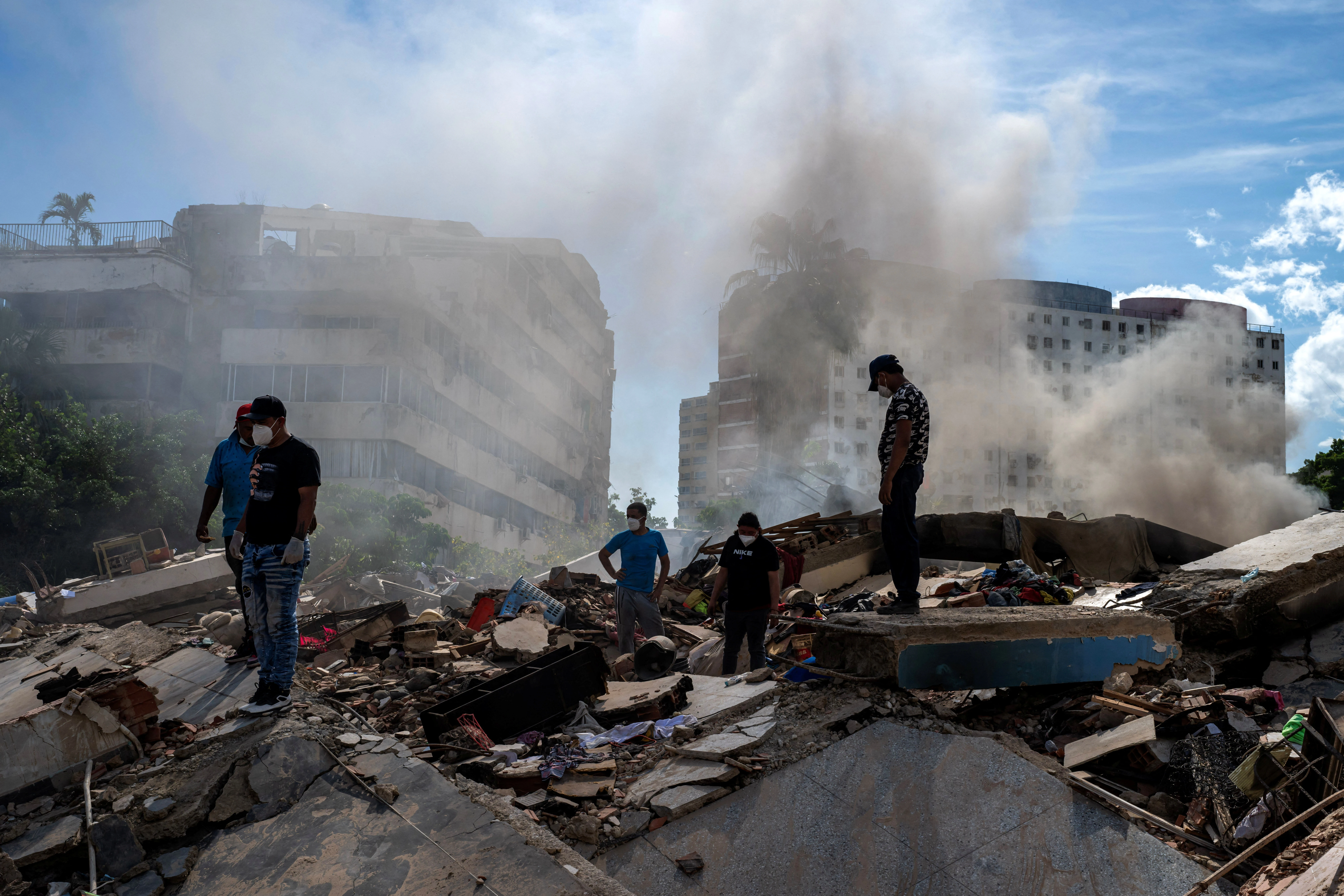
Portugal’s memory of stronger quakes gives the weekend jolt broader context. On November 1, 1755, the Lisbon earthquake and tsunami killed an estimated 60,000 people in Lisbon alone and demolished about 12,000 dwellings, helping shape modern European thinking about disaster response and urban resilience.
A later offshore earthquake on February 28, 1969, was far smaller than the 1755 catastrophe but still deadly. The 1969 quake killed 13 people and injured 80, and a University of Lisbon research summary says it was widely felt across mainland Portugal, Madeira, Spain, Morocco, Andorra and France. The event occurred about 180 kilometers southwest of Cape St. Vincent and showed how a quake off Portugal’s southwest coast can reverberate well beyond the shoreline.
Sunday’s tremor was brief and modest by comparison, but it still underlined a basic fact for residents and visitors alike: southern Portugal is not geologically quiet, and even a moderate offshore quake can test how quickly public warnings, damage checks and reassurance reach a crowded coast.
Sources
- [1]usnews.com
- [2]ipma.pt
- [3]britannica.com
- [4]researchportal.ulisboa.pt