World
Magnitude 5.6 earthquake strikes central Peru, no major damage reported
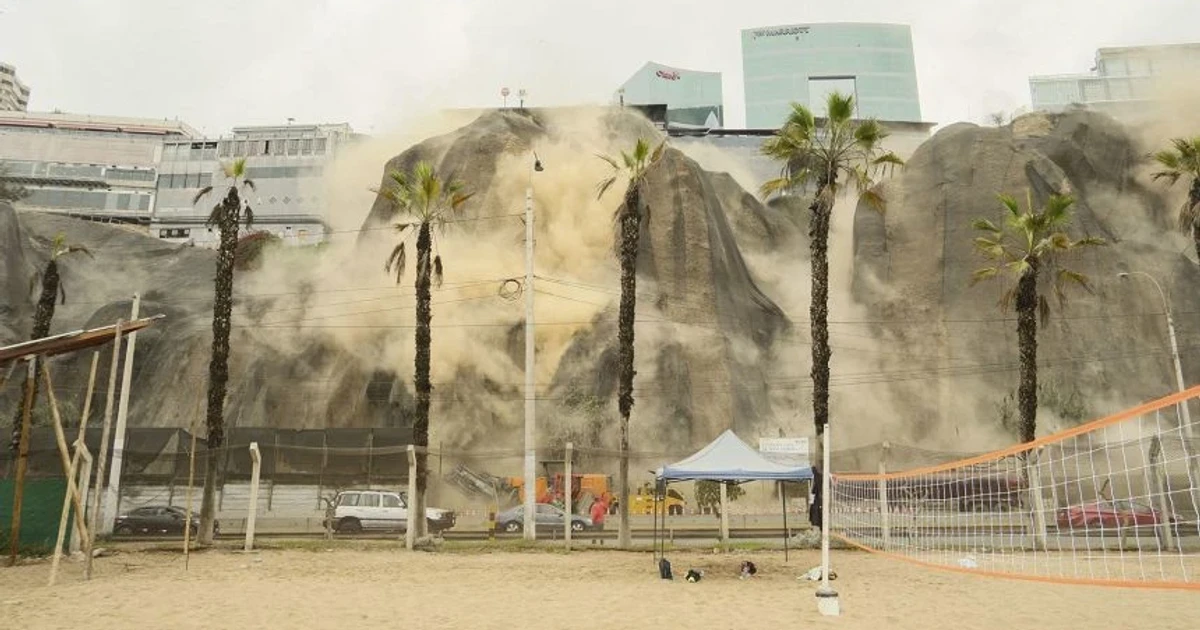
A magnitude 5.6 earthquake struck central Peru, and the first alert showed no major damage as officials began gauging the tremor’s reach across the Andean interior. Reuters dated its breaking-news report to July 19 and described the quake as having occurred on Saturday, July 18.
The European-Mediterranean Seismological Centre identified the event as a 5.6 magnitude quake, while GDACS placed it at latitude -14.5779 and longitude -71.4358. The same system classified the incident as an overall green event, a label it uses for earthquakes expected to have low humanitarian impact, and estimated that about 30,000 people were exposed to shaking at MMI IV. That exposure level matters in Peru’s interior, where roads, power lines and communications can be more vulnerable to disruption than in larger coastal cities.
The quake landed in a country that lives with persistent seismic risk along the Pacific Rim. Peru sits above a major subduction zone, where the Nazca Plate dives beneath the South American Plate, producing frequent earthquakes that can rattle mining corridors, cut mountain transport routes and trigger landslides in the Andes. Even moderate shaking can be felt strongly in smaller towns and rural communities, especially where older buildings or informal structures are less likely to meet modern earthquake standards.
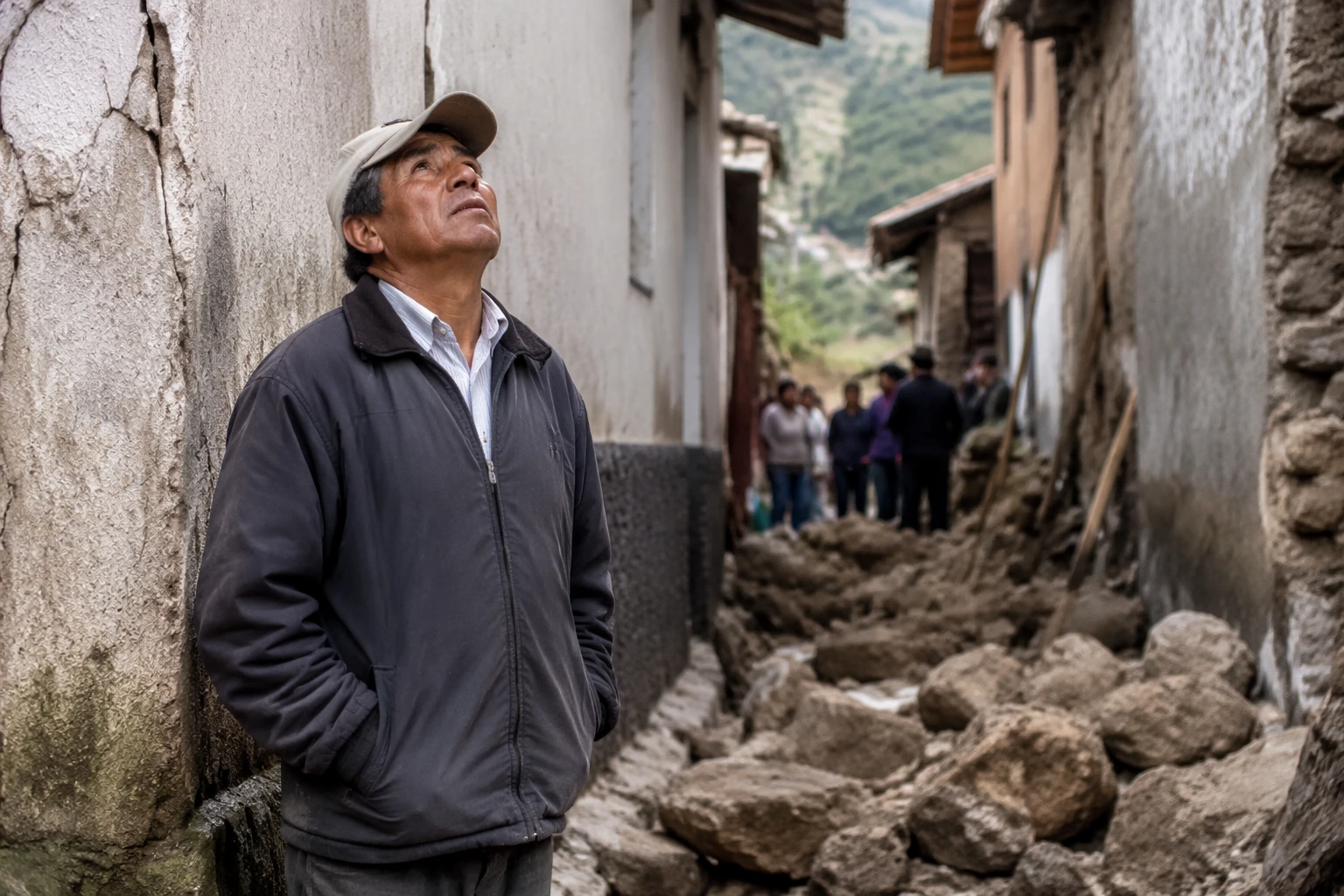
That is why the immediate question after a jolt like this is not only the magnitude but the condition of homes, bridges, gas lines and electricity networks. Civil defense checks typically focus on aftershocks, localized damage and whether emergency crews can reach highland communities quickly if roads are blocked. The alert for central Peru did not show a major damage picture, but the geography alone keeps preparedness at the center of the response.
For Peru, the significance of a green-rated earthquake is not that the threat has passed, but that the country has another reminder of how routine seismic shocks can test public readiness. The key now is whether rapid inspections, communication systems and local response plans can keep a 5.6 tremor from becoming a wider disruption.
Sources
- [1]reuters.com
- [2]thehindu.com
- [3]gdacs.org
- [4]sharjah24.ae