Science
Magnitude 5.9 earthquake strikes off New Zealand's North Island coast

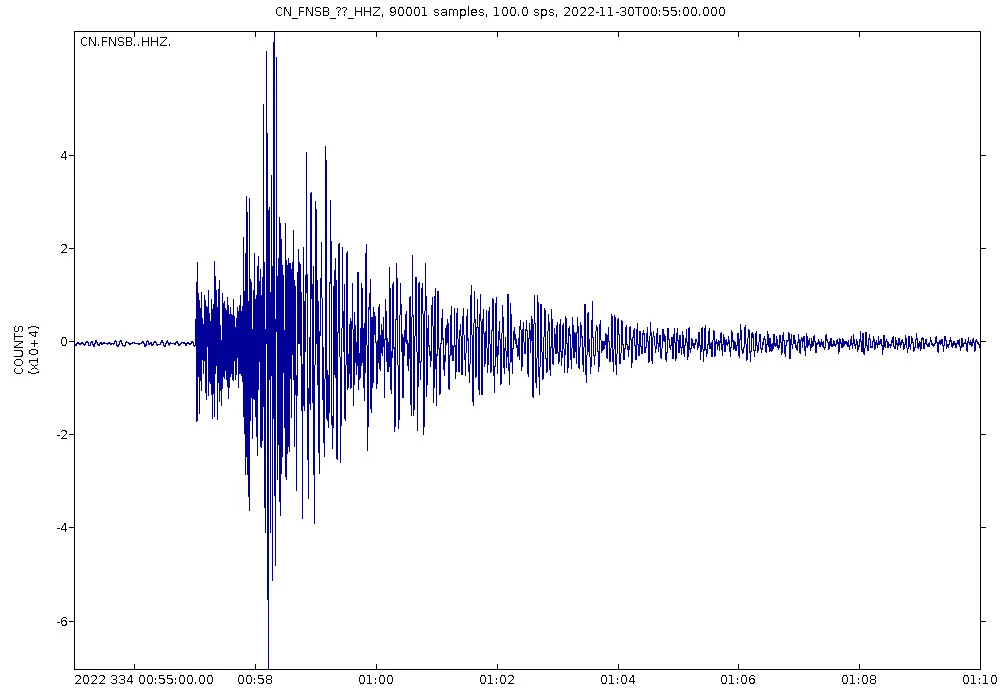
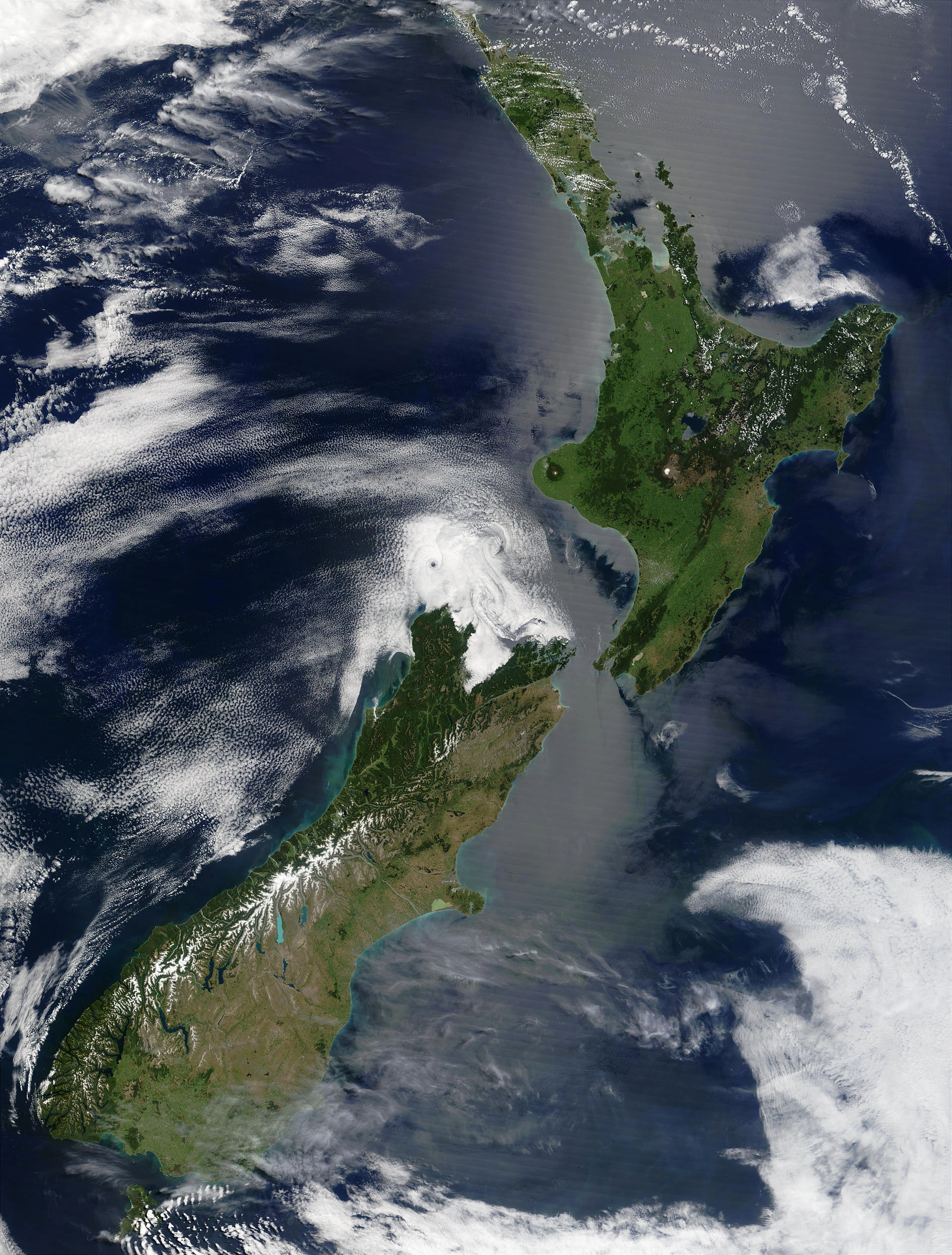
A magnitude 5.9 earthquake struck off the east coast of New Zealand’s North Island, with GFZ placing the event at a shallow 10 km depth, a level that can make shaking more widely felt along the coast. The quake landed in a country perched on the Pacific Ring of Fire, where offshore and nearshore tremors are not just a geological event but a public-safety test for roads, ports, communications and coastal evacuation plans.
The North Island’s east coast has long been one of New Zealand’s most seismically active corridors, and even moderate quakes can draw immediate attention because they can trigger tsunami concern. Coastal shaking can disrupt transport and communications, shake loose infrastructure and prompt checks for landslides, power outages and damage to buildings and lifelines. That risk is why emergency messages in New Zealand often focus on quick, plain instructions rather than reassurance.
New Zealand’s response playbook is built around speed. During the July 16 South Island earthquake, national emergency management officials told people to stay away from harbours, marinas and rivers while coastal conditions were assessed. That same event showed how quickly seismic estimates can shift: the quake was first measured at magnitude 6.3 before being revised down to 5.9 as more data came in. Some accounts of that shaking described it as “long and loud” and sounding “like a train,” a reminder that a sub-6.0 quake can still be unnerving enough to trigger alert levels and public caution.
For U.S. readers, the comparison is direct. New Zealand’s first response to a coastal quake resembles the most serious American earthquake and tsunami guidance: drop, cover and hold on during shaking, then move fast if the sea or shoreline itself becomes the danger. U.S. federal preparedness advice says tsunamis can damage or destroy buildings and infrastructure, and that Pacific and Caribbean coasts face the highest risk. New Zealand’s emphasis on natural warning signs, especially after offshore quakes, mirrors that same principle: if the shaking is strong or long, do not wait for a formal alert.
The latest North Island quake reinforces that lesson. In a highly seismic nation, preparedness is not a campaign slogan but a daily operating standard, and every offshore event becomes a live check on whether communities, utilities and emergency agencies can respond before a tremor becomes a coastal emergency.
Sources
- [1]reuters.com
- [2]gmanetwork.com
- [3]moneycontrol.com
- [4]straitstimes.com
- [5]sbs.com.au
- [6]abc.net.au
- [7]tribune.com.pk