World
Maharashtra forest officials arrest man with monitor lizard part near Pune
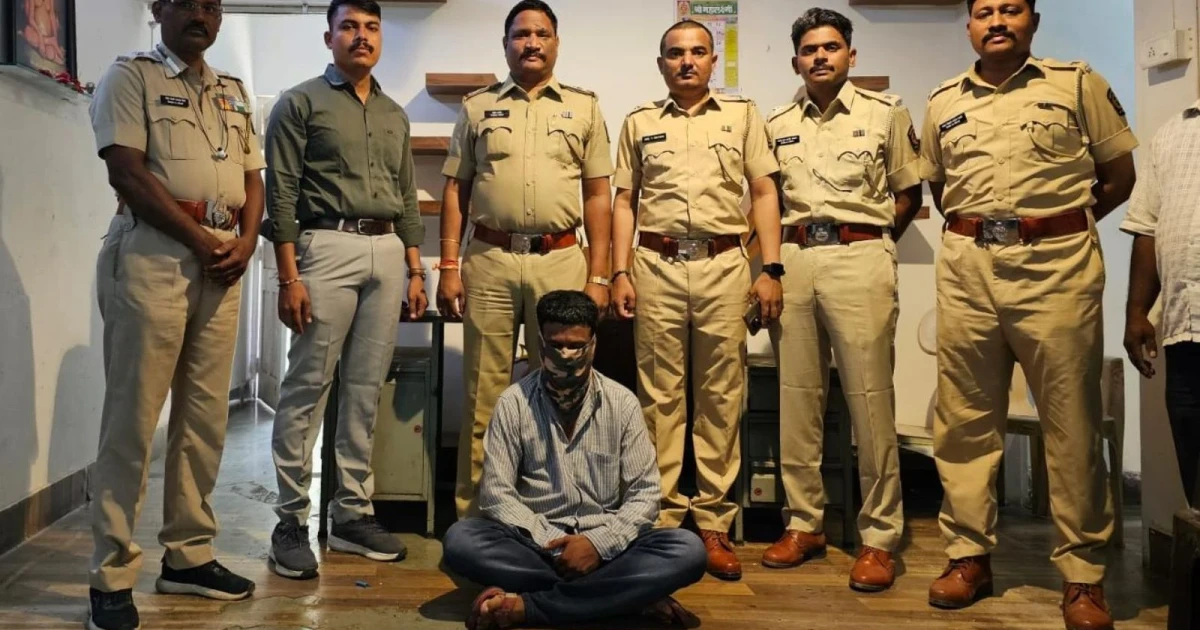
Forest officials in Maharashtra arrested Malhar Lala Lokhande, 34, near Pune Railway Station after a tip-off led them to a protected monitor lizard part in his possession. The seizure, a severed and dried genital, turned a street-level trap into a case that points to a wider illegal trade built on wildlife parts, folklore and fraud.
Lokhande, a resident of Pimple Gurav, was produced before court and then remanded to forest custody for one day as investigators continued to trace how he obtained the animal part and where it came from. A press release from senior forest officials, including Aashish Thakare and Abhijit Waykos, identified the seized material as a protected wildlife item and said the inquiry was still under way.
The case matters because the demand is not only for the part itself but for what traders claim it can do. In illegal markets, monitor lizard body parts are often passed off as “hatha jodi,” a supposed lucky root sold with claims that it can bring prosperity, solve problems or deliver other benefits. That belief gives the trade its staying power, allowing wildlife products to move through a marketplace where superstition is used to mask contraband and pull in unsuspecting buyers.
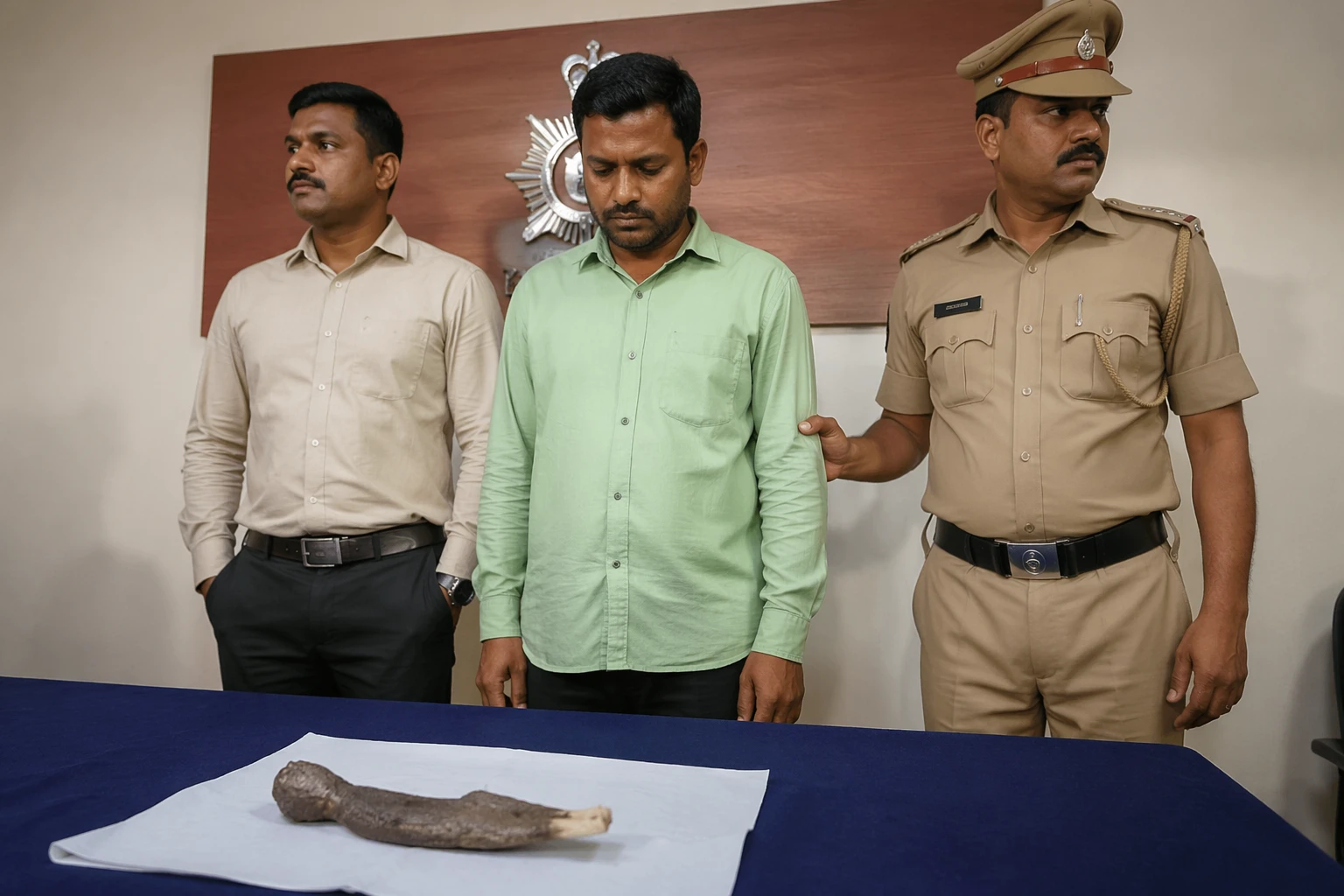
Monitor lizards are protected under Schedule I of the Wildlife (Protection) Act, 1972, which was enacted on 9 September 1972 to protect wild animals, birds and plants. Conservation sources note that all four Indian monitor lizard species fall under Schedule I Part II, making possession of their body parts illegal and giving forest officers clear grounds for seizure and arrest.
The arrest near Pune also fits a pattern that officials have been confronting for months. In November 2024, Pune Forest Division and the Wildlife Crime Control Bureau seized porcupine quills and monitor lizard parts in another raid. In March 2025, forest officials reportedly arrested three people and seized 151 monitor lizard genitals in a separate crackdown, showing that the trade in so-called hatha jodi has continued despite repeated enforcement action.
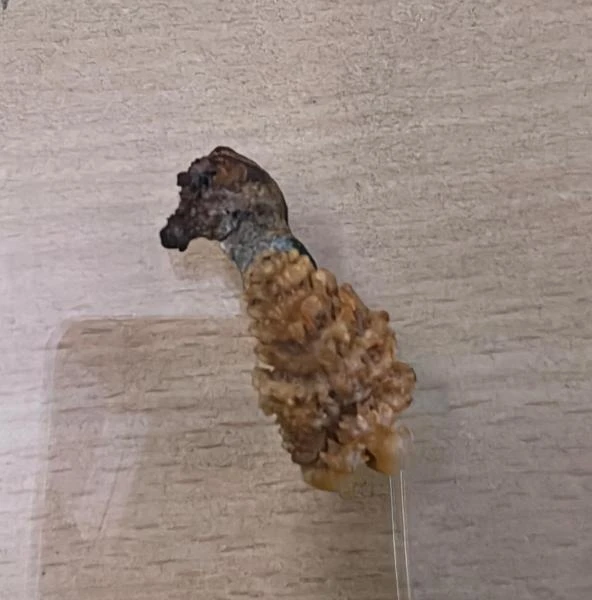
Officials have also pointed residents to the Maharashtra Forest Department’s wildlife helpline, 1926, for reporting wildlife crime. For forest authorities, the challenge now goes beyond stopping a single sale: they must cut off the supply chain that moves protected species parts from poachers or illegal dealers to buyers who are told the commodity carries mystical value.
Sources
- [1]indianexpress.com
- [2]mahaforest.gov.in
- [3]indiacode.nic.in
- [4]punekarnews.in
- [5]indiatoday.in
- [6]cloud.gbif.org