Politics
Maine Democrats rush to replace Platner, warn Schumer to stay away

Graham Platner’s exit forced Maine Democrats into a compressed sprint on Sunday, with the party racing to keep its best Senate pickup chance alive against Republican Sen. Susan Collins while trying to keep Washington at arm’s length. Platner had to formally withdraw by 5 p.m. Monday, July 13, to clear the way for a replacement on the ballot, and the Maine Democratic Party set a nominating convention for July 25 with replacement paperwork due by July 27.
The scramble followed sexual assault allegations that surfaced in July 2026 and drove Platner from the race after he had become the party’s breakout challenger. Janet Mills suspended her campaign on April 30, 2026, leaving Platner as the Democrats’ strongest contender in a contest national strategists saw as one of their best chances to unseat Collins and shape Senate control in November.
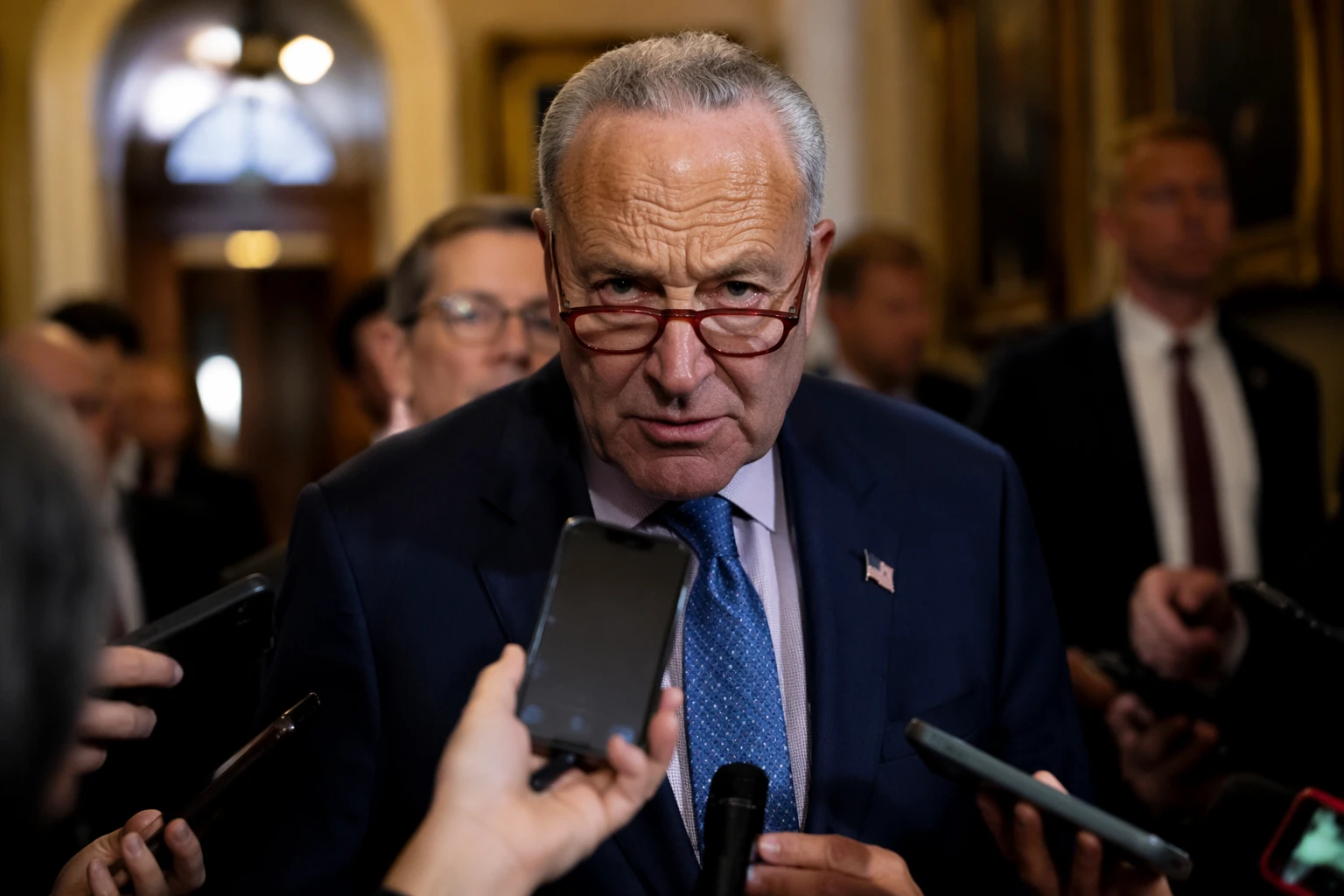
But the replacement fight has become as much about power as procedure. Senate Minority Leader Chuck Schumer and Democratic Senatorial Campaign Committee Chair Kirsten Gillibrand called on Platner to withdraw, even as Maine Democrats warned that a heavy-handed intervention from Washington could depress turnout and make the nomination process look like a backroom deal. Unions and progressive activists had privately urged Schumer and other national Democrats to stay out of the primary, a warning rooted in the state’s political culture, where independence often matters as much as party loyalty.
The Maine Secretary of State’s Office said a public declaration was not an official withdrawal and confirmed receipt of Platner’s formal notice. The state party said replacement candidates had until July 15 to declare and would need voter signatures from at least half of Maine’s 16 counties, a requirement that underscores how little time any new contender has to build a statewide operation before the July 27 deadline.

For Democrats, the problem is not just finding a nominee but finding one who can unite a fractured party fast enough to challenge Collins. National money and national leadership can help in theory, but in Maine, where voters often prize political independence, the same involvement can look like outside control at the very moment Democrats most need local trust.
Sources
- [1]nytimes.com
- [2]politico.com
- [3]maine.gov
- [4]mainepublic.org
- [5]nbcnews.com
- [6]thesheffieldpress.com