Politics
Maine Lobster Industry Uprising Puts Senate Races in Spotlight
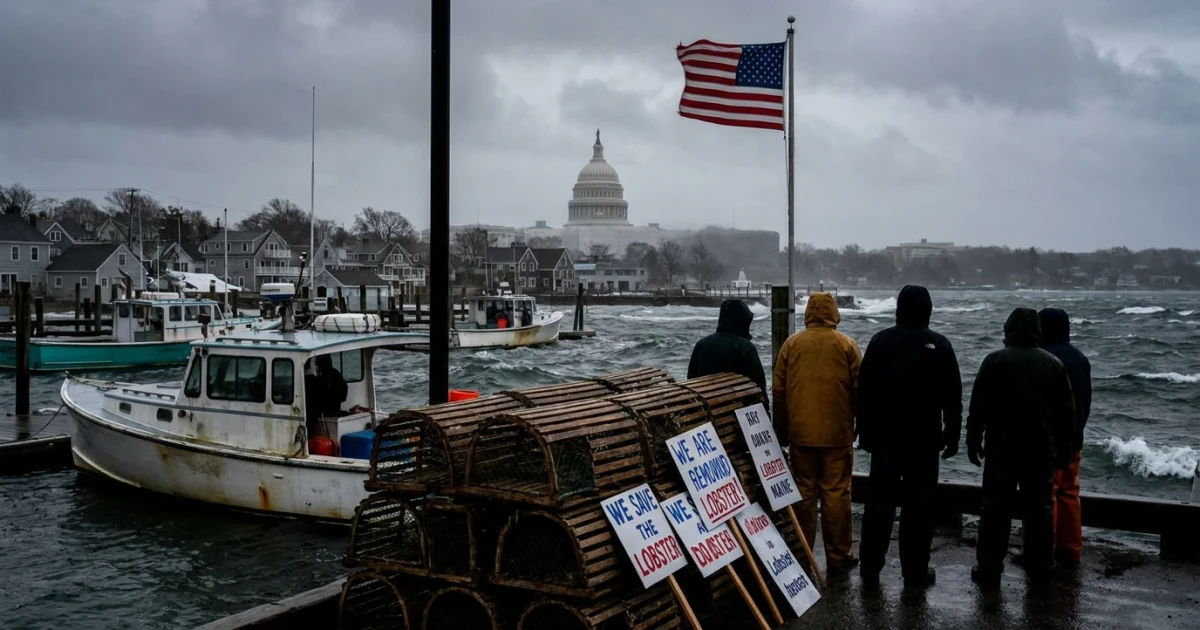
Maine’s lobster industry, a cornerstone of the state’s economy and cultural identity, is at the center of a political storm as fishery protests threaten to reshape the 2026 Senate races. The so-called 'lobster revolt' is drawing national attention, creating new hurdles for Donald Trump’s Republican Senate candidates and raising questions about the intersection of coastal livelihoods and federal policy.
The Roots of the Lobster Revolt
The unrest among Maine’s lobster fishers stems from mounting frustration with federal regulations and perceived neglect by politicians in Washington. According to the Maine Department of Marine Resources, lobster is not only Maine’s most valuable fishery but also a critical driver of employment, supporting thousands of jobs across harvesting, processing, and export. However, recent regulatory changes—primarily aimed at protecting endangered North Atlantic right whales—have imposed costly gear restrictions and seasonal closures, sparking anger among fishers who argue these measures threaten their livelihoods.
- Lobster landings have averaged over 100 million pounds annually in recent years, generating hundreds of millions in revenue.
- The fishery directly and indirectly supports thousands of Maine jobs, from boat crews to seafood processors.
- Regulatory shifts have forced many fishers to invest in new gear and accept curtailed seasons, raising costs and uncertainty.
Political Implications for Senate Races
As the Financial Times reported, the lobster revolt is not just about economics—it’s rapidly becoming a pivotal issue in the 2026 Senate contests. Maine’s coastal communities, traditionally a political bellwether, have seen a surge in activism, with fishers staging rallies and voicing frustration at what they see as Washington’s indifference. The backlash is particularly acute among voters who supported Trump in prior elections, but who now feel abandoned by Republican candidates they perceive as failing to defend local industry interests.
Strategists warn that the revolt could cost Republicans key Senate seats if coastal voters switch allegiances or abstain from voting altogether. The Financial Times analysis suggests that Democrats have seized on the unrest, promising targeted relief and regulatory reform, while Republican incumbents struggle to distance themselves from unpopular federal policies.
Economic Stakes: Jobs and Community
The NOAA Economic Impact Report underscores the fishery’s outsized role in Maine’s economy, noting that lobster exports contribute significantly to state GDP and local tax bases. Reduced landings or diminished processing activity could ripple through coastal towns, affecting everything from schools to local businesses.
- Seafood processing employment in Maine remains a vital metric; see current employment data for trends.
- Maine’s fishing sector ranks among the top contributors to state GDP—explore GDP breakdowns for context.
Industry Voices and Policy Disagreements
While most industry groups unite in opposition to recent federal rules, there are divisions over the best path forward. Some advocate for increased investment in whale-safe technologies, others call for more aggressive political action. The Atlantic States Marine Fisheries Commission provides a resource library with scientific assessments and policy proposals, highlighting the complexity of balancing conservation with economic needs.
Looking Ahead: Political Fallout and Coastal Futures
The lobster revolt has become a litmus test for candidates seeking to represent Maine’s coastal communities, with Senate races now hinging on their ability to address fishers’ concerns. As the election approaches, both parties are under pressure to craft policies that protect the ecosystem while sustaining the economic backbone of the region.
Ultimately, the outcome will shape not only Maine’s future, but also national debates about rural economic policy, environmental regulation, and the role of government in supporting traditional industries.