Politics
Maine Senate race tightens as Susan Collins seeks sixth term
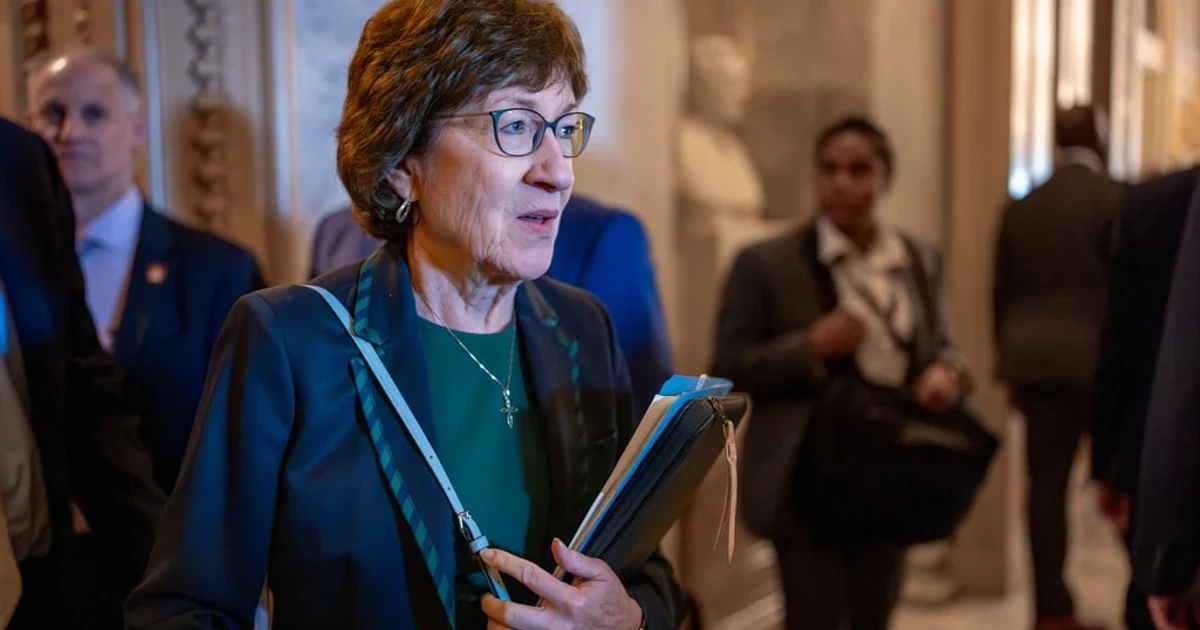
A Times and Siena College survey found Susan Collins and Graham Platner locked in a tight race for a Senate seat that could determine control of the chamber. The contest has become one of the clearest tests yet of whether Maine’s independent streak can still cut against the national red-versus-blue divide.
Collins, who first won election in 1996 and has represented Maine in the U.S. Senate since 1997, is seeking a sixth term in 2026. She has repeatedly outlasted serious challenges, winning reelection in 2002, 2008, 2014 and 2020. Her 2020 victory made her the first Republican woman to win a fifth Senate term, a record that underscores how often Maine voters have been willing to split their tickets even as the state has leaned Democratic in presidential and many statewide races.
Democrats had recruited Gov. Janet Mills to take on Collins, but Mills suspended her campaign on April 30, 2026, after facing a near-certain primary loss to Platner. Platner, an oyster farmer and military veteran running for office for the first time, won the Democratic primary on June 9, 2026. His rise has brought national attention, while also drawing scrutiny over past comments and reporting about past relationships.
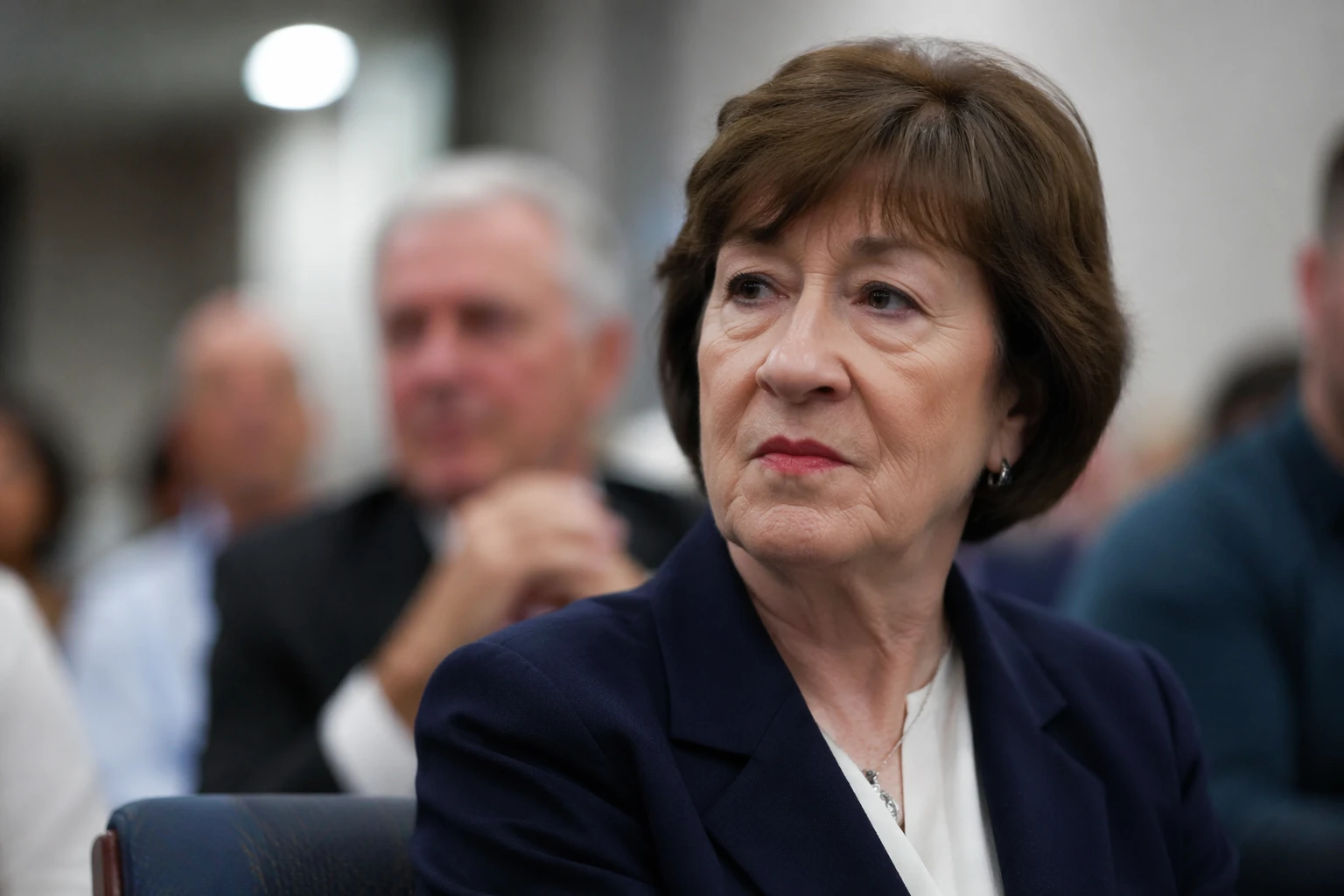
The stakes reach well beyond Augusta. Democrats see Maine as one of their best chances to flip a Senate seat as they work to win back control of the chamber, and Collins remains one of the few Republicans holding statewide office in a state that otherwise votes reliably Democratic. That combination makes the race especially sensitive to persuadable voters who are less attached to party labels than to candidate reputation, personal biography and local trust.
Maine’s election system adds another layer of uncertainty. The state was the first to approve ranked-choice voting statewide in 2016, but the system has never been fully rolled out. Maine uses ranked-choice voting in primaries and federal general elections, but not in general elections for state representative, state senator or governor. Election officials and the League of Women Voters of Maine have said the hybrid structure can confuse voters, a problem that matters most in close contests where ballot rules can shape who advances and who wins.

For Collins, the poll suggests she remains a formidable incumbent in a state that does not fit neatly into national partisan maps. For Democrats, Platner’s emergence has turned a race they once expected to center on Mills into a fresher, more volatile contest, with Senate control still in play.
Sources
- [1]nytimes.com
- [2]pressherald.com
- [3]cookpolitical.com
- [4]19thnews.org
- [5]themainemonitor.org
- [6]collins.senate.gov