US News
Major Events Shape Iran War Campaign
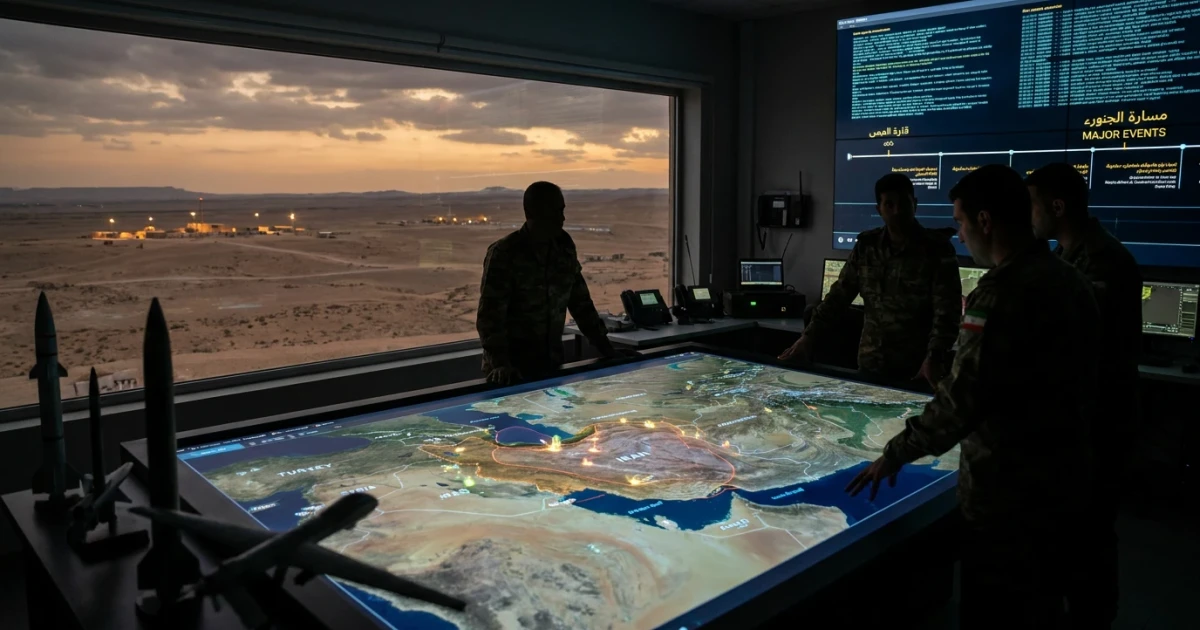
Escalating tensions between Iran, the United States, and Israel have led to a series of landmark attacks and military actions, marking a significant chapter in the ongoing regional conflict. As reported by The New York Times, these events have brought renewed attention to the broader geopolitical and military dynamics shaping the region.
Key Attacks and Military Actions
- April 2026: The U.S. and Israel launched coordinated airstrikes targeting Iran’s missile infrastructure in response to recent Iranian attacks. The strikes focused on strategic sites, including missile depots and command centers, aiming to degrade Iran’s offensive capabilities. For real-time data on these events, readers can explore the ACLED Conflict Data Dashboard.
- Iran’s Retaliation: Iran responded with ballistic missile attacks against U.S. bases in Iraq and Israeli targets, signaling its intent to maintain military pressure. These strikes were notable both for their scope and for the use of advanced missile technology, underscoring Iran’s evolving capabilities. Detailed information about Iran’s military assets and missile programs is available through the Congressional Research Service: Iran’s Military and Defense Programs.
- Diplomatic and Economic Measures: Alongside military actions, the U.S. and its allies imposed new sanctions targeting Iran’s defense and nuclear sectors. Official documentation of these sanctions and Iran’s compliance record can be accessed via the UN Security Council Sanctions Monitoring.
Timeline of Escalation
The roots of these confrontations trace back to a series of provocations and responses. The New York Times highlights:
- Early 2026: Increased Iranian support for regional proxies intensified clashes with U.S. and Israeli forces.
- March 2026: Iran’s missile attacks on U.S. assets in Iraq prompted international condemnation and a call for restraint.
- April 2026: Israel responded with targeted operations against Iranian positions in Syria, seeking to disrupt supply routes.
- May 2026: The U.S. expanded its military presence in the region, deploying additional air defense systems and naval assets.
For a comprehensive look at these developments, readers can consult the Iran Conflict Timeline on GlobalSecurity.org.
Impact on Regional Stability
Military actions have had ripple effects across the Middle East, raising concerns about the potential for broader conflict. The use of advanced weaponry and the targeting of critical infrastructure reflect a shift toward more sophisticated forms of warfare. According to the U.S. State Department’s Country Reports on Terrorism, Iran’s activities continue to challenge international security norms.
Sanctions and military pressure have also affected Iran’s economy and diplomatic standing. The UN Security Council’s monitoring reports detail the country’s compliance and violations, highlighting ongoing challenges in enforcing restrictions.
Analysis and Forward Look
While both sides have demonstrated willingness to escalate, the campaign’s future remains uncertain. The interplay of military actions, sanctions, and diplomatic efforts will likely determine whether the conflict intensifies or moves toward de-escalation. For readers seeking deeper insight into Iran’s nuclear ambitions and historical context, the Nuclear Threat Initiative: Iran Nuclear Timeline provides a chronological overview of key events.
As the situation evolves, monitoring official records and conflict data remains essential for understanding the stakes and possible outcomes in this complex regional contest.