US News
Major fires burn across the West as heat fuels danger
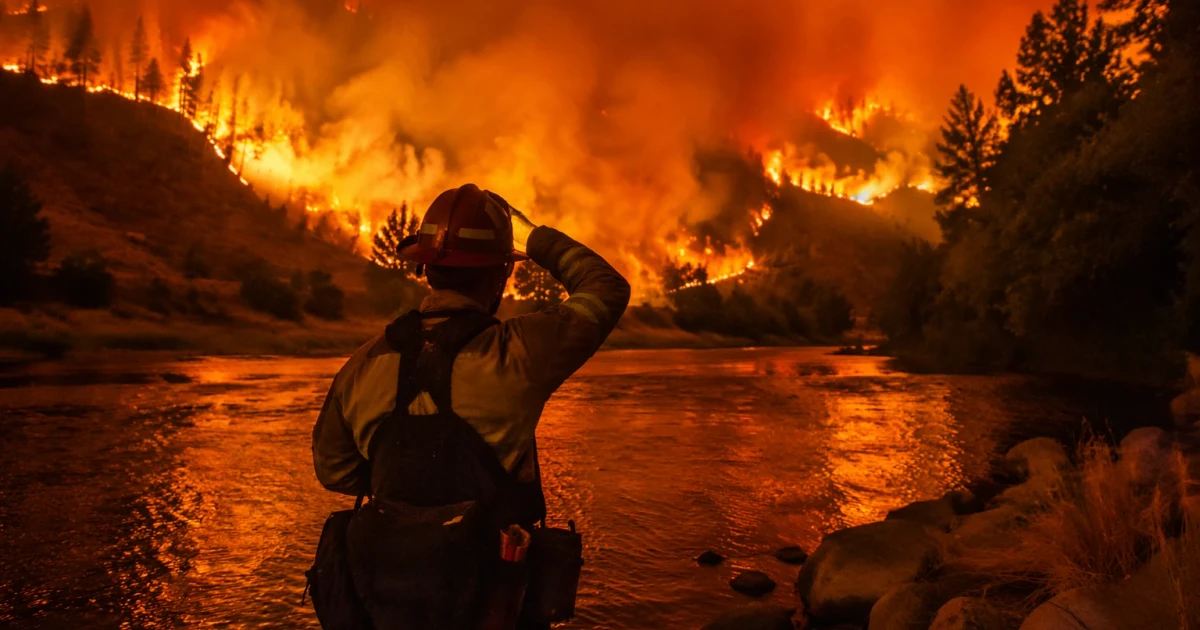
At least 70 major fires were burning across several states as extreme heat and gusty winds sharpened wildfire danger across the West. The National Interagency Fire Center said 27 uncontained large fires were burning nationwide, with nearly 5,000 personnel assigned as crews fought fires spread across the Northwest, Great Basin, Southwest and Rocky Mountain area.
The scale of the season was already running ahead of normal. The fire center said 33,349 fires had burned more than 2.6 million acres so far in 2026, exceeding the 10-year average for both the number of fires and acres burned to date. It also reported 74 new fires in one day, a sign that activity was continuing to build even as large incidents remained uncontained.
Weather conditions were adding to the strain. The National Weather Service said hazardous heat was building across the West and that fire weather concerns were present in the Southwest. Its red flag warning guidance says critical fire weather conditions are occurring now, or will shortly, when strong winds, low relative humidity and warm temperatures combine to drive extreme fire behavior.
The threat was not limited to one corridor. The weather service said heat would linger across the southern Plains and then expand westward early in the week, while warm temperatures and dry fuels, along with dry lightning in some areas, could enhance fire weather potential in the Great Basin and Intermountain West. Fire officials have warned that those conditions can turn already dry landscapes into fast-moving burn zones, especially where crews are stretched thin across multiple incidents.
The pattern points to a longer, more punishing fire season for western states, with the greatest pressure likely to fall where heat, wind and fuel dryness overlap. That means more communities facing evacuation alerts, more miles of smoke drifting across state lines, and more stress on roads, power lines and other infrastructure as large-fire activity stays concentrated in the Northwest, Great Basin, Southwest and Rocky Mountain regions.
Sources
- [1]cbsnews.com
- [2]nifc.gov
- [3]weather.gov
- [4]forecast.weather.gov