Technology
Making Wolfenstein 3D Accessible for One-Handed Play
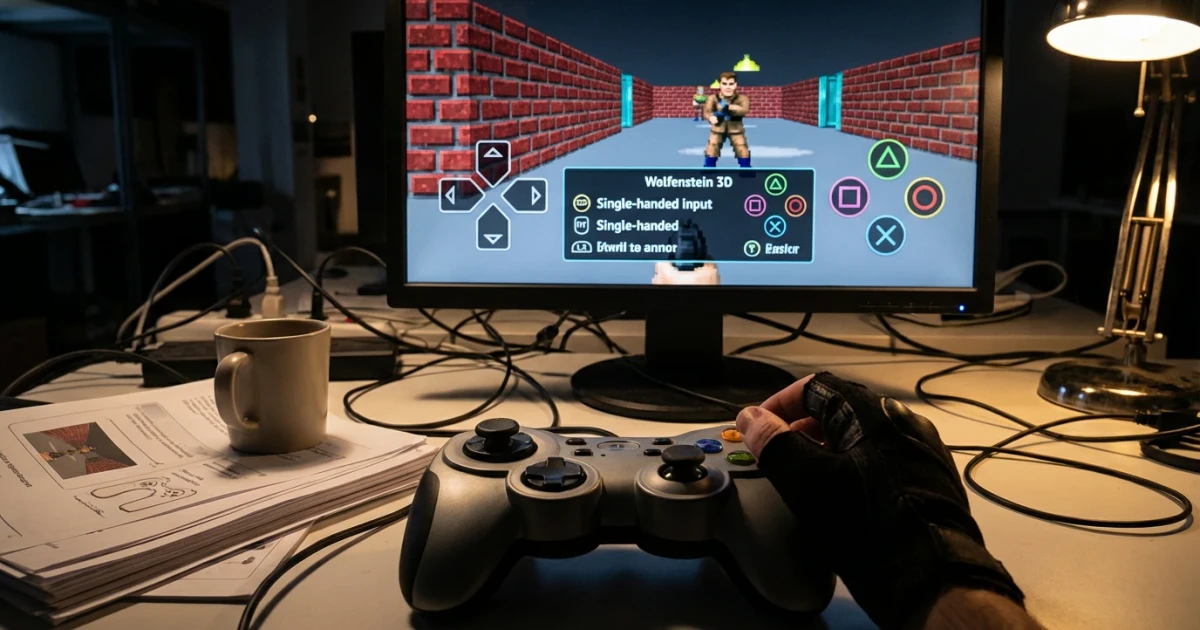
Wolfenstein 3D, the groundbreaking 1992 first-person shooter, is experiencing renewed attention as developers and enthusiasts focus on making the game accessible for one-handed play in 2026. This push reflects a broader movement toward game accessibility that is reshaping how retro and modern titles are enjoyed by players with diverse needs.
Reviving a Classic with Accessibility in Mind
Originally designed by id Software, Wolfenstein 3D popularized the first-person shooter genre and set technical standards for its time. With its open-source release, the game's source code has enabled the community to modify and adapt it over the years. In 2026, attention has turned to one-handed play—an accessibility frontier that both modern and retro games are striving to address.
Making the game playable with one hand involves rethinking input schemes, remapping controls, and sometimes modifying the game engine itself. These adaptations are essential for players with limited mobility in one hand or arm, and they align with industry-wide accessibility standards such as the Accessible Rich Internet Applications (WAI-ARIA) 1.2 guidelines, which inform best practices for interactive software.
Technical Solutions for One-Handed Gaming
- Control Remapping: Customizable key bindings allow players to assign movement and action commands to accessible keys, making it possible to play with a single hand. This is particularly important for games like Wolfenstein 3D, which originally relied on multiple keyboard and mouse inputs.
- Adaptive Hardware: Devices such as the Microsoft Adaptive Controller and other specialized peripherals offer alternative input methods. These controllers support various configurations that can be tailored for one-handed use.
- Software Modifications: The open-source nature of Wolfenstein 3D enables developers to create mods that streamline gameplay features, such as auto-fire or simplified aiming, further lowering barriers for one-handed players.
According to a recent analysis, these solutions are increasingly common in both the indie and AAA game sectors, but retro titles pose unique challenges due to their original design constraints.
Broader Trends in Inclusive Game Design
The movement to make games like Wolfenstein 3D accessible is part of a wider industry shift. Modern game accessibility initiatives often reference resources like the Game Accessibility Guidelines, which recommend features such as input remapping, clear visual cues, and the option to adjust gameplay speed. While newer titles often integrate these features from the outset, classic games require creative adaptations.
Developers and accessibility advocates argue that these efforts do more than just open games to new audiences—they also extend the lifespan and cultural relevance of classic titles. As more fans revisit or discover Wolfenstein 3D, ensuring everyone can play is seen as both a technical challenge and a moral imperative.
Looking Ahead
As the community continues to adapt Wolfenstein 3D for one-handed play, the project serves as a case study for how accessibility can be achieved even with decades-old technology. With ongoing advances in adaptive hardware, open-source collaboration, and industry standards, the future looks promising for gamers seeking inclusive experiences—whether with modern blockbusters or retro classics.