Science
Malawi installs southern Africa’s only utility-scale battery storage system
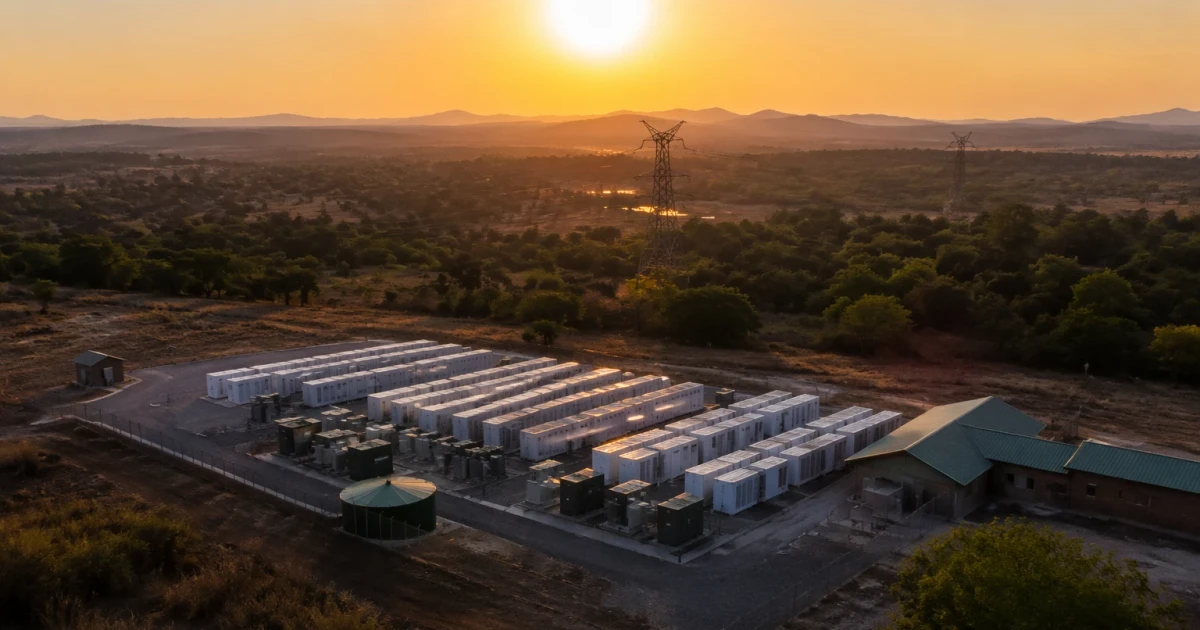
Malawi has installed its first utility-scale battery storage system, a 20-megawatt facility in Lilongwe built to hold renewable power and release it when the grid needs it most. The project gives southern Africa its only utility-scale battery storage system outside South Africa and Namibia, a rare piece of infrastructure in a region where power cuts still shape daily life.
The battery matters because renewable energy is only useful when electricity can be stored and delivered at the right moment. Utility-scale storage helps smooth swings from solar and wind generation, reduces blackouts and keeps existing power from going to waste when supply briefly exceeds demand. In Malawi, that has direct consequences for households and for institutions that depend on steady electricity, including schools, hospitals, farms and factories.
The installation also fits a wider shift in energy policy across lower-income countries, where governments are increasingly pairing renewables with storage instead of waiting for large fossil-fuel plants or expensive grid expansions. That approach can support cleaner power while easing pressure on strained transmission systems, and it can also make projects more attractive to development financiers, clean-energy investors and private-sector partners. Malawi’s battery is modest by the standards of richer markets, but it shows that utility-scale storage is no longer limited to the wealthiest grids.
The need is acute. Only a quarter of Malawi’s population has access to electricity, leaving the country among the least electrified in the world. With a power system that relies on a mix of hydropower, solar and imported fuels, storage gives policymakers another way to manage volatility without building immediate backup capacity from fossil fuels.
Malawi is not stopping at one site. Plans are already in place to add three more battery storage facilities to store renewable energy, a sign that officials see the Lilongwe project as more than a one-off pilot. If the system helps stabilize supply and reduce outages as intended, it could become a template for other African countries trying to expand clean power without locking themselves into costly backup generation.
Sources
- [1]reuters.com
- [2]x.com
- [3]reutersconnect.com
- [4]facebook.com
- [5]linkedin.com