World
Malaysia Aviation Group tightens drug testing after pilot detention
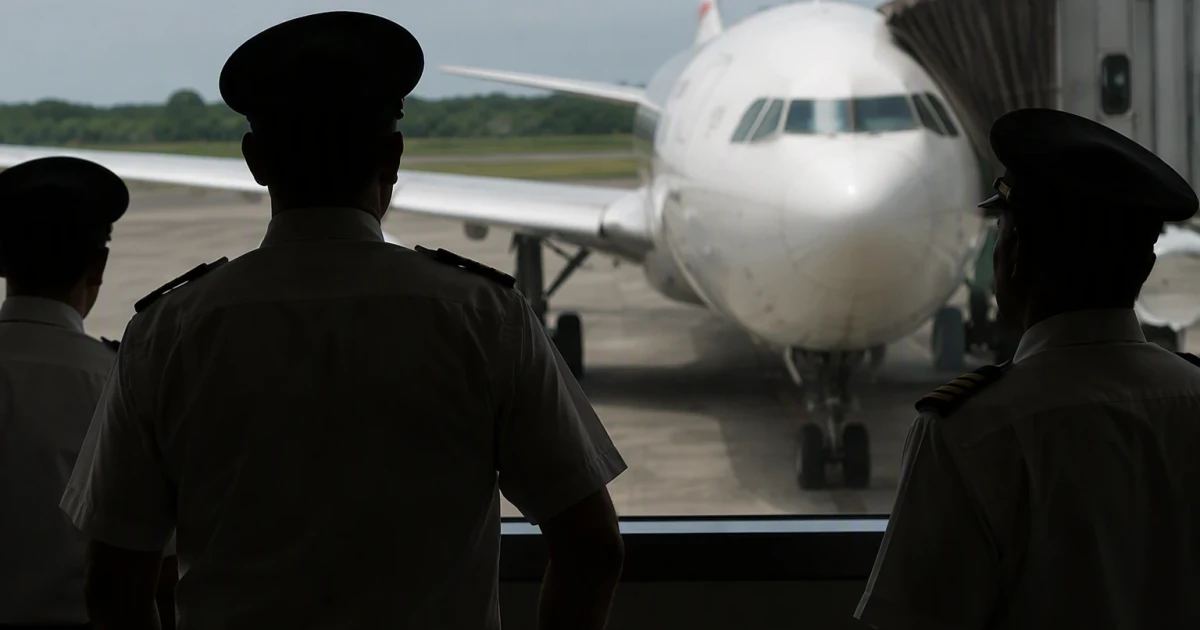
Malaysia Aviation Group ordered mandatory drug testing and stricter screening for pilots after the detention of a Malaysian pilot in Jakarta exposed a glaring trust problem in cockpit oversight. The first phase covers all 1,260 Malaysia Airlines pilots and is due to be completed by August 15, with any pilot who misses the deadline barred from flying until cleared under group procedures and regulatory rules.
The trigger was a July 31 arrest in Indonesia of a 39-year-old Malaysian pilot accused of smuggling 26 kilograms of MDMA into Jakarta while on the job. Indonesia Customs and Excise said the pilot was under the influence of drugs, and later reporting said investigators alleged he was carrying more than 70,000 ecstasy pills in his suitcase. Malaysia’s government responded by ordering immediate tightening of airport security, including police deployments alongside aviation security teams.
The Civil Aviation Authority of Malaysia has also moved the case into a regulatory lane, examining whether there were lapses before the pilot departed Malaysia and whether airline compliance and airport screening procedures were adequate. Datuk Captain Norazman Mahmud, the authority’s chief executive, said the incident would be assessed from a regulatory perspective, underscoring that the scrutiny now extends beyond one detainee to the systems meant to keep an impaired pilot out of the cockpit.
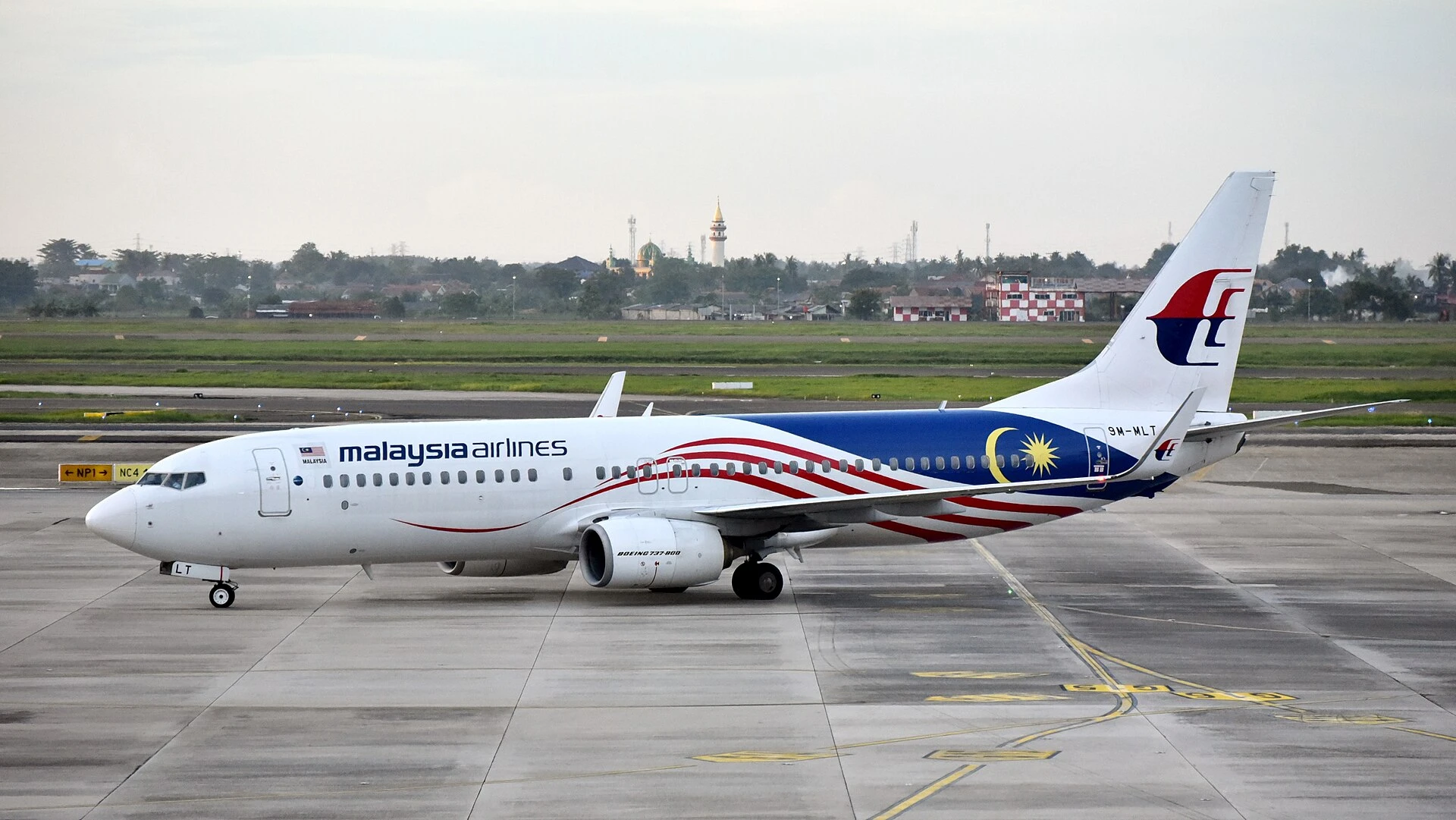
Malaysia Aviation Group’s response aligns with the stricter end of international aviation practice. The International Civil Aviation Organization’s standards prohibit licensed aviation personnel from operating under the influence of psychoactive substances, and in the United States the Federal Aviation Administration’s 2026 rules set minimum random testing rates at 25 percent for drugs and 10 percent for alcohol for covered aviation employees. MAG said it would expand mandatory screening to all active pilots and later widen its random testing programme to active cabin crew, a sign that the carrier is treating substance testing as part of a broader safety culture rather than a one-off disciplinary move.
The question now is whether the new regime fixes a real weakness or mainly reassures passengers after a public shock. Mandatory testing can catch impairment and deter use, but the case also raised a harder issue: how a pilot allegedly cleared multiple layers of checks before reaching the aircraft. Aviation history shows how fast trust can fracture after a single high-profile breach, whether in misconduct cases involving an Air Canada pilot arrested for flying without a proper license or a Delta co-pilot removed from a flight in San Francisco on child sex charges. For Malaysia Aviation Group, the test will be whether tighter screening becomes a durable control, not just a visible response.
Sources
- [1]reuters.com
- [2]malaymail.com
- [3]youtube.com
- [4]theedgemalaysia.com
- [5]thestar.com.my