World
Malaysia says Balaji Srinivasan's digital nomads had valid documents

Malaysia’s Immigration Department said 266 foreigners linked to Balaji Srinivasan’s Network School had valid immigration documents, a finding that narrowed one part of the dispute while leaving broader questions about permit conditions and identity checks open. The department said the group represented 40 countries and that further checks were still under way to determine whether all other legal requirements had been met.
The scrutiny began after social media allegations that Israelis were living at the community in Forest City, Johor, and had entered Malaysia on passports from other countries. That distinction mattered in a country that bars Israeli passport holders and has no diplomatic relations with Israel, but does not have a specific law banning Israelis who travel under another nationality. Malaysian officials therefore faced a border-enforcement question rather than a simple nationality test: whether the people in Forest City were in the country legally and under the correct conditions.

Johor Menteri Besar Onn Hafiz Ghazi called for a comprehensive investigation on July 14, saying the state would not allow any organization to use Johor as a base for activities that went against the law, sovereignty or the interests of Johor and Malaysia. Prime Minister Anwar Ibrahim then escalated the political stakes further, saying Israeli nationals found in Malaysia would be deported immediately. The issue moved quickly from an immigration inspection into a test of how Malaysia handles a sensitive mix of national security, regional politics and public anger over the war in Gaza.
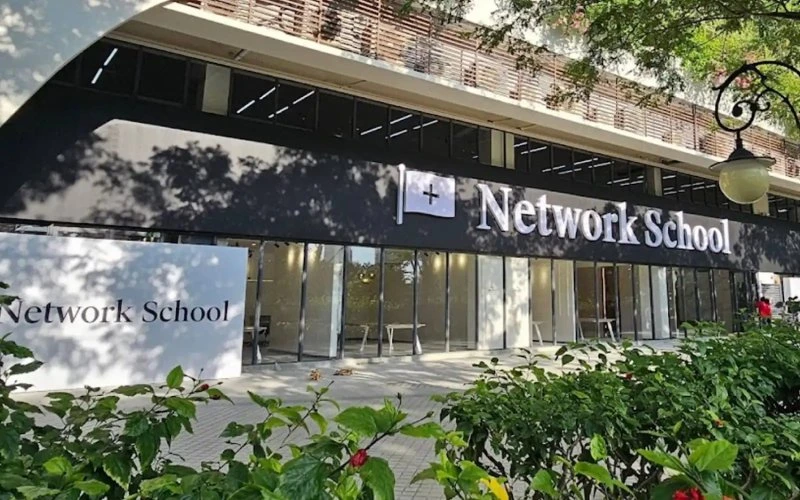
Srinivasan founded The Network School in 2024 and has described it on his own site as an internet-first institution and frontier community intended to turn online communities into physical startup societies. The project says fellows relocate for a year to a campus near Singapore, and Forest City fits that pitch as a reclaimed-land development in Johor that has been described as a roughly US$100 billion project. The school’s own material says it drew more than 4,000 applications from more than 80 countries for 128 slots in 2025, underscoring the appeal of its global mobility message even as that same mobility now draws official scrutiny.
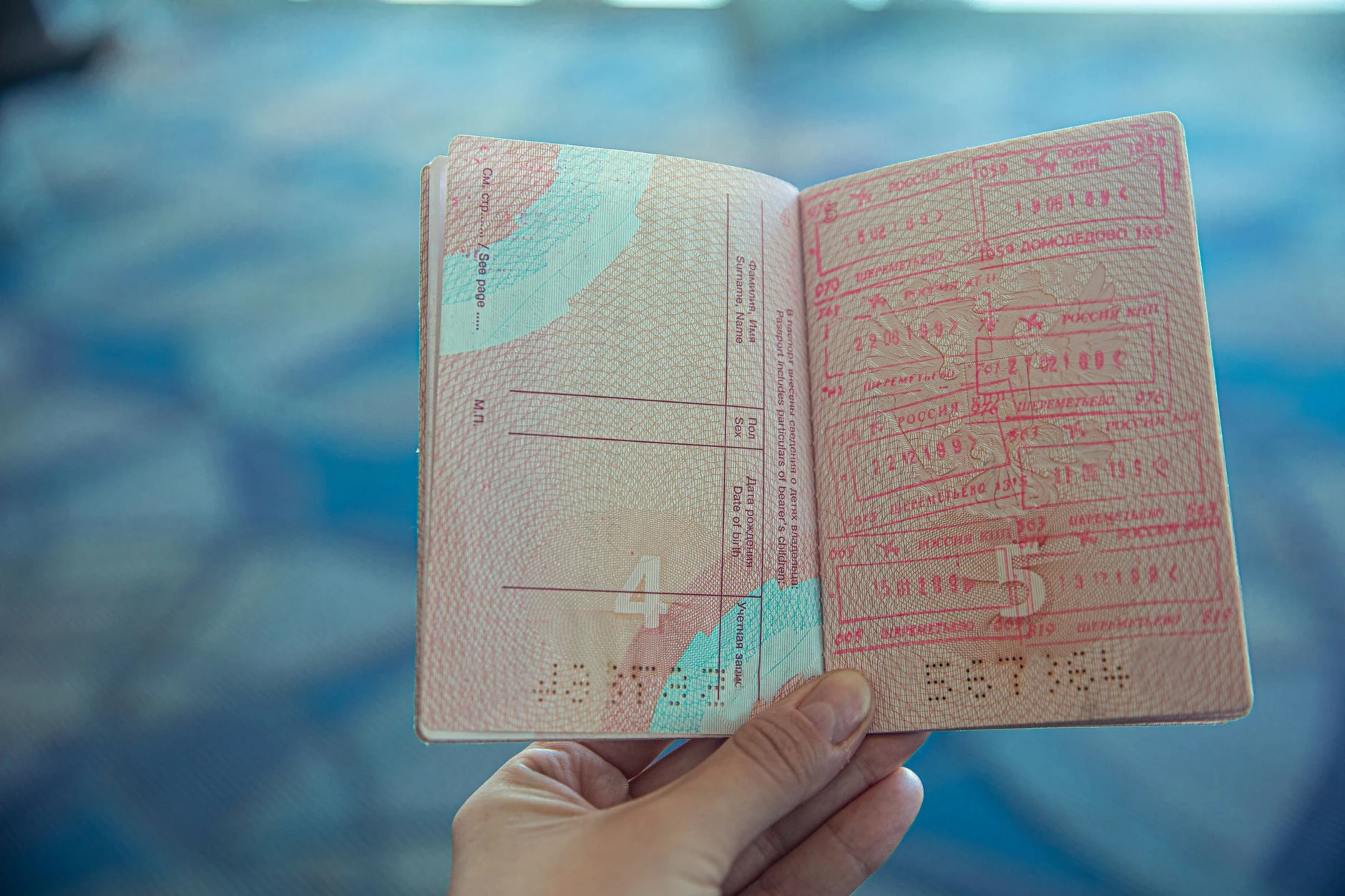
For Malaysia, the episode exposed a familiar fault line: the country can inspect papers and verify documents, as it said it did in Forest City, but it must still decide how far private transnational communities can push the limits of work authorization, local oversight and political sensitivity before the state intervenes.
Sources
- [1]usnews.com
- [2]malaymail.com
- [3]thestar.com.my
- [4]balajis.com