Technology
Malaysia seizes $12.9 million in smuggled AI chips at airport
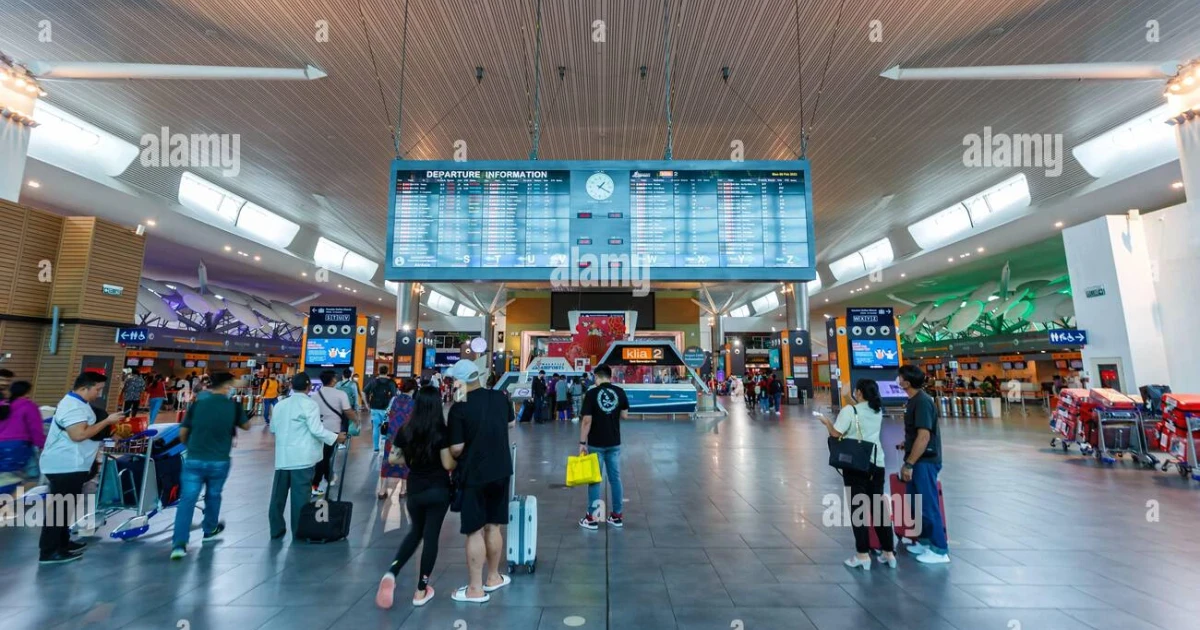
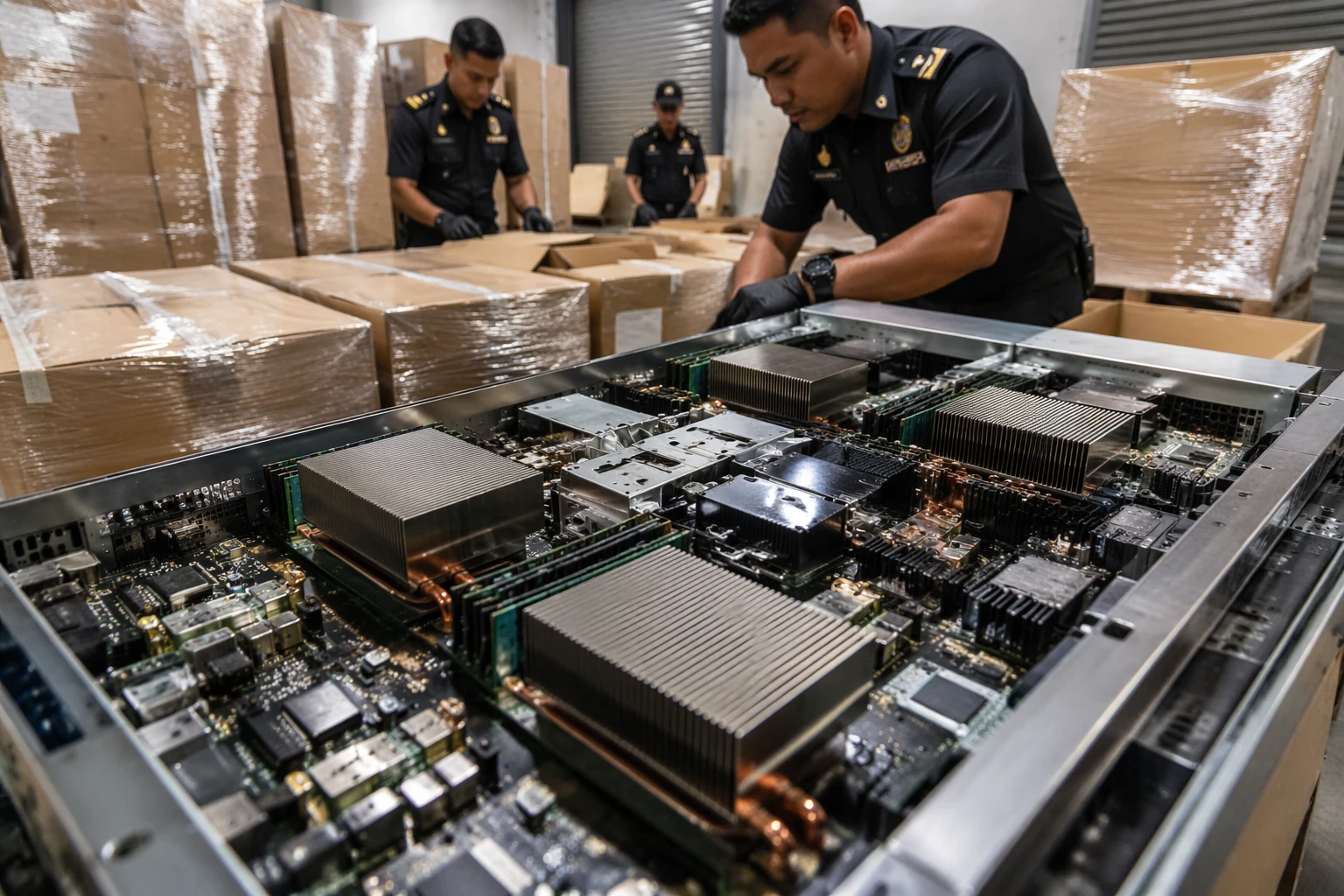
Malaysia’s customs department said it stopped a shipment of 72 server units containing advanced artificial intelligence chips worth 52.9 million ringgit, or about $12.93 million, at Kuala Lumpur International Airport. The cargo had been declared as computer components, and customs director Zulkifli Muhammad said it was meant to be re-exported to another Asian country, a move that would have required a permit under Malaysia’s trade rules.
The inspection took place on June 5 in the airport’s free trade zone, where officers said the declaration was designed to disguise the cargo and avoid scrutiny. The department has called in a Malaysian company that helped facilitate the shipment as part of the investigation. The seizure adds another data point to the widening effort by governments to track advanced chips as they move through transit hubs that can obscure their final destination.
Malaysia tightened the screws on that trade route last year. On July 14, 2025, the Ministry of Investment, Trade and Industry said all exports, transshipment and transit of high-performance AI chips of U.S. origin require a Strategic Trade Permit under Section 12 of the Strategic Trade Act 2010. The ministry described that section as a catch-all control for items not expressly listed in the Strategic Items List, a move meant to close gaps while Malaysia reviews whether those chips should be formally added to the list.
The case underscores why Malaysia has become a chokepoint in the global cat-and-mouse game over AI chip controls. Advanced server hardware is essential for training AI models and expanding data centers, and demand for Nvidia-class systems has pushed more of that trade into complex regional supply chains. That complexity makes enforcement harder when cargo is routed through hubs like Kuala Lumpur rather than shipped straight to a final customer.
Reuters had previously reported that Malaysia investigated allegations that a Chinese company in the country was using Nvidia-equipped servers for AI development, though officials found no illicit trade then. The new seizure landed as Malaysia’s AI ambitions continued to attract foreign capital, with ByteDance saying in June 2025 that it planned to invest around 10 billion ringgit, or about $2.13 billion, to build an AI hub in the country. For regulators, that mix of legitimate investment and suspect transshipment keeps the pressure on Malaysia’s airports, customs posts and permit system.
Sources
- [1]srnnews.com
- [2]miti.gov.my
- [3]theedgemalaysia.com
- [4]straitstimes.com
- [5]marketscreener.com