Health
Malaysian scientists discover hyperparasite fungus in Borneo jungle
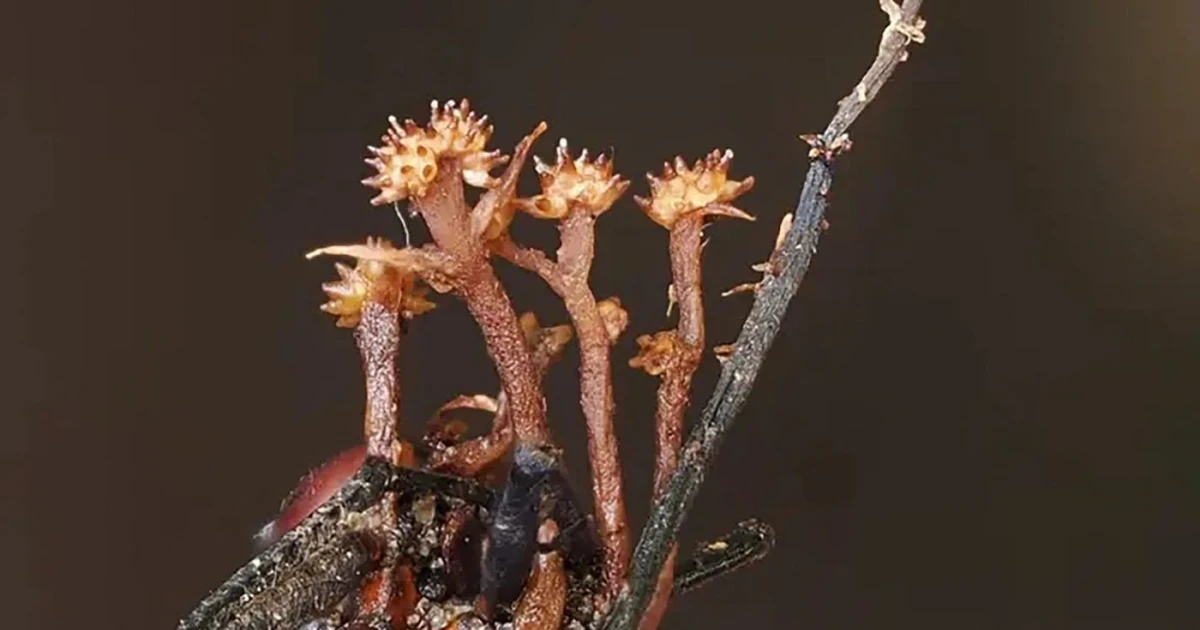
Deep in Sabah’s Borneo forests, Malaysian scientists found a fungus that does not just attack insects. It attacks the fungus that kills the insects first, a biological double strike that puts a new layer into the struggle for survival inside tropical ecosystems. The organism was later confirmed as Pleurocordyceps cornusynnemata, a new species collected during multiple field trips by Universiti Malaysia Sabah’s Institute for Tropical Biology and Conservation.
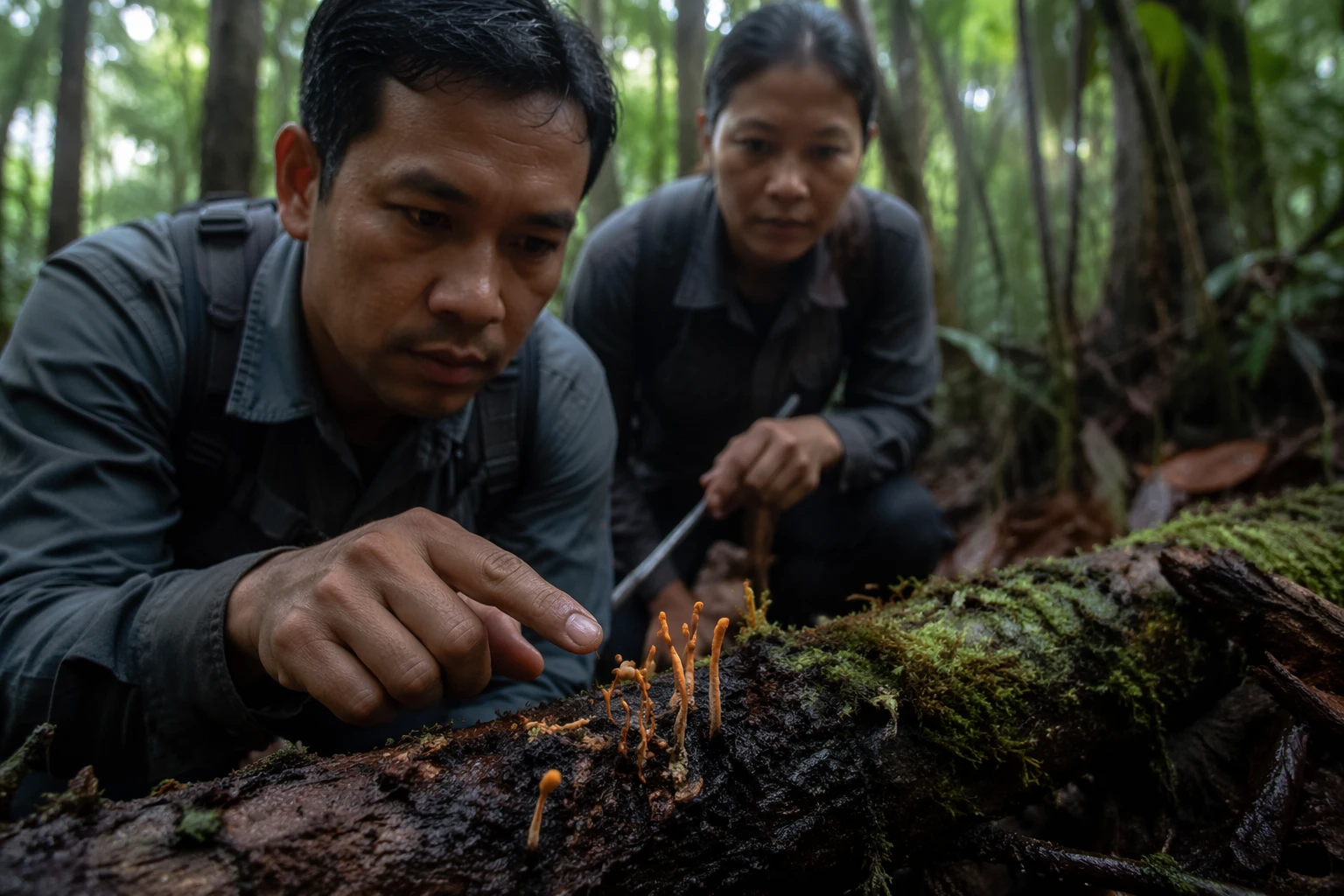
The team led by Associate Professor Dr Jaya Seelan Sathiya Seelan identified the fungus as a hyperparasite, meaning it parasitizes another parasite. In this case, the target is the so-called zombie fungus, a group known for infecting insects before driving them to a gruesome death. The discovery was reported from Danum Valley in Sabah and was later published in the taxonomy journal Phytotaxa, adding a fresh branch to a genus that scientists have only recently begun to map in detail.
UMS said the new species stands out because of its horn-like structure, a feature that separates it from 26 other Pleurocordyceps species previously recorded in China, Thailand and Japan. That distinction matters for taxonomy, but it also matters for ecology. A fungus that can prey on another fungus suggests that tropical forests contain far more intricate checks and balances than researchers can see from the canopy or the forest floor alone. Each new species helps scientists trace how pathogens, hosts and competitors interact to regulate insect populations and fungal diseases.
The broader genus Pleurocordyceps was established in 2021, and a 2026 taxonomy paper said it had grown to 24 accepted species as of 9 February 2026. UMS said the Sabah material added to that expanding record and reinforced Malaysia’s standing as a global biodiversity hub, while also underscoring how much of Sabah’s natural heritage remains undocumented. The work formed part of PhD research by Muhammad Shahbaz, reflecting the long-term biodiversity research effort underway in the state.
Researchers say fungi in this group may have future use in next-generation antimicrobial drug discovery and as biocontrol agents against agricultural pests. For now, the discovery offers something more immediate: evidence that in Borneo’s forests, even a parasite has a parasite, and that hidden hierarchy may hold clues to how ecosystems defend themselves.