World
Maldives Cave Dive Tragedy Claims Rescue Diver
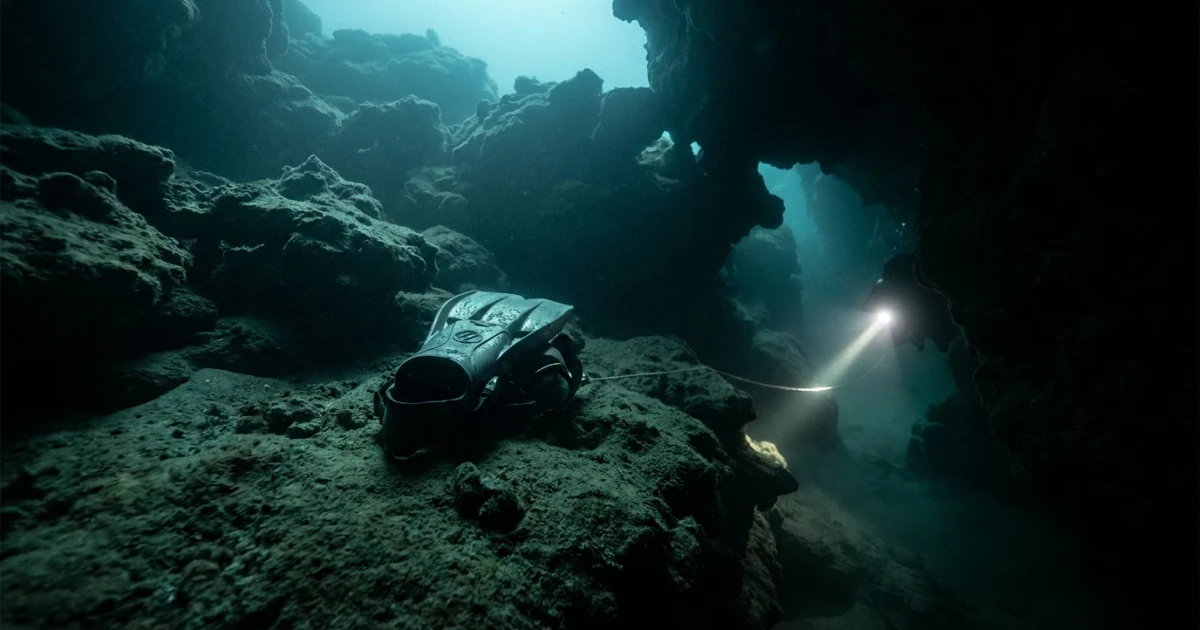
A rescue diver has died while searching for the bodies of four Italian tourists who drowned in an underwater cave in the Maldives, a tragic incident that underscores the perilous nature of cave diving and rescue missions in the region. The diver was part of an emergency response team mobilized after the four Italians failed to resurface during a recreational dive in a remote area known for its intricate cave systems, according to reporting by the BBC.
Incident Overview
The search operation was launched after four Italian divers went missing while exploring a submerged cave. Local authorities and specialized rescue teams responded promptly, deploying trained personnel to navigate the hazardous underwater environment. Despite their efforts, the rescue diver lost his life in the course of the recovery mission, illustrating the extreme risks involved in cave diving, especially during search and rescue efforts.
Risks of Cave Diving Operations
Cave diving is widely regarded as one of the most dangerous forms of recreational diving due to limited visibility, complex navigation, and the threat of entrapment. According to analysis of cave diving risks, fatalities often occur when divers become disoriented, run out of air, or encounter unexpected obstacles. Rescue operations in these environments amplify the dangers as divers must enter unfamiliar terrain, often under time pressure and adverse conditions.
- The Maldives has reported a steadily high drowning death rate in recent years, with water-related incidents being among the top causes of accidental fatalities.
- International protocols for underwater rescue are outlined by the International Maritime Organization, emphasizing the need for specialized training and equipment for such operations.
Search and Rescue Challenges
The Maldives' cave systems present unique challenges for search and rescue teams. The islands' geography creates deep, narrow passages where visibility and access are limited. According to the BBC, the rescue diver was part of an elite team with experience in underwater recoveries, yet even seasoned professionals face significant hazards. The Divers Alert Network Annual Diving Incident Reports note that fatalities among rescue divers, while rare, often stem from compounded risks during multi-casualty incidents.
- Factors contributing to rescue diver fatalities include exhaustion, equipment malfunction, and rapid changes in underwater conditions.
- Peer-reviewed research on fatal drowning epidemiology highlights that rescue attempts can double the risk for responders, especially in confined underwater spaces.
Impact and Response
This incident has prompted renewed scrutiny of safety protocols for recreational and rescue diving in the Maldives. Local authorities have called for stricter regulations and improved training standards. The Maldives Red Crescent regularly publishes data on water-related disasters, noting that such incidents are both a public health and tourism concern.
Efforts are underway to recover the bodies of the Italian tourists and the fallen rescue diver. The tragedy has drawn condolences from officials and sparked calls within the diving community for greater awareness of cave diving risks and advanced safety measures.
Global Context
The incident is part of a broader pattern of cave diving fatalities worldwide, as discussed in numerous drowning data and statistics resources. Cave dives require specialized training, equipment, and risk assessment protocols, which are often lacking among recreational divers. Experts have emphasized the need for public education and regulated access to hazardous underwater sites.
Looking Ahead
This tragic event in the Maldives serves as a stark reminder of the risks faced by both recreational and professional divers. As authorities review current practices and consider improvements, the diving community is likely to see enhanced training requirements and stricter controls on cave diving access. For tourists and locals alike, understanding the dangers and respecting safety guidelines will be crucial in preventing future tragedies.