World
Mali Defense Chief Killed Amid Surge of Rebel Attacks
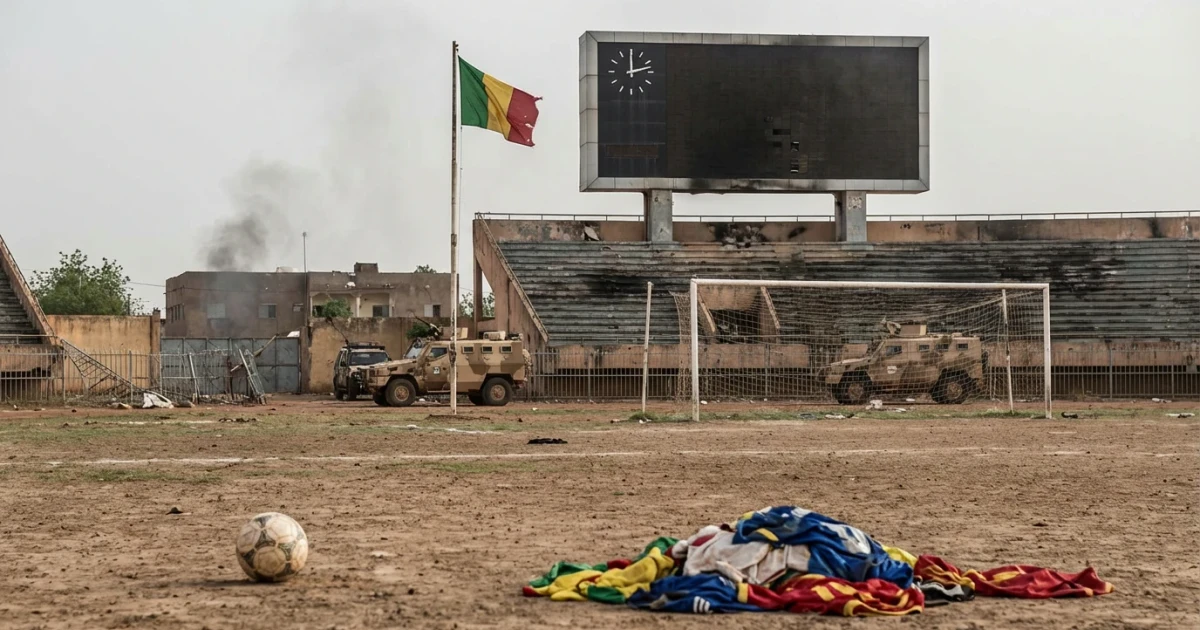
Mali is facing a renewed surge of violence after its defense chief was killed in an attack that saw jihadist and rebel groups seize multiple towns and military installations, according to AP News. The incident underscores the persistent instability gripping the West African nation, with government forces struggling to contain armed actors amid a complex conflict landscape.
Escalation of Violence and Strategic Losses
The fatal attack on Mali’s defense chief occurred as coordinated assaults targeted military bases and key towns. Jihadist fighters and rebel groups reportedly overran several strategic locations, dealing a significant blow to the country’s security apparatus. This episode is part of a wider pattern of violence documented by the ACLED Dashboard, which tracks conflict events across Mali. Recent data shows a marked increase in attacks, fatalities, and the movement of armed groups, particularly in the northern and central regions.
- Multiple towns and military bases seized: Rebel and jihadist forces captured several locations, further destabilizing government control.
- Senior leadership targeted: The killing of the defense chief is seen as both a tactical and symbolic setback for Mali’s military command.
- Displacement and humanitarian concerns: The violence has contributed to rising numbers of internally displaced persons, as highlighted in the Mali Humanitarian Snapshot (May 2024).
Background: Persistent Instability and Armed Actors
Mali’s security situation has deteriorated in recent years, with jihadist groups linked to al-Qaeda and ISIS, as well as Tuareg and other rebel factions, challenging government authority. The UN OCHA has repeatedly called attention to the complex humanitarian emergency resulting from ongoing conflict, which includes frequent attacks on civilians, security forces, and infrastructure.
Despite the signing of the 2015 Mali Peace Agreement, violence has persisted, with armed groups exploiting weaknesses in state control. According to the Global Terrorism Database, Mali has seen a steady rise in terrorist incidents, including attacks targeting military leadership, which are designed to undermine morale and disrupt command structures.
Impact on Military and Civilian Populations
The attack has immediate implications for Mali’s military capacity. The loss of senior leadership, combined with the seizure of bases and equipment, is likely to hamper coordinated counter-offensives. World Bank data on Mali Armed Forces Personnel shows that the country’s military has struggled to maintain adequate troop levels amid repeated losses and recruitment challenges.
- Rising civilian casualties and displacement as armed groups expand their territorial control
- Difficulty in humanitarian access to conflict-affected areas
- Further fragmentation of security forces, raising concerns about the viability of government response
Forward Outlook and Regional Implications
The latest attack signals a dangerous escalation that could trigger further instability in Mali and across the Sahel region. Analysts from the International Crisis Group warn that continued leadership losses and territorial setbacks may embolden armed groups and complicate international peacekeeping efforts.
As Mali grapples with the aftermath of this attack, the government faces mounting pressure to restore security, rebuild military capacity, and address the humanitarian crisis. Meanwhile, regional and international actors are likely to reassess their strategies in supporting Mali’s stabilization efforts.
For additional data on conflict events, humanitarian needs, and military trends in Mali, readers can explore resources from ACLED, ReliefWeb, UN OCHA, and the Global Terrorism Database.