Politics
Man arrested in south London over threat to shoot Nigel Farage
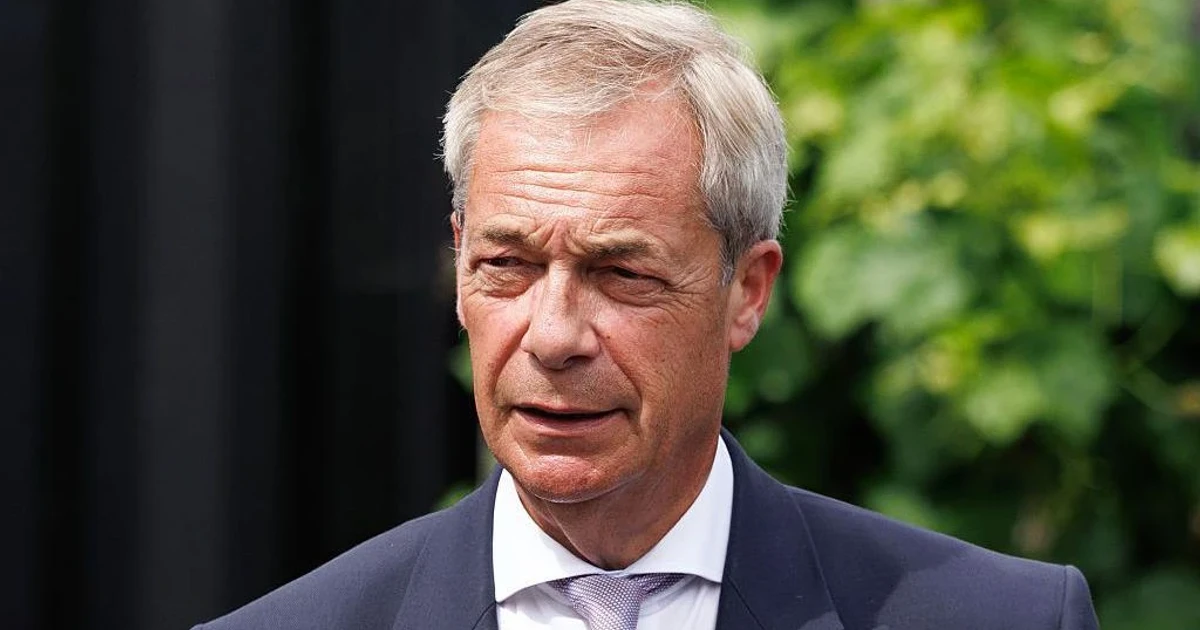
Metropolitan Police officers arrested a man in his 20s in south London on Tuesday, 14 July 2026, on suspicion of sending threatening communications to a Member of Parliament, after a social media post reported to police on 8 May 2026 allegedly threatened to shoot Nigel Farage in the head if he won. The case has sharpened the argument over how democratic politics can remain open while elected officials absorb an expanding load of online abuse and security risk.
Farage was the MP for Clacton when the alleged offence took place, though he formally resigned from Parliament last week. The Parliamentary Liaison and Investigation Team told him about the arrest on Wednesday, 15 July, and Farage said it was the first time police had ever proactively acted on a social media post about him. He also said there had been “three or four hundred” similar posts against him this year alone.
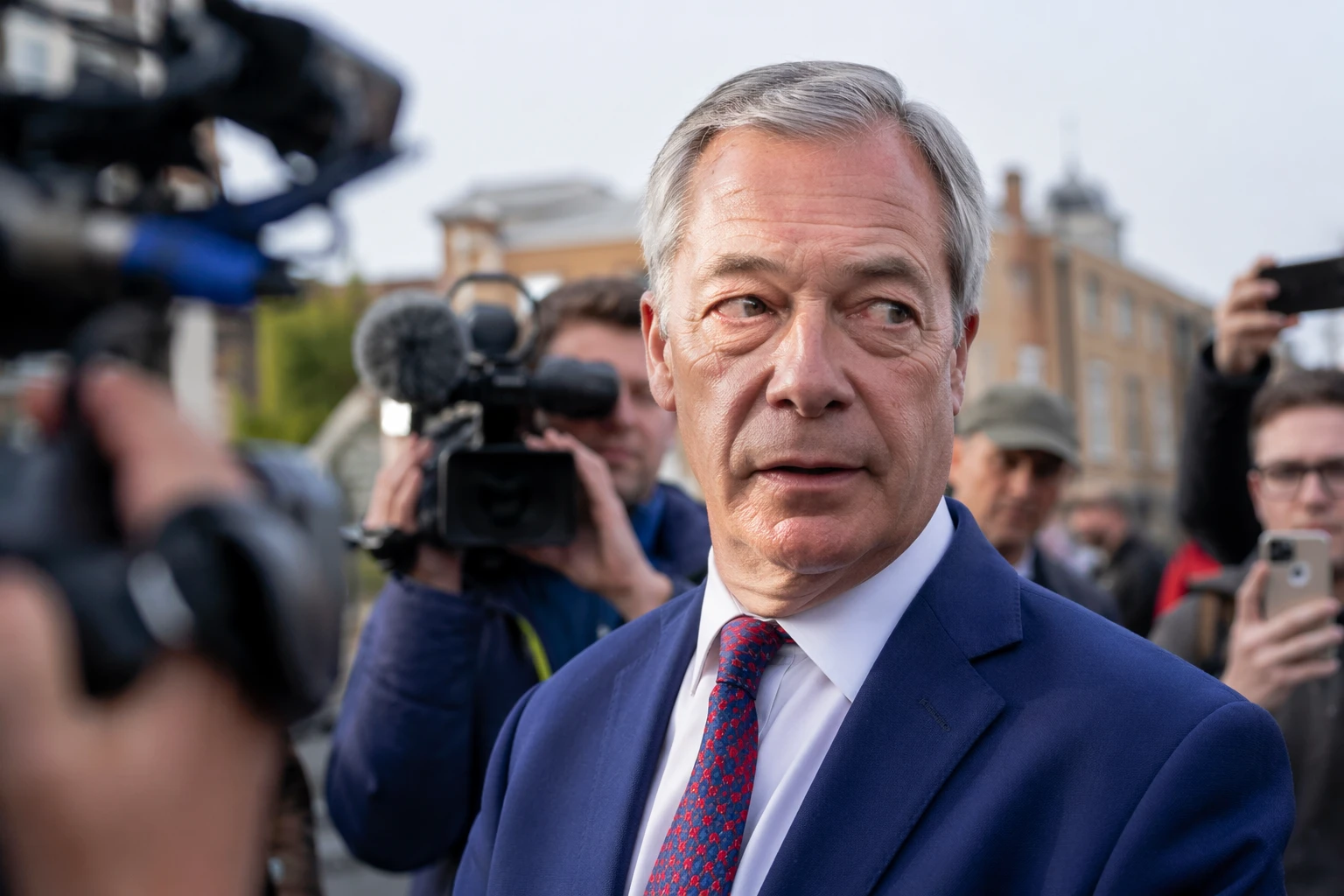
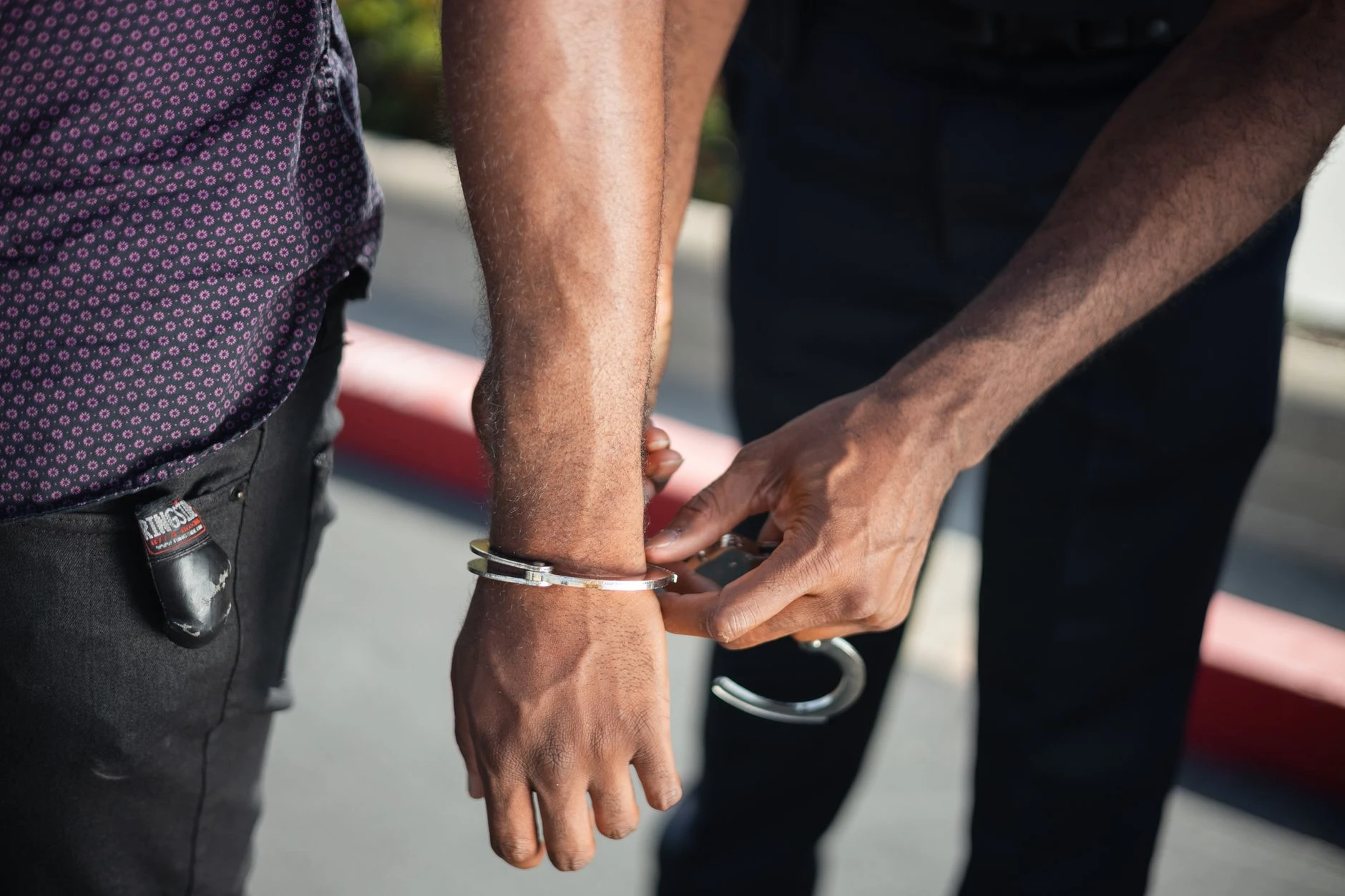
Police said the suspect was interviewed and then released on bail while inquiries continue. Officers are examining the suspect’s phones and computers as part of the investigation, a sign that the case is being treated as more than an isolated online flare-up and as part of a wider pattern of digital political intimidation.
The arrest comes as security concerns around Reform UK have intensified after the killing of Ann Widdecombe last week, which prompted the party to arrange round-the-clock security for its MPs. The strain is not confined to one party or one figure: MPs outside Westminster rely on local police forces, the Parliamentary Security Department and the Met’s Parliamentary Liaison and Investigation Team, with Operation Bridger providing each MP a named police contact since 2016.

The legal framework has also tightened. The Online Safety Act 2023 created a specific threatening communications offence covering threats of death or serious harm, and the charge can carry up to five years in prison. The Farage case now sits at the point where platform-hosted threats, police response and parliamentary protection meet, with the scale and tone of online intimidation testing how far current enforcement can stretch.