US News
Man retraces Underground Railroad route with 750-mile Freedom Walk
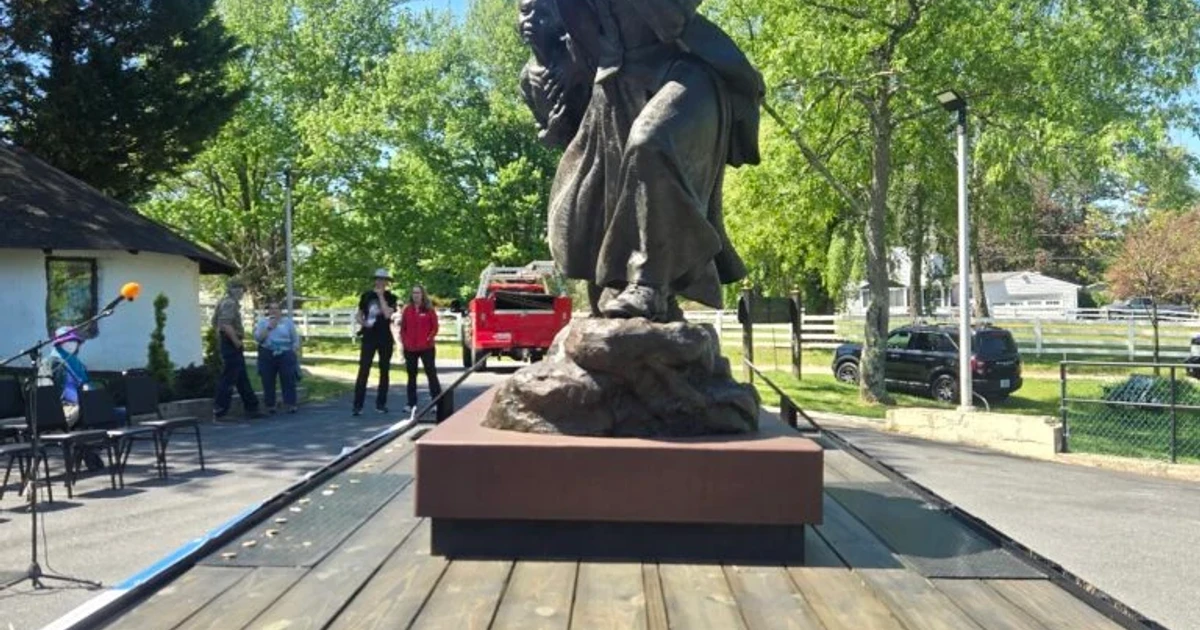
Anthony Cohen led a 750-mile Freedom Walk from Sandy Spring, Maryland, to Ontario, Canada, carrying a 2,200-pound Harriet Tubman statue along a route linked to the Underground Railroad. The walk was tied to America’s 250th anniversary and the 30th anniversary of Cohen’s first trek.
The effort lands at a moment when federal institutions are already using the semiquincentennial to spotlight founding-era and freedom-related history. Cohen’s route puts that debate on the ground, through the places where enslaved African Americans once moved toward freedom and where the record of that movement is still being preserved, marked and funded.
The National Park Service describes the Underground Railroad as a resistance movement to enslavement, not a literal railroad, that grew from late-18th-century escape efforts and became more deliberate after the Fugitive Slave Act of 1850. It involved people of many races, classes and genders, and it directed freedom seekers toward Canada, Mexico, Spanish Florida, Indian Territory, the West, the Caribbean and Europe.
That national framework now includes the Network to Freedom, created by the National Underground Railroad Network to Freedom Act of 1998. The program lists more than 800 locations across 40 states, Washington, D.C., the U.S. Virgin Islands and Canada, a map of documented sites that shows how much of this history has been identified and recognized in public memory.
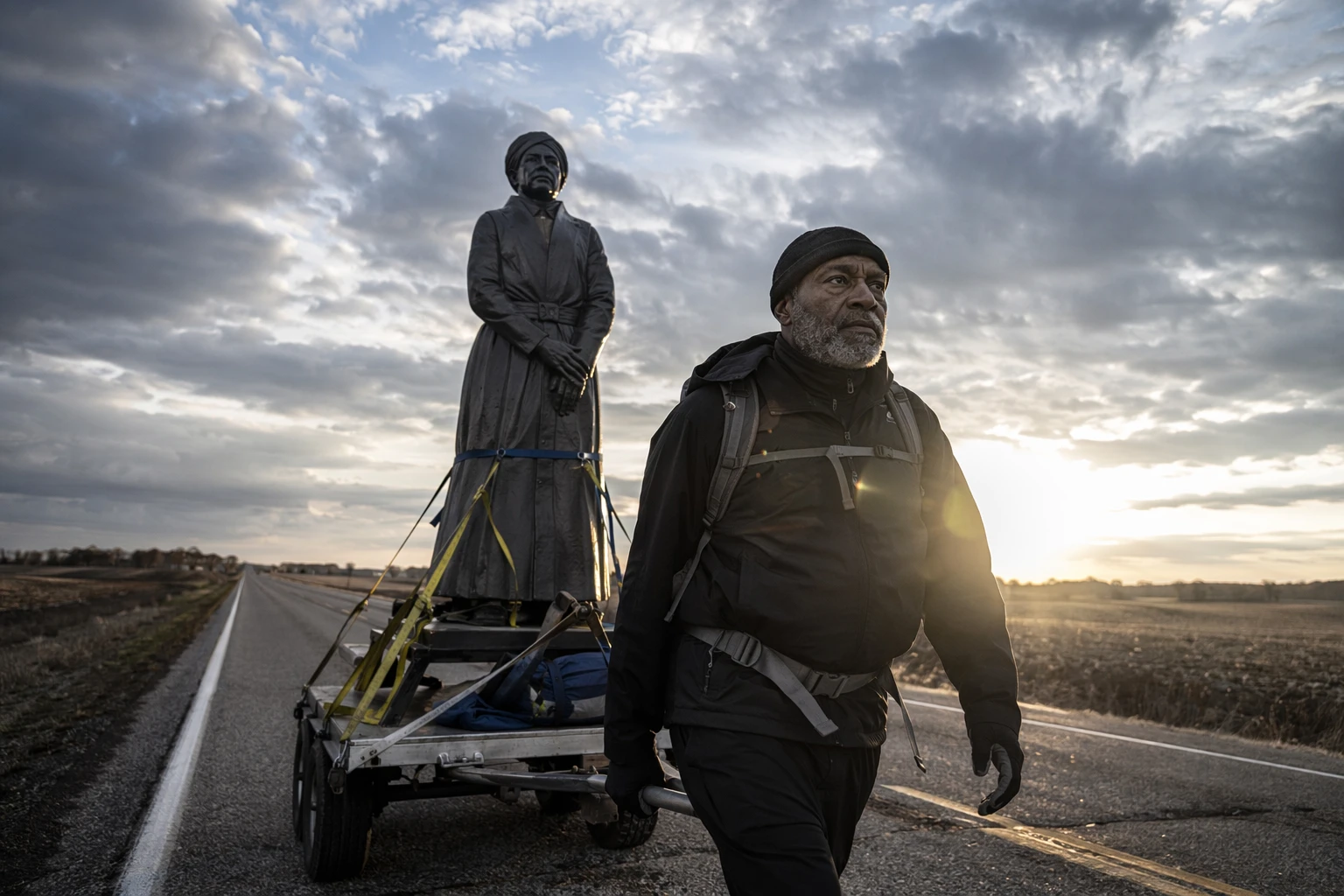
Harriet Tubman remains the best-known figure in that history. The National Museum of African American History and Culture says she was born into slavery in Dorchester County, Maryland, around 1822 and escaped in 1849. Tubman later became associated with about 13 rescue missions and roughly 70 enslaved people led to freedom, and her bicentennial in March 2022 renewed attention to her life and legacy.
The National Park Service continues to push education, preservation and public interpretation through Underground Railroad resources and webinars, as the fight over public history has become more visible ahead of 2026. Cohen’s walk linked those institutions to physical places on the map, turning commemoration into a moving test of what the country chooses to remember, and what it allows to fade.
Sources
- [1]cbsnews.com
- [2]spectrumlocalnews.com
- [3]home.nps.gov
- [4]nps.gov
- [5]nmaahc.si.edu