Health
Managing Allergy Season: Tips for Staying Symptom-Free
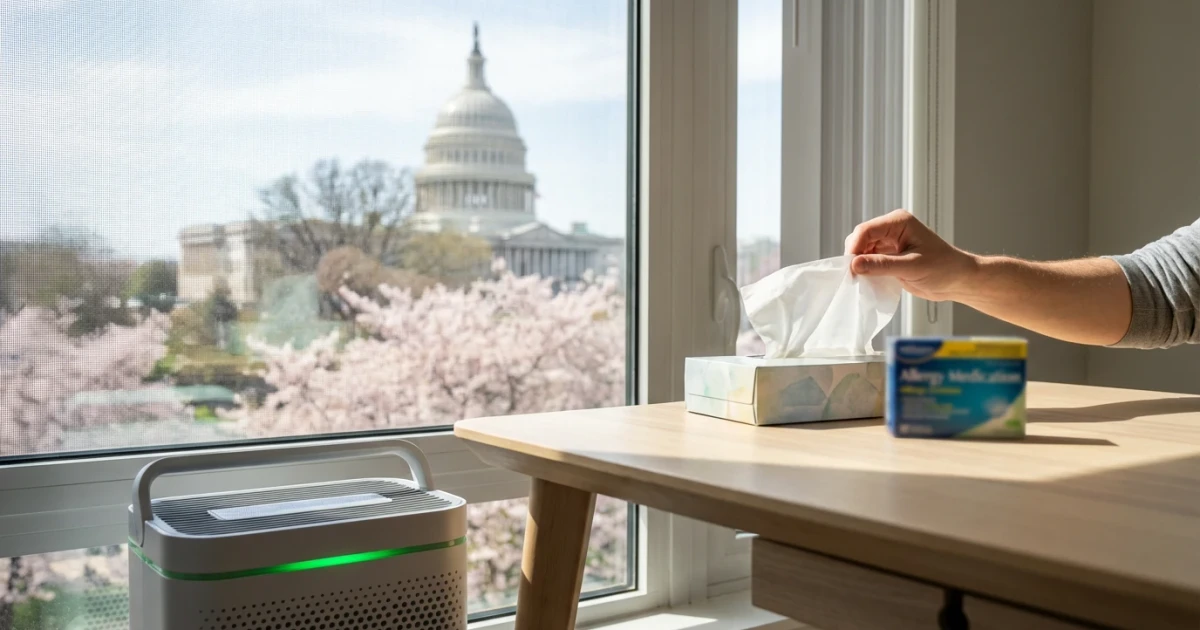
Allergy season has arrived across the United States, bringing familiar symptoms for millions of Americans. As pollen counts rise, individuals prone to seasonal allergies are searching for effective ways to manage their discomfort and reduce exposure to common triggers. This article synthesizes expert guidance and official data to help readers navigate allergy season with confidence.
Understanding the Scope of Seasonal Allergies
Seasonal allergies, also known as seasonal allergic rhinitis or "hay fever," affect a significant portion of the U.S. population each year. According to the Centers for Disease Control and Prevention, more than 50 million Americans experience various types of allergies annually, with seasonal allergies being among the most common. The Asthma and Allergy Foundation of America notes that allergies are the sixth leading cause of chronic illness in the country, contributing to billions in healthcare costs and lost productivity each year.
Why Symptoms Are Worsening
Many regions, including Maryland and other parts of the Mid-Atlantic, are seeing higher pollen counts than usual this spring. Experts attribute this to shifting weather patterns, longer growing seasons, and increased rainfall, which can all contribute to more intense pollen releases. Real-time tracking sites like Pollen.com allow allergy sufferers to monitor local conditions and plan accordingly.
Common Symptoms and At-Risk Groups
Symptoms of seasonal allergies can include:
- Sneezing
- Runny or stuffy nose
- Itchy or watery eyes
- Scratchy throat
- Wheezing or asthma flare-ups in some cases
Children, older adults, and those with pre-existing respiratory conditions such as asthma are especially vulnerable during peak pollen periods. CDC data show that nearly 19% of children in the U.S. have been diagnosed with allergic conditions, underscoring the widespread impact.
Expert-Recommended Strategies for Symptom Relief
Health officials and allergists recommend several steps to reduce exposure and manage symptoms:
- Check daily pollen forecasts and stay indoors on high-count days.
- Keep windows closed at home and in the car to prevent pollen entry.
- Shower and change clothes after spending time outside to remove pollen from skin and hair.
- Use high-efficiency particulate air (HEPA) filters in your home, especially in bedrooms.
- Take allergy medications as directed, including antihistamines or nasal corticosteroids, ideally before symptoms start.
For those with severe or persistent symptoms, experts suggest consulting an allergist for possible testing and prescription treatment options. As noted in peer-reviewed research on seasonal allergic rhinitis, early intervention and consistent management can greatly improve quality of life during allergy season.
When to Seek Medical Help
While most allergy symptoms are manageable at home, certain signs call for medical attention. Individuals experiencing shortness of breath, severe wheezing, or signs of anaphylaxis—a rare but serious allergic reaction—should seek immediate care. Children and those with underlying health issues may also require additional support to prevent complications.
Looking Ahead: Staying Prepared
With allergy seasons predicted to intensify in coming years due to climate and environmental factors, proactive management is crucial. Staying informed, minimizing exposure, and seeking appropriate care can help Americans reduce the burden of seasonal allergies and enjoy springtime activities with greater comfort. For the latest updates on pollen counts and effective prevention, visit trusted resources such as the American Academy of Allergy, Asthma & Immunology and Pollen.com.