US News
Mangione drops psychiatric defense in UnitedHealthcare CEO killing case
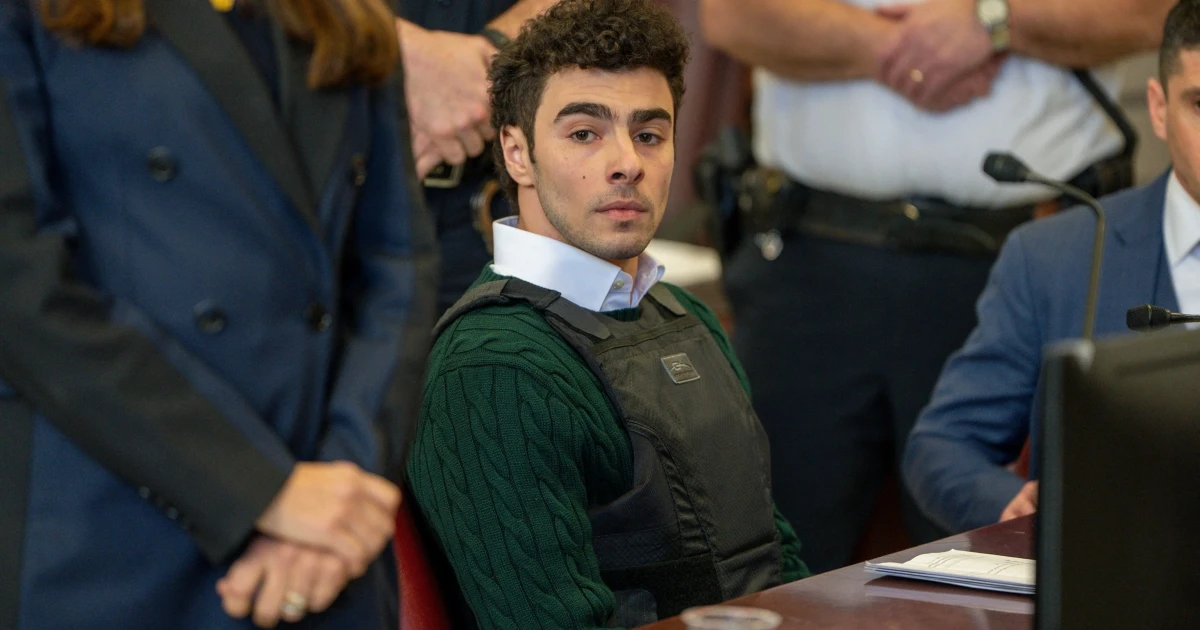
Luigi Mangione’s legal team abandoned a planned psychiatric defense Thursday, a sharp reversal in the New York state murder case over the killing of UnitedHealthcare chief executive Brian Thompson. The move came only one day after Judge Gregory Carro said the defense intended to argue extreme emotional disturbance and that psychiatric records would be unsealed for prosecutors.
The withdrawal changed the legal terrain immediately. Under New York Criminal Procedure Law § 250.10, a defendant who gives notice of intent to present psychiatric evidence can trigger a prosecutor’s request for a court-ordered mental examination. By backing away from that notice, Mangione’s attorneys avoided a process that would have pushed the case deeper into his mental health history and given prosecutors a clearer route to challenge any psychiatric claim before trial.
The defense filing was brief and direct. It said, “The defense respectfully withdraws CPL § 250.10 notice at this time.” That one sentence closed off a strategy that, if accepted by jurors, could have altered the stakes dramatically. The case stems from the Dec. 4, 2024, killing of Thompson outside a Manhattan hotel, and the state trial had been scheduled for Sept. 8, 2026.
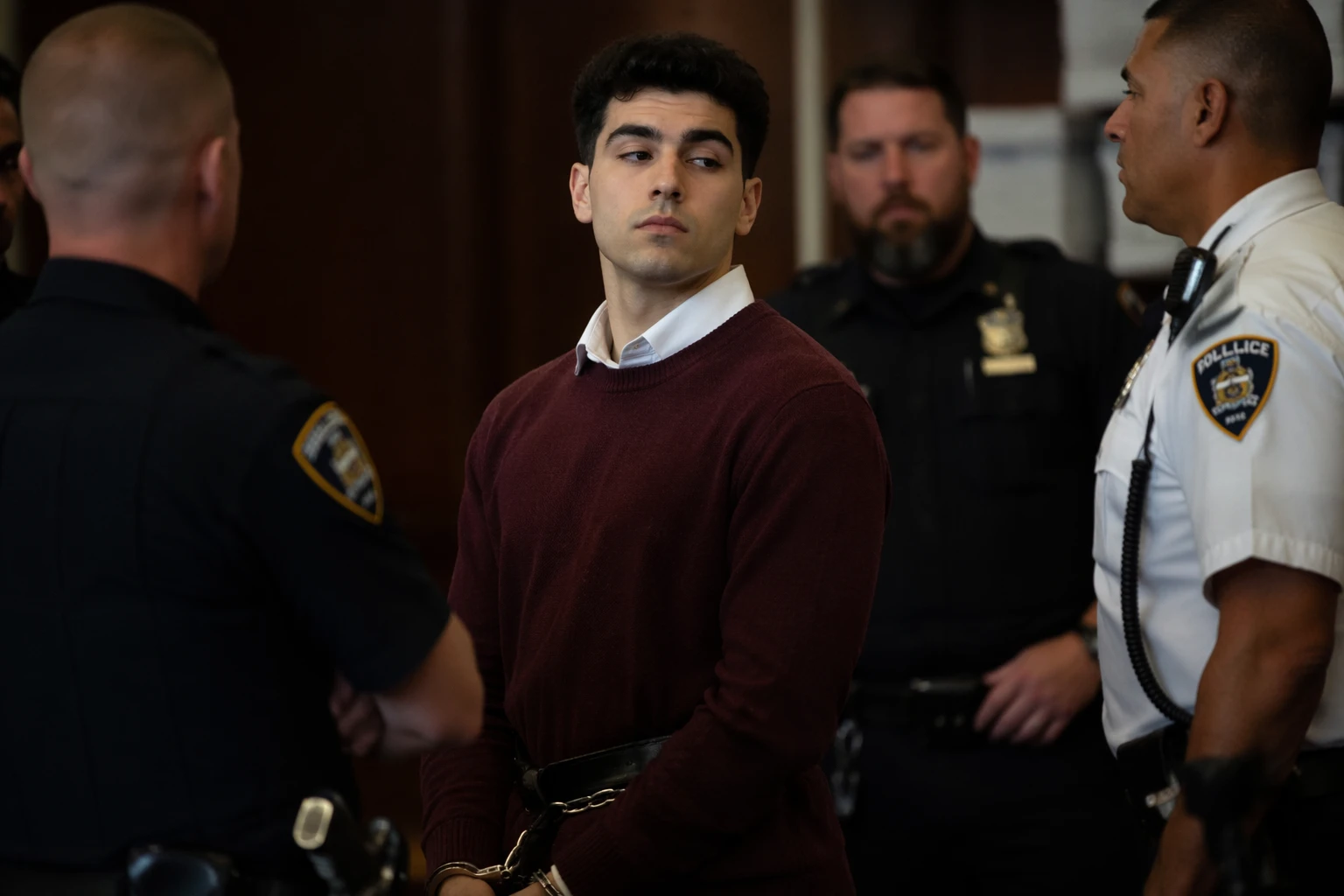
An extreme emotional disturbance defense would not have erased the homicide allegation, but it could have reduced a murder conviction to manslaughter. That shift would have mattered at sentencing: instead of facing a longer prison term, Mangione could have faced up to 25 years in prison. One account said acceptance of the defense also could have led to confinement in a state psychiatric facility instead of prison.
The reversal suggests Mangione’s lawyers may have concluded that the psychiatric route carried more risk than reward, either because the evidence was weaker than first indicated, because the defense was unlikely to persuade a jury, or because the reputational cost of centering the case on mental illness outweighed the potential legal benefit. However the decision is read, it leaves the defense with a narrower path as the case moves toward trial in a proceeding already shaped by the prominence of Thompson’s role at one of the nation’s largest health insurers and the broader scrutiny surrounding the killing.
Sources
- [1]abcnews.com
- [2]cnn.com
- [3]www-cdn.abcnews.com
- [4]apnews.com
- [5]newyork.public.law
- [6]accessnorthga.com
- [7]courthousenews.com