Health
MannKind injection helps heart failure patients avoid emergency infusions

MannKind said its FUROSCIX ReadyFlow autoinjector won FDA approval on July 24, giving adults with heart failure or chronic kidney disease a self-administered way to deliver IV-equivalent diuretic therapy outside the hospital. The company says the product is meant to treat episodes of fluid buildup before they escalate into emergency-room visits and infusion-center care.
MannKind describes FUROSCIX ReadyFlow as the first and only autoinjector delivering IV-equivalent diuretic therapy for edema in adults with heart failure or chronic kidney disease. In its materials, the company says the device is intended for use outside the hospital setting, can be used at home, and is designed to offer a simpler way to address worsening congestion. That is the healthcare-system payoff at the center of the story: if patients can intervene earlier, fewer may need expensive urgent care, repeated infusions or admission.
The approval followed a regulatory process that had already been underway for months. MannKind said the Food and Drug Administration accepted its supplemental new drug application on Dec. 1, 2025, and set a PDUFA target action date of July 26, 2026. The company’s push into this market also came through a deal to buy scPharmaceuticals, the Burlington, Mass.-based company behind Furoscix, in a transaction worth up to $360 million, with MannKind agreeing to pay $5.35 a share plus a $1.00 contingent value right.
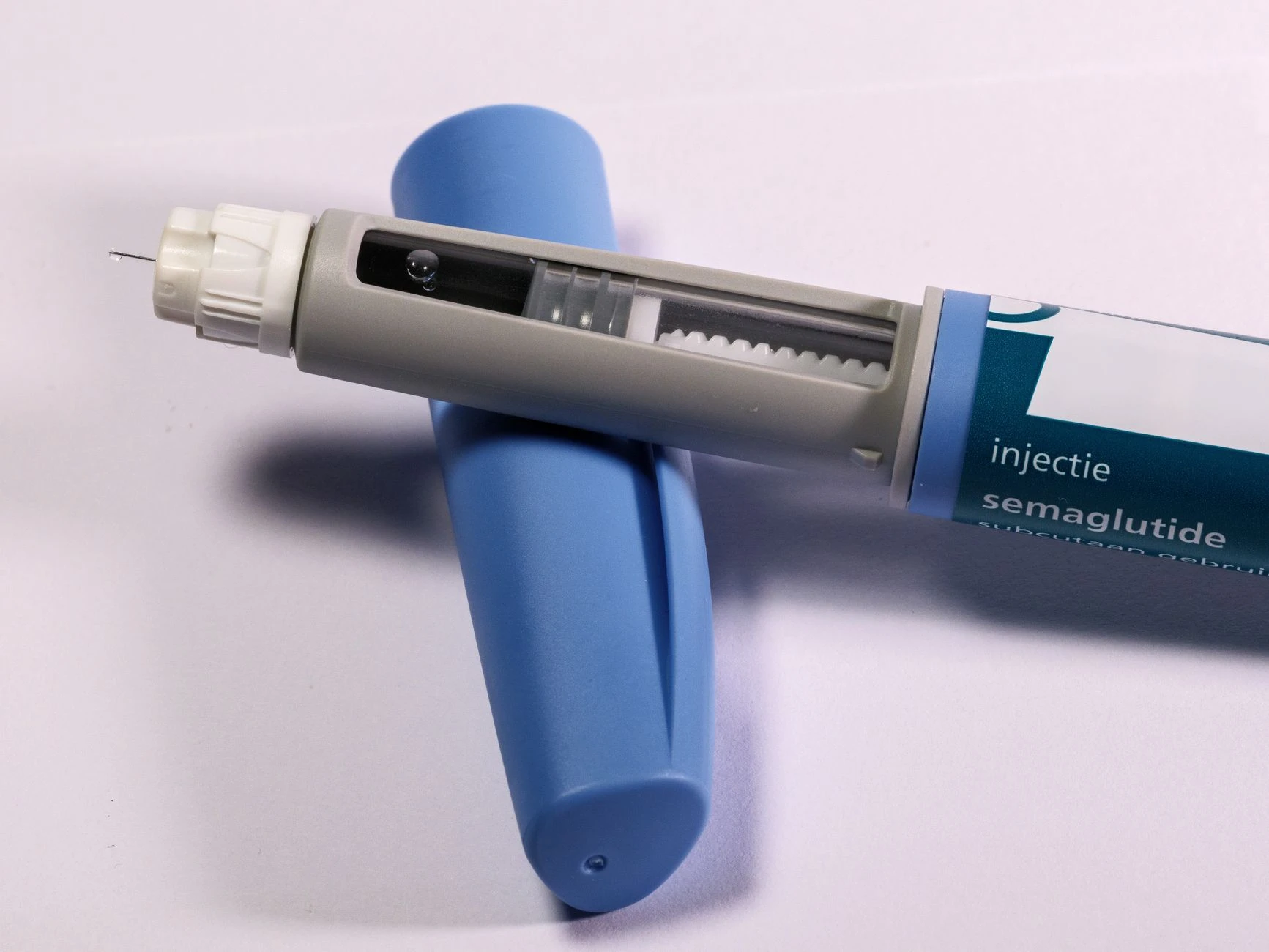
The move fits MannKind’s broader business mix. The company, based in Westlake Village, Calif., says it focuses on cardiometabolic and orphan lung diseases, pulmonary hypertension, and fluid overload in heart failure and chronic kidney disease. For a company built around drug-delivery technology, a home-use autoinjector is a direct extension of that strategy, because it tries to move treatment out of the infusion chair and into a setting patients can manage more easily.
The key question now is how much real-world use the device can win. MannKind’s own claim is ambitious, but the practical test will be whether insurers cover it, clinicians trust it for the right patients, and people with heart failure can use the injector correctly when symptoms worsen. If those pieces line up, the product could reduce pressure on emergency departments and infusion centers that already absorb a large share of heart-failure care.