Health
Manosphere fitness trends miss the bigger picture on men’s health
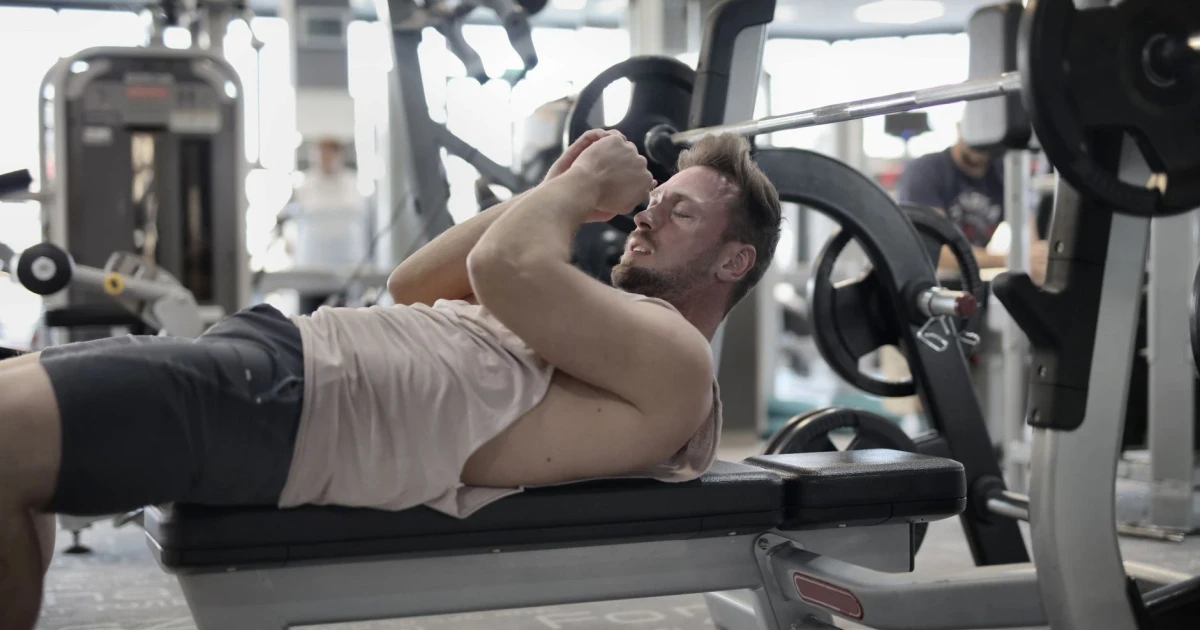
In England and Wales, 6,190 suicides were registered in 2024, and the male suicide rate was 17.6 per 100,000 people. Manosphere fitness content sells discipline, but it often measures success by looks, dominance and relentless self-improvement rather than sleep, nutrition or mental stability. That creates a gap between influencer aesthetics and actual health: a young man can absorb endless optimization advice while doing less real exercise and spending more time in a feed that rewards comparison.
The appeal of the feed
BMJ published research on online forums that exploit the insecurity and vulnerability of young men and promote masculine norms tied to health-risk behaviours. Roughly one in five people experiences a mental health problem, while young men carry some of the highest rates of substance misuse, violent behaviour and suicide. Nature published evidence that boys and young men are struggling with school, health and masculinity.
Mainstream platforms have helped push this material to broad audiences, and the result is a constant stream of advice that can make ordinary habits look inadequate.
What the health data actually says
Physical inactivity is associated with 1 in 6 deaths in the UK and costs an estimated £7.4 billion a year.
There is also a gap between the online picture and everyday behaviour. Sport England’s November 2024-25 Active Lives release found that 64.6% of adults in England met the recommended 150 minutes of moderate activity a week. That leaves a large minority outside the guideline.
Why fitspiration can misfire
Fitspiration — Harvard Health's term for social-media posts intended to inspire physical fitness and promote health — stops being useful when scrolling replaces actual exercise. A person can spend an hour consuming training clips, body-checking photos and meal-rule videos without taking a single meaningful step toward better conditioning or better recovery.
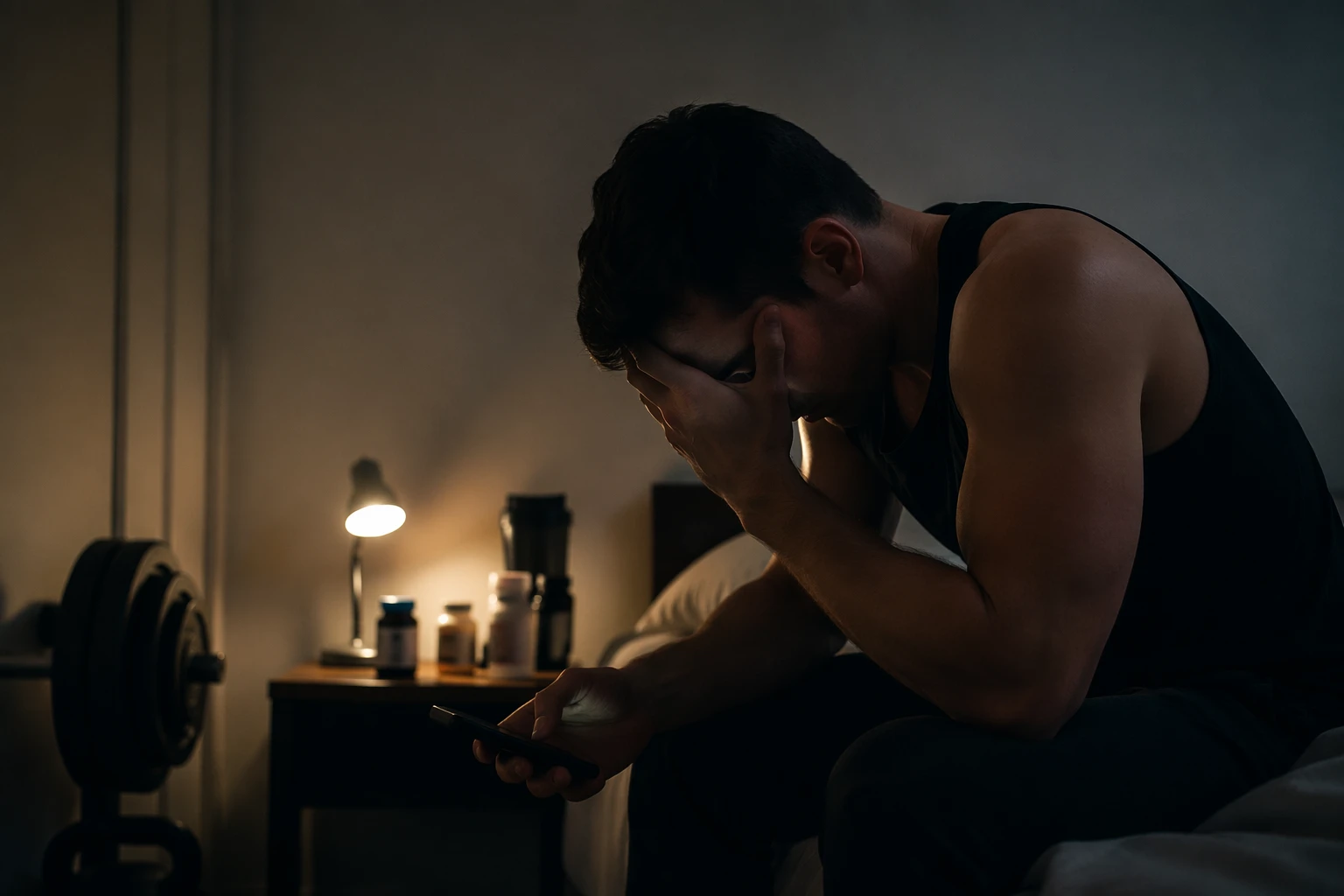
The American Psychological Association found that teens and young adults who cut social media use by 50% for a few weeks improved how they felt about their weight and overall appearance. The World Health Organization found that problematic social media use among adolescents in Europe, central Asia and Canada rose from 7% in 2018 to 11% in 2022.
A man who is told that discipline means perpetual self-scrutiny may end up with poorer sleep, more anxiety and a more fragile relationship with food and exercise.
A healthier model for men’s fitness
The more useful frame is ordinary life, not internet performance. Exercise should support energy, mood, sleep and long-term health, not just appearance. Nutrition should be sustainable, not a cycle of purity rules and rebound behaviour. And mental health should sit inside the same conversation, because the same culture that glorifies domination and hardness can also make it harder to admit stress, loneliness or exhaustion.
Young men need a way to read fitness content the same way they would read a supplement ad: ask what it is trying to sell, what it leaves out and who benefits if they keep watching. A creator who posts a perfect physique may still be promoting a routine that is impossible to maintain, or a mindset that turns every meal, rest day and social event into failure.
What public-health messaging needs to change
The better response is not to shame fitness culture, but to replace narrow male-worth messaging with something measurable and realistic. Public-health campaigns should make room for sleep, food, movement, recovery and mental well-being in the same sentence, because those pieces rise and fall together. They should also avoid presenting self-improvement as a contest, since that logic is exactly what makes the manosphere so persuasive.
That means speaking plainly about what helps: regular activity that can be repeated, fewer hours lost to compulsive scrolling, and a definition of strength that includes stability. It also means recognizing that some boys and young men are looking for structure at the same time they are facing pressure around school, health and masculinity.
Sources
- [1]nytimes.com
- [2]bmj.com
- [3]nature.com
- [4]who.int
- [5]apa.org
- [6]health.harvard.edu
- [7]ons.gov.uk
- [8]gov.uk
- [9]sportengland.org
- [10]netflix.com