World
Maputo tour reveals the enduring legacy of architect Pancho Guedes
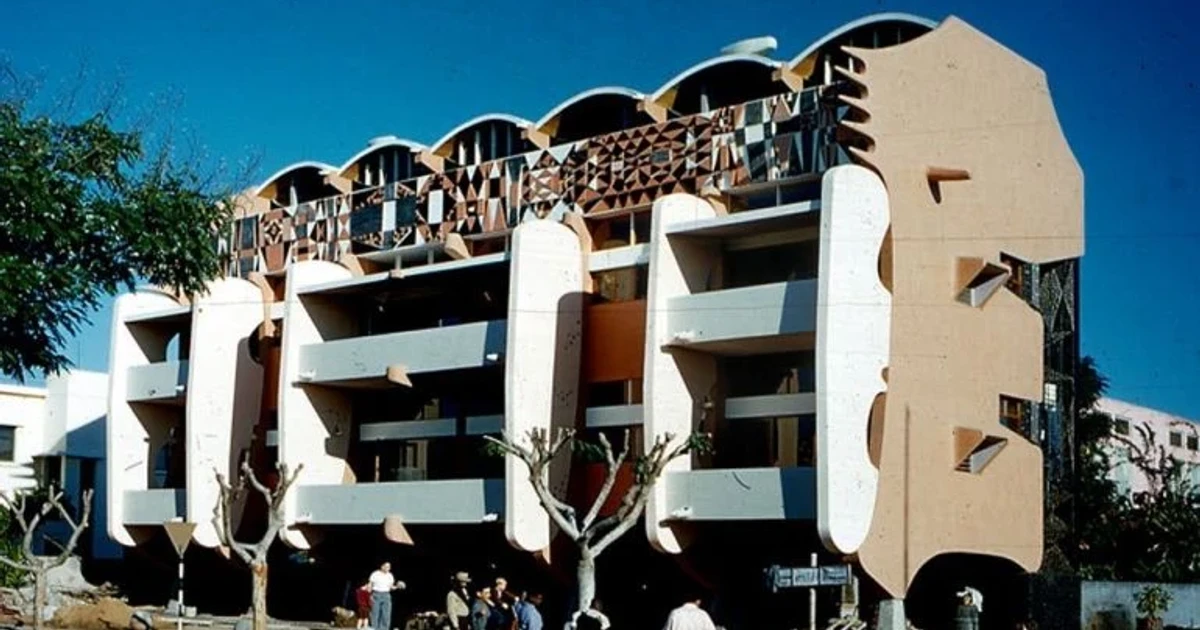
Maputo’s architecture tells a political story as much as an aesthetic one, and Pancho Guedes sits at the center of it. A walk through the capital’s Baixa district shows how colonial-era forms, post-independence identity and modernist experimentation have been preserved, contested and reused in the same urban frame.
Why Pancho Guedes still matters in Maputo
Amâncio “Pancho” Guedes was born in Lisbon on May 13, 1925, and died on November 7, 2015 in Graaff-Reinet, South Africa, but his most enduring work belongs to Mozambique. ArchDaily describes him as one of the earliest post-modernist architects in Africa and credits him with designing more than 500 buildings in Mozambique, many of them in then-Lourenço Marques, the colonial name for Maputo until 1976. That scale matters: his buildings were not isolated statements, but part of the city’s everyday visual fabric.
His work in Maputo from the 1950s through the 1960s helped define the city’s central character at a time when colonial neoclassical, Manueline, art deco, Bauhaus, tropical modernism and brutalism were all competing for space. Maputo has long been known for that eclectic mix, and Guedes’s structures helped push the capital beyond imitation into something stranger, more local and more difficult to categorize. That is why his legacy remains politically relevant now: architecture here is not just design, but a record of who had power, who imagined the city, and whose identity the capital was built to reflect.
Reading the city through Baixa de Maputo
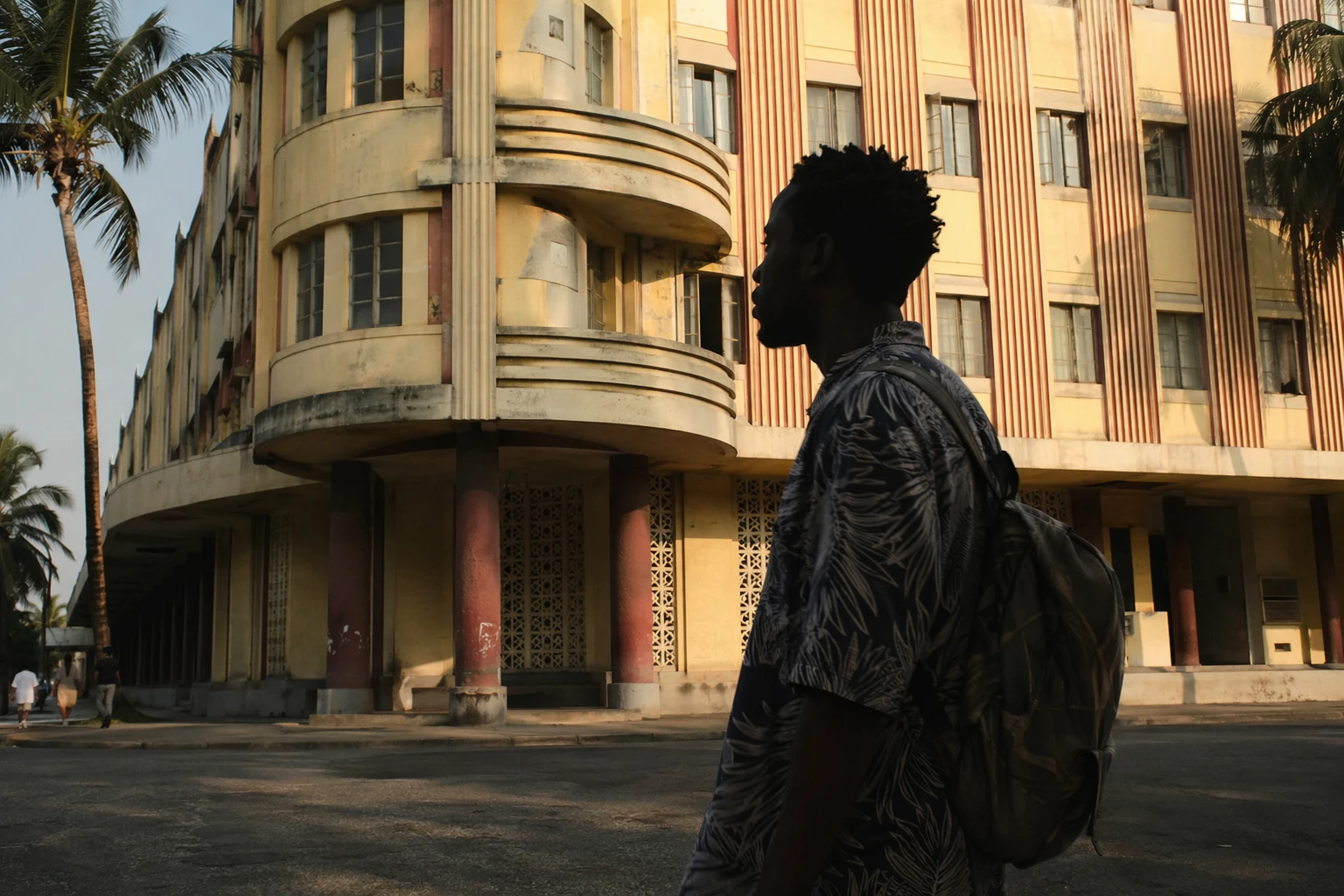
Any serious encounter with Guedes begins in Baixa de Maputo, the historic downtown district where his surviving landmarks still shape the street level experience of the capital. The district sits inside a city of 1,088,449 people according to the 2017 census, within a metropolitan area that reached 2,717,437 when Matola is included. Those numbers underscore the pressure on the urban core: the buildings are not museum pieces on the margins, but part of a fast-growing capital where development, preservation and civic memory now compete for the same ground.
What makes Guedes’s imprint distinctive is not only the number of buildings, but the way his forms fused modernism with vernacular and surrealist ideas. That combination gave Maputo landmarks that feel both civic and theatrical, rooted in African urban life while refusing the rigid logic of standard colonial planning. In a city where identities have been renamed, reclaimed and renegotiated, his buildings keep asking a difficult question: what should a capital look like when its history is layered rather than settled?
The buildings that define the route
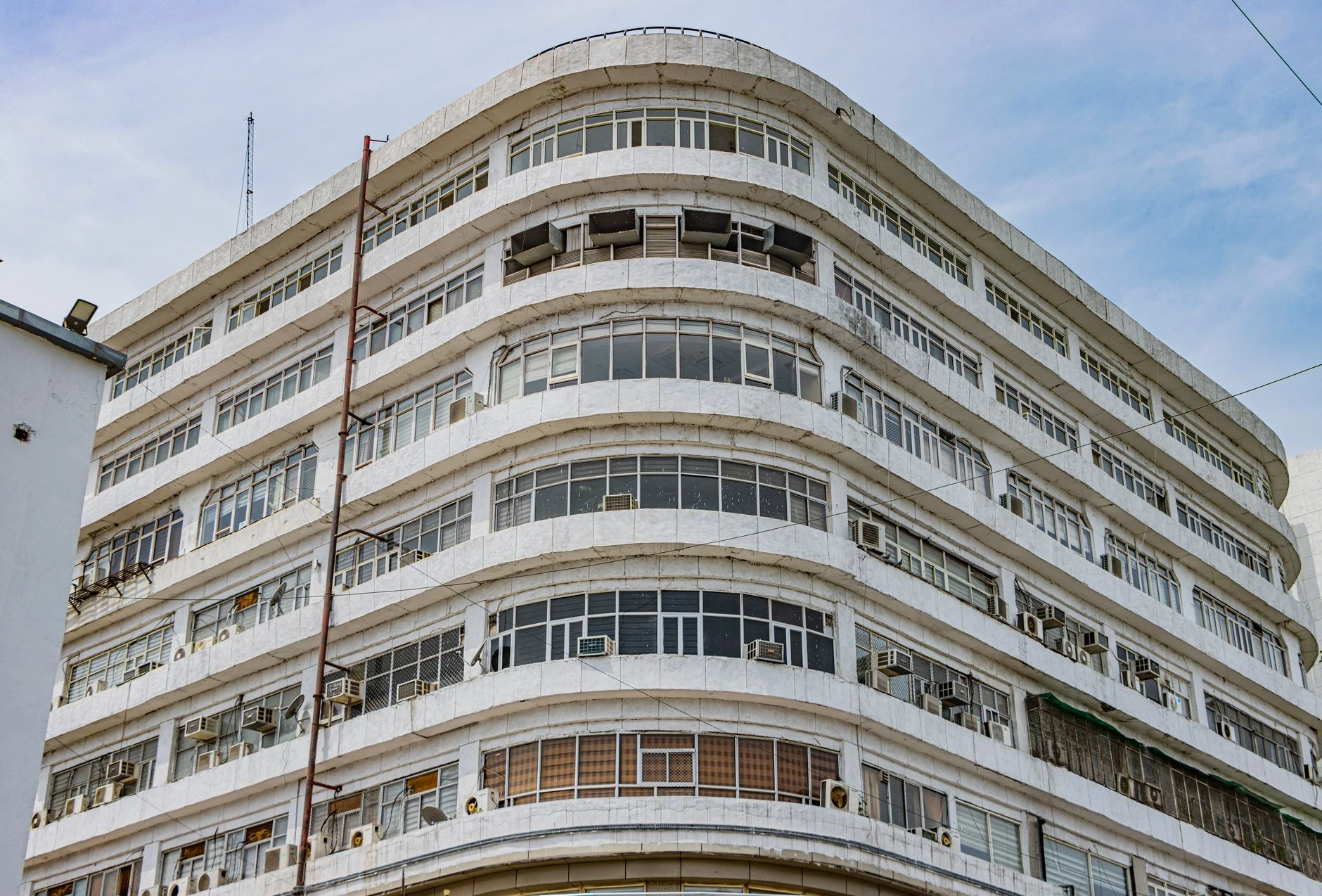
Several Guedes works in Maputo remain key reference points for understanding his reach. Each reveals a different side of his method, from whimsy to density to institutional ambition.
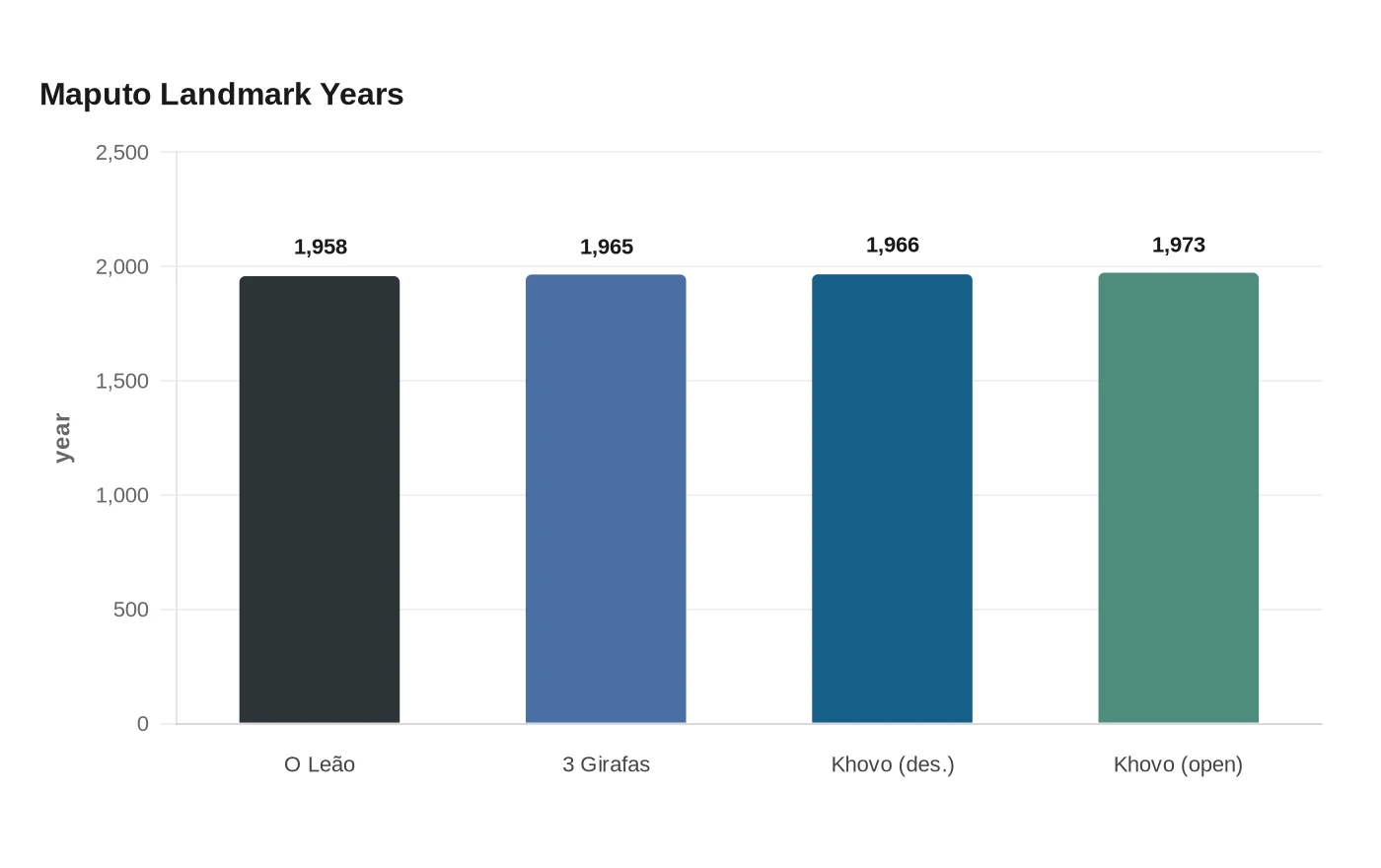
• O Leão Que Ri was completed in 1958, and its design famously came from a drawing made by Guedes’s six-year-old son. That origin story captures the architect’s willingness to turn domestic imagination into public form, a move that helped separate his work from the sober conventions usually associated with colonial-era urbanism.
• Casa das Três Girafas is commonly dated to around 1965. Its nickname alone hints at the playful, almost sculptural quality that made Guedes’s buildings stand out in central Maputo, where the city’s architectural language was already unusually mixed.
• Khovo Lar student residence was designed in 1966 and inaugurated in 1973. Its delayed opening reflects how Guedes’s architecture extended beyond visual novelty into the longer arc of post-independence use, becoming part of the city’s social infrastructure rather than remaining a private expression.
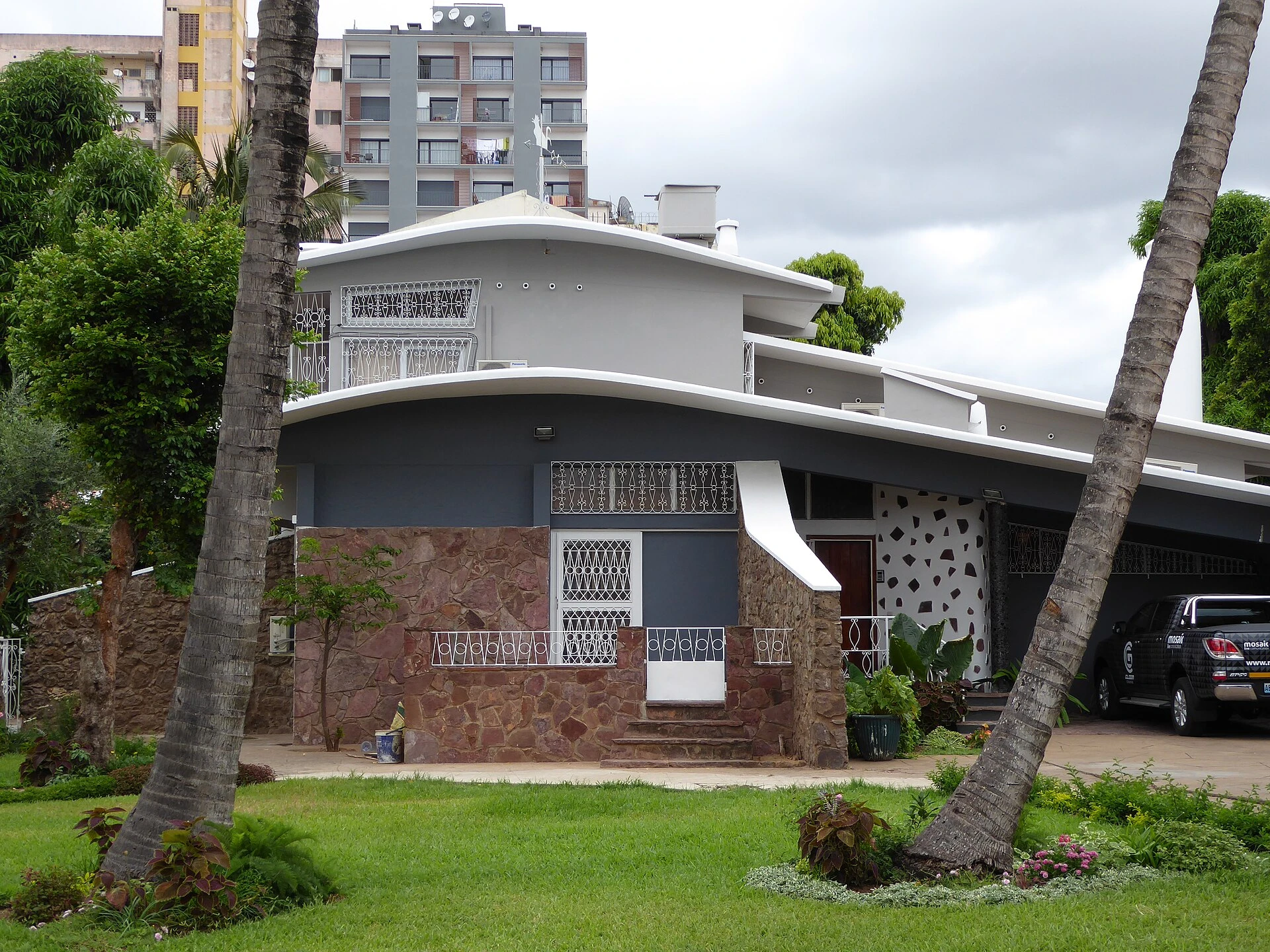
Taken together, these buildings show why his work still draws historians and preservationists. They are not simply old structures with a recognizable name attached; they are active witnesses to the passage from Lourenço Marques to Maputo and to the continuing debate over what parts of that past deserve protection, reuse or reinterpretation.
From Maputo to Eswatini, and back into the regional story
Guedes’s influence was not confined to Mozambique’s capital. He also worked on the campus for Waterford Kamhlaba United World College of Southern Africa in Eswatini, the first multi-racial school in Southern Africa. That detail expands the meaning of his career beyond style alone: his work touched institutions associated with education, access and regional change, not just urban prestige.
This regional reach matters because Guedes is often discussed as an outlier in architectural history, even when his output was vast. ArchDaily has noted both his centrality and the wider tendency to under-recognize East African modernist architects compared with their counterparts in West Africa. That imbalance helps explain why Maputo’s buildings still require active interpretation, not passive admiration. The city’s architectural memory is part of a larger struggle over which African modernisms get documented, valued and carried forward.
What the legacy asks of the city now
Maputo’s built environment is more than a collection of styles; it is a public argument over identity. Colonial neoclassical and Manueline structures still share space with art deco, Bauhaus, tropical modernism and brutalism, while Guedes’s buildings add a line of work that is harder to place neatly within any single category. In that mix, the surviving landmarks are especially important because they show how modernist ambition was adapted to local conditions rather than imported unchanged.
That is why Pancho Guedes matters now. His buildings reveal a capital city still negotiating the meaning of its own image, one where preservation is never neutral and where architectural taste is inseparable from civic power. In Maputo, the question is not whether his imprint remains visible, but who will decide how long it stays that way.
Sources
- [1]npr.org
- [2]archdaily.com
- [3]en.wikipedia.org
- [4]pt.wikipedia.org