Business
Markets choppy as Trump’s Hormuz levy jolts oil traders
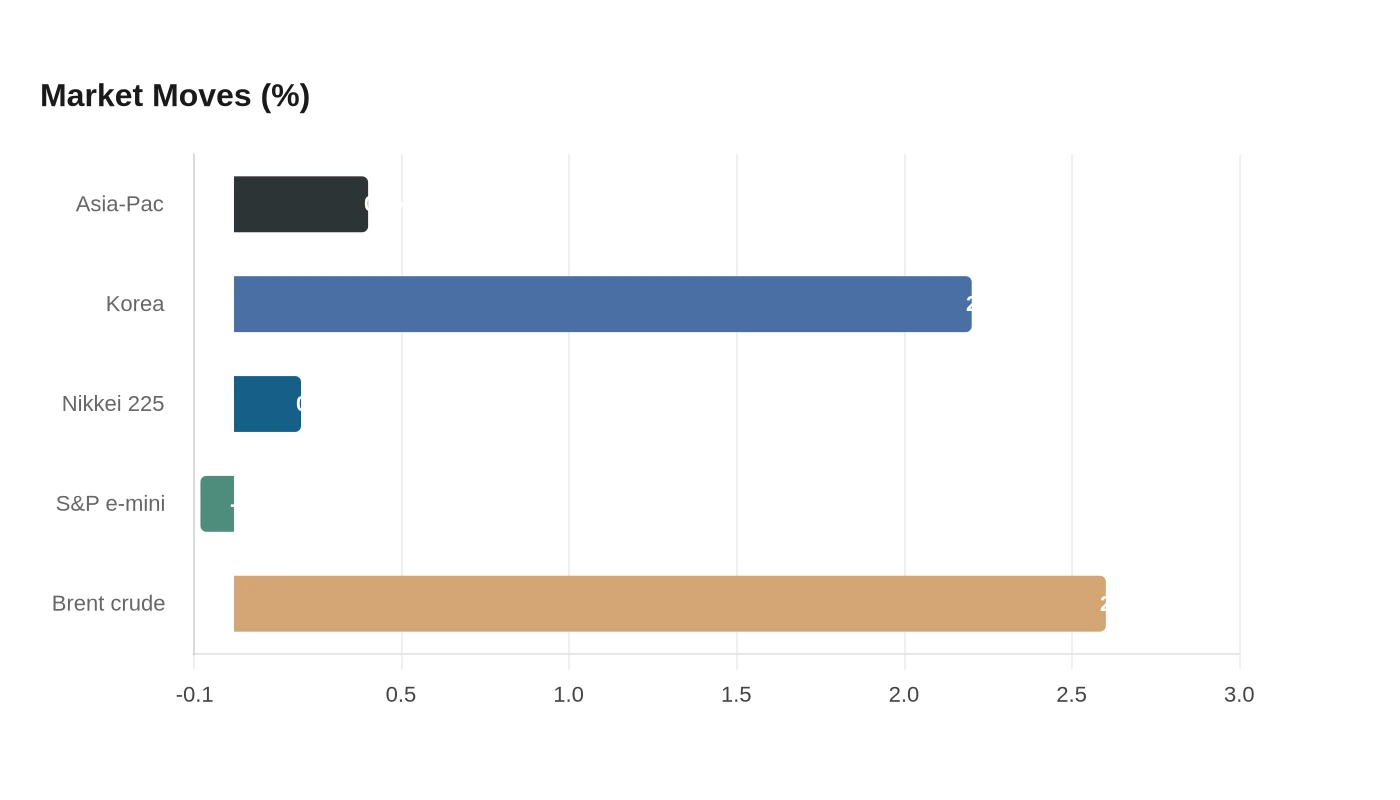
Trump’s threat to reinstate a blockade on Iranian shipping in the Gulf and collect a 20% fee on cargo crossing the Strait of Hormuz pushed Brent crude to a one-month high in early Asian trade, while equities moved in a tighter, more nervous range. MSCI’s broadest index of Asia-Pacific shares outside Japan rose 0.4%, helped by a 2.2% gain in Korean shares, while Japan’s Nikkei 225 added 0.2% and S&P 500 e-mini futures slipped 0.1%.
Brent crude futures climbed 2.6% to $85.50 a barrel, the highest level since mid-June, after surging 9.6% in the previous session, the biggest one-day jump since May 2020. Traders were reacting to the possibility of a new toll on one of the world’s most important oil arteries, where any interruption quickly ripples through fuel costs, inflation expectations and energy-sensitive equities.
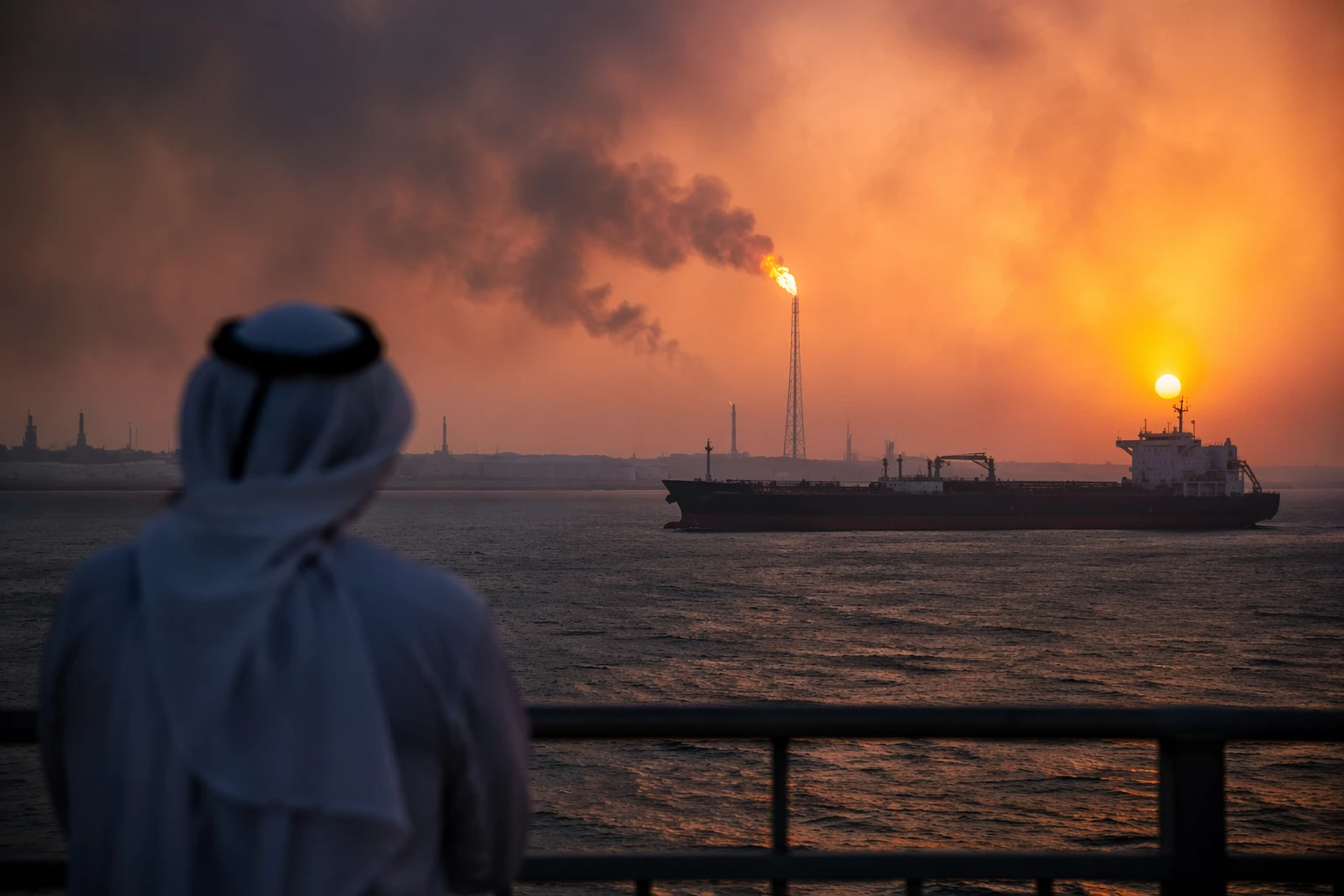
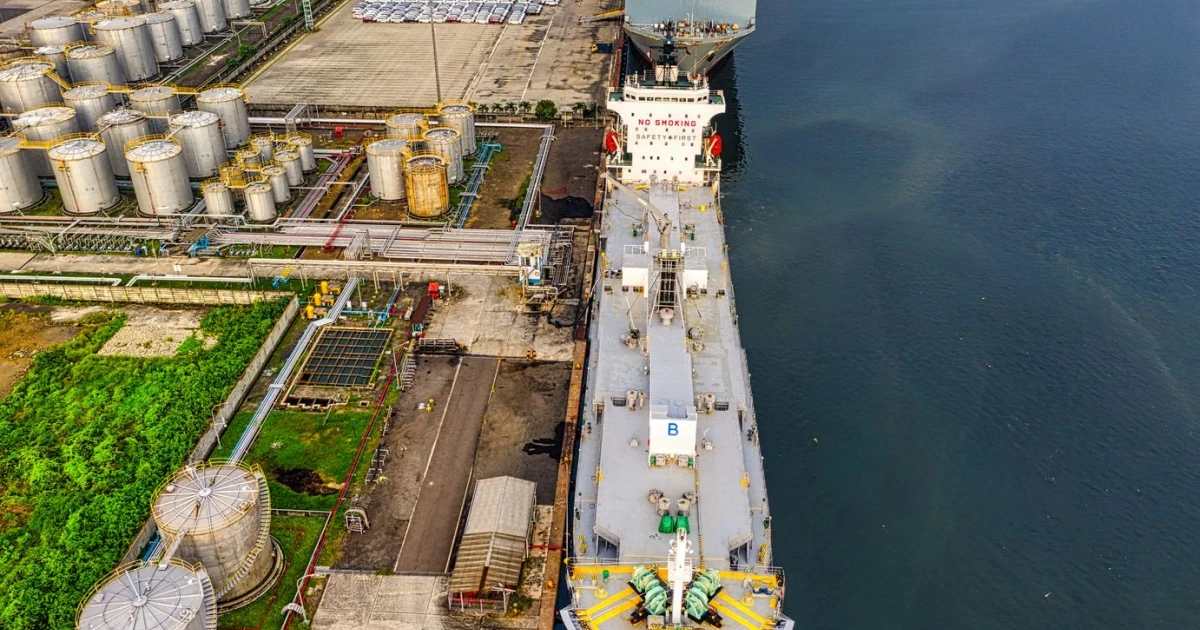
Oil flow through the Strait of Hormuz averaged 20 million barrels a day in 2024, about 20% of global petroleum liquids consumption, according to the U.S. Energy Information Administration. The International Energy Agency puts the figure at roughly 20 million barrels a day, or about a quarter of world seaborne oil trade, with around 80% of that oil destined for Asia. It estimates only 3.5 million to 5.5 million barrels a day of pipeline capacity could potentially reroute crude around the chokepoint, leaving little room if traffic were disrupted.
The International Maritime Organization said hundreds of ships carrying around 6,000 seafarers remained stranded in the Persian Gulf and called for “maximum restraint and de-escalation” after renewed attacks on vessels in the region. Arsenio Dominguez, the IMO’s secretary-general, condemned the attacks on commercial shipping and warned that no seafarer should have to risk life simply for doing their job.
Federal Reserve Governor Christopher Waller said on Monday the central bank may need to raise interest rates in the near term if inflation stays too hot, sharpening concern that higher crude prices could feed into broader price pressures and make policy choices harder. The World Trade Organization’s Strait of Hormuz Trade Tracker includes natural gas, fertilizers and agricultural products among the waterway’s cargoes.
Sources
- [1]news.google.com
- [2]streetinsider.com
- [3]money.usnews.com
- [4]eia.gov
- [5]iea.org
- [6]imo.org
- [7]federalreserve.gov
- [8]datalab.wto.org