US News
Markets React as US Announces Strait of Hormuz Blockade
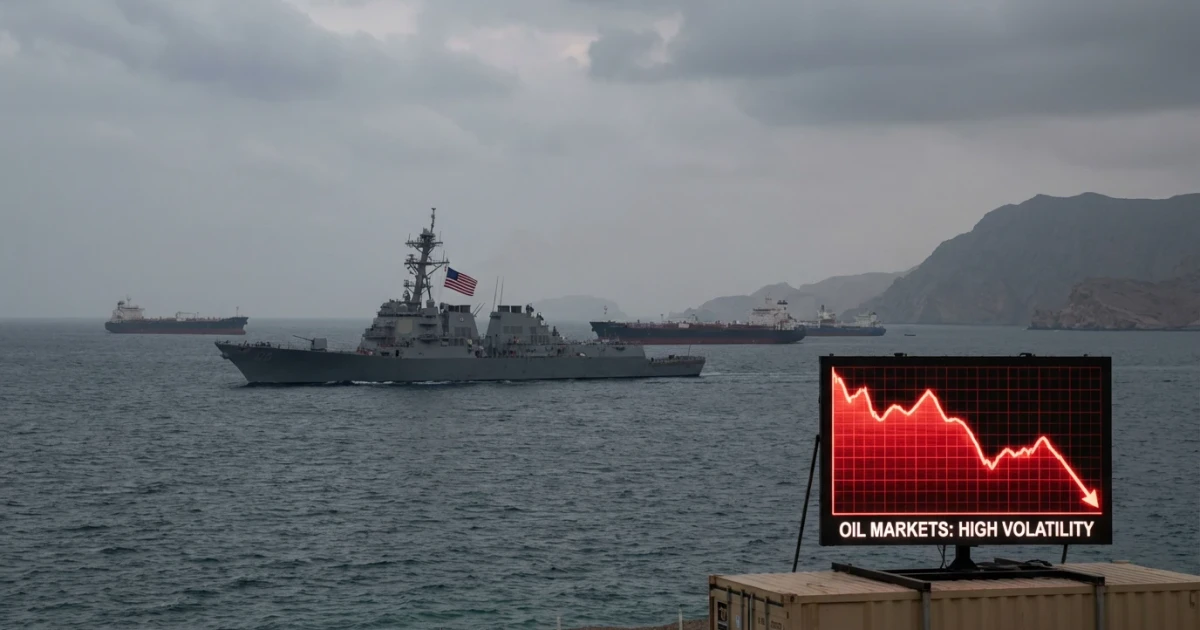
Financial markets experienced heightened volatility early Monday after former President Trump announced a US-led blockade of the Strait of Hormuz, following the breakdown of diplomatic talks. The Dow Jones Industrial Average futures initially fell but later pared losses, reflecting investor uncertainty as traders weighed the implications for global energy supplies and geopolitical stability.
Strait of Hormuz Blockade Announcement
The Strait of Hormuz, a strategic waterway between the Persian Gulf and the Gulf of Oman, is considered the world’s most important oil transit chokepoint. According to the US Energy Information Administration, roughly 21 million barrels of oil pass through the strait daily, representing about 21% of global petroleum liquids consumption. Any military action or threat of disruption has immediate global market ramifications.
CNBC reported that President Trump’s decision was made public after negotiations with Iranian officials failed. The announcement led to a swift reaction across financial markets, with energy prices and equity futures moving sharply in pre-market trading.
Immediate Market Impact
- The Dow Jones Industrial Average futures initially dropped more than 300 points before recovering some ground, as investors processed the significance of a potential blockade. For the latest futures data, readers can consult CME Group’s live Dow Jones data.
- Oil prices surged in early trading, with international benchmark Brent crude jumping as traders anticipated possible supply disruptions. Historical and current Brent spot prices are available from the US EIA.
- Market participants also monitored live ship movements in the region for signs of shipping delays or rerouting.
Global Energy Security Concerns
The potential for a prolonged blockade of the Strait of Hormuz has raised alarms about global energy security. The region’s importance is underscored by the fact that a significant share of crude oil exported by OPEC members flows through the strait. The OPEC Monthly Oil Market Report provides further details on regional oil export volumes.
With the diplomatic impasse unresolved, analysts warn that extended tensions could disrupt not only oil flows but also liquefied natural gas shipments, affecting energy-importing nations in Asia and Europe. The EIA’s Strait of Hormuz overview offers in-depth analysis of the chokepoint’s strategic significance.
Broader Financial Volatility
Beyond energy markets, the announcement contributed to instability in global equities, currencies, and derivatives. The threat of a blockade introduces new risks for international banks and investors, as reflected in derivatives data tracked by the Bank for International Settlements and weekly sentiment reports from the CFTC.
The situation remains fluid, with policymakers and market participants closely watching for further developments. The outcome of this geopolitical standoff will likely influence energy prices, shipping routes, and broader market sentiment in the days ahead.
Looking Ahead
As the US and Iran stand at an impasse, investors and governments are bracing for possible escalation or renewed diplomacy. The world’s focus will remain on the Strait of Hormuz, a vital artery for the global economy, until the current crisis is resolved or de-escalated.