Technology
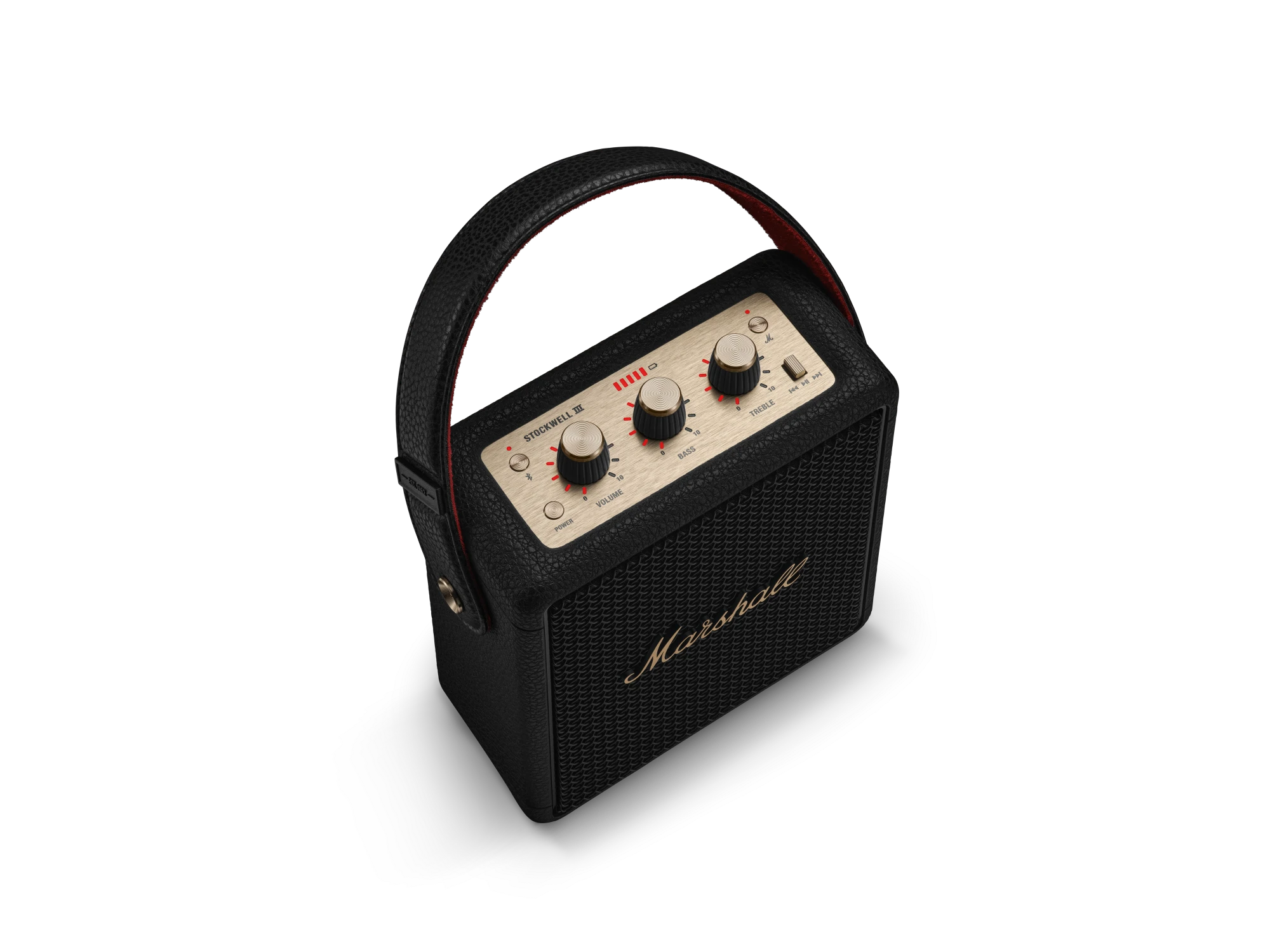
Marshall Stockwell III adds replaceable battery and longer playtime

Marshall is giving its Stockwell portable speaker a repairability angle that is increasingly rare in consumer audio: a replaceable battery. The Stockwell III keeps the brand’s familiar amp-inspired look, including a large carrying handle and 360-degree sound, but the bigger story is not styling. It is whether a premium Bluetooth speaker can be built for longer ownership instead of planned replacement.
That matters because batteries are often the first component to age out of a portable device. A speaker with a swappable battery can cost less to keep in service over time, last beyond the life of its original cell, and send less hardware to the waste stream. For buyers who expect to keep a speaker for years, that is a more practical upgrade than a cosmetic refresh. It also gives Marshall a chance to stand apart in a category where sealed batteries are still the norm.
Marshall’s current Stockwell II sets the baseline. Released in 2019, it uses Bluetooth 5.0, carries an IPX4 water-resistance rating, weighs 1.4 kilograms and offers more than 20 hours of playtime. Marshall’s charging guidance says 20 minutes of charging can provide six hours of playback, while the manual lists a built-in rechargeable Li-ion battery with 20-plus hours of playtime and a 2.5-hour charging time. The speaker also supports a 10-meter Bluetooth range.
The new model arrives with useful historical context. Marshall’s original Stockwell, released in 2015, was rated for up to 25 hours of playtime, and an older manual said its internal battery was user-replaceable. That makes the Stockwell III less like a radical reinvention than a return to a more serviceable design idea that Marshall once treated as normal.
Whether that signals a wider shift is the real question. A replaceable battery can be meaningful if Marshall backs it with available parts, clear service information and pricing that makes repair realistic. Without that, it risks becoming a premium feature that matters on paper more than in the average living room. But in a market where many gadgets are effectively disposable when the battery fades, Marshall is at least pointing in a different direction: one that rewards longer use, lower replacement costs and less e-waste.
Sources
- [1]theverge.com
- [2]marshall.com