Sports
Martínez proud of Portugal’s fight after Euro 2024 exit
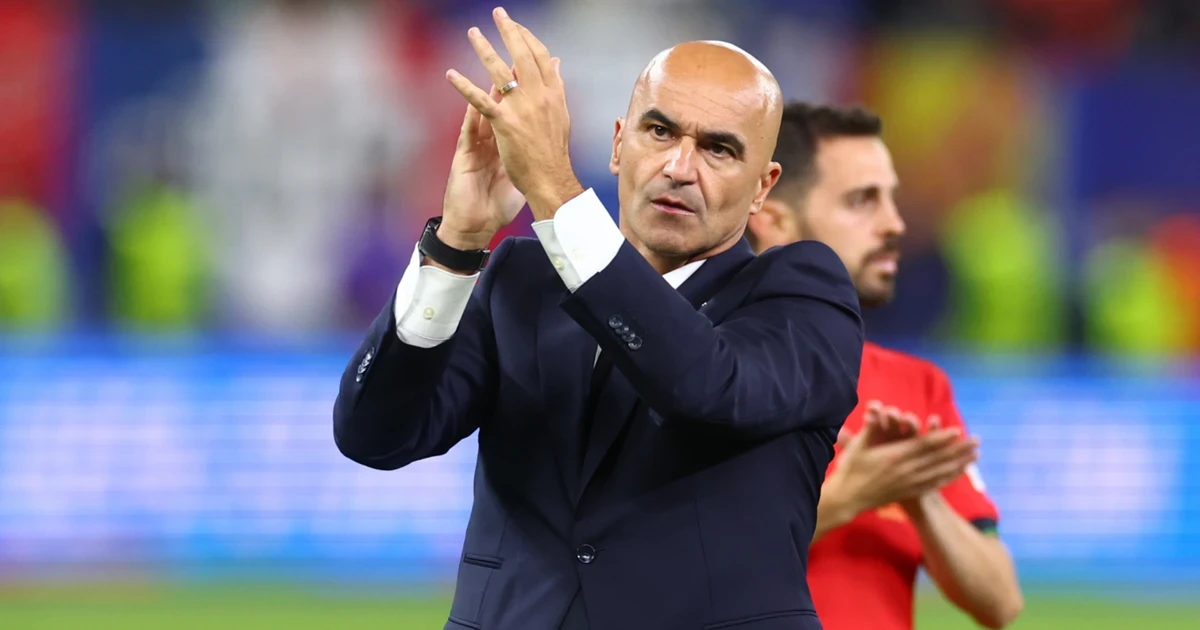
Roberto Martínez left Portugal’s Euro 2024 exit with pride as well as regret after his side fell 5-3 on penalties to France in Hamburg on July 5, 2024, following 0-0 after extra time at the Volksparkstadion. The Spain-born coach argued Portugal had earned the chance to play on in extra time against one of the tournament’s title contenders, even if the scoreboard never moved before the shootout.
The narrow defeat sharpened the debate over what Portugal had actually produced. Martínez rejected any blame being assigned to João Félix after the forward missed from the spot, describing the miss as bad luck rather than a failure of nerve. He also said it was too early to talk about Cristiano Ronaldo’s international future, an answer that underlined how much the team’s identity still ran through its captain even as a new phase was beginning.
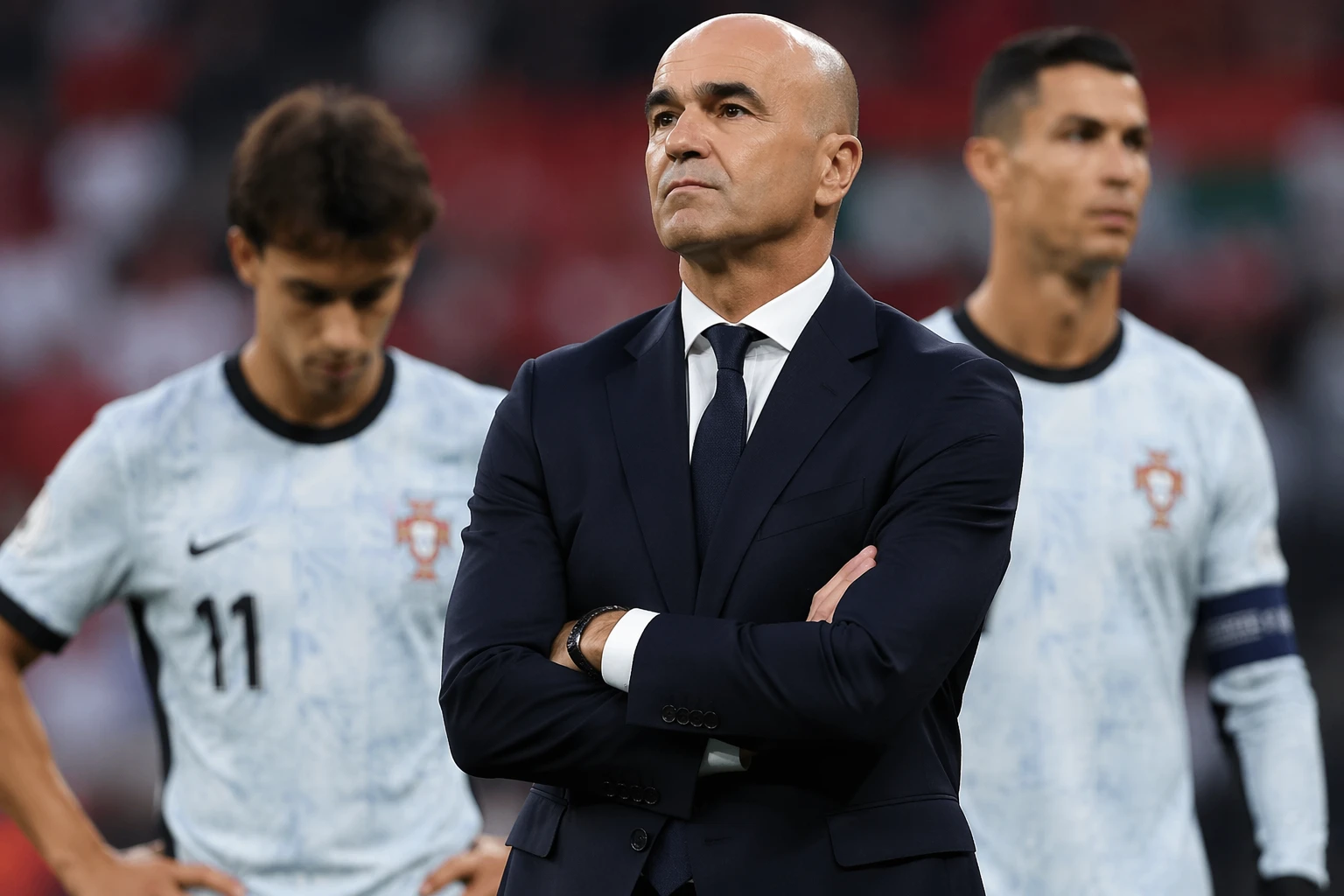
That tension has defined Martínez’s Portugal. The performance in Hamburg suggested a team resilient enough to stay level with elite opposition for 120 minutes, but not yet ruthless enough to turn that resistance into a place in the semifinals. A match that ended in penalties can hide a larger problem: Portugal did enough to stay alive, but not enough to settle the contest before the shootout decided it.
A year later, Martínez had the first major trophy of his Portugal tenure. On June 8, 2025, Portugal beat Spain 5-3 on penalties in the Nations League final in Munich after a 2-2 draw, becoming the first country to win the competition twice. Martín Zubimendi and Mikel Oyarzabal scored for Spain, while Nuno Mendes and Ronaldo answered for Portugal before Ronaldo converted in the shootout and Portugal lifted the trophy.
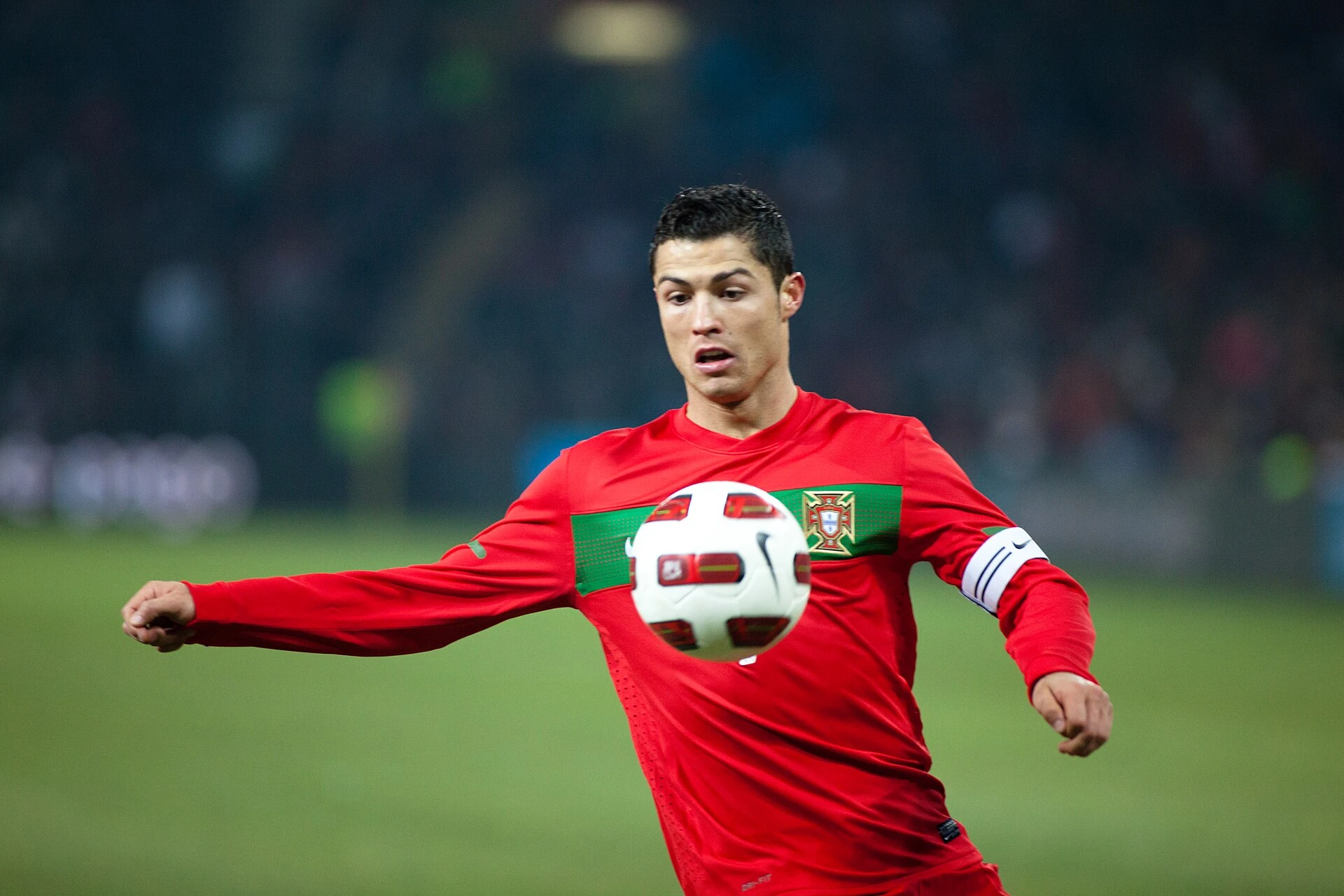
Taken together, the two nights frame Martínez’s argument about Portugal’s competitiveness. Hamburg showed a side capable of surviving against a favorite and taking the game to the edge of extra time; Munich showed the same group finding a way through another final. The results also point to the larger question hanging over the national team: how much of the old Ronaldo era still remains, and how much of Portugal’s next cycle is already being built around what comes after him.
Sources
- [1]telemundo.com
- [2]sportstar.thehindu.com
- [3]espn.com
- [4]uefa.com
- [5]france24.com