Politics
Maryland Senate President Considers Special Redistricting Session
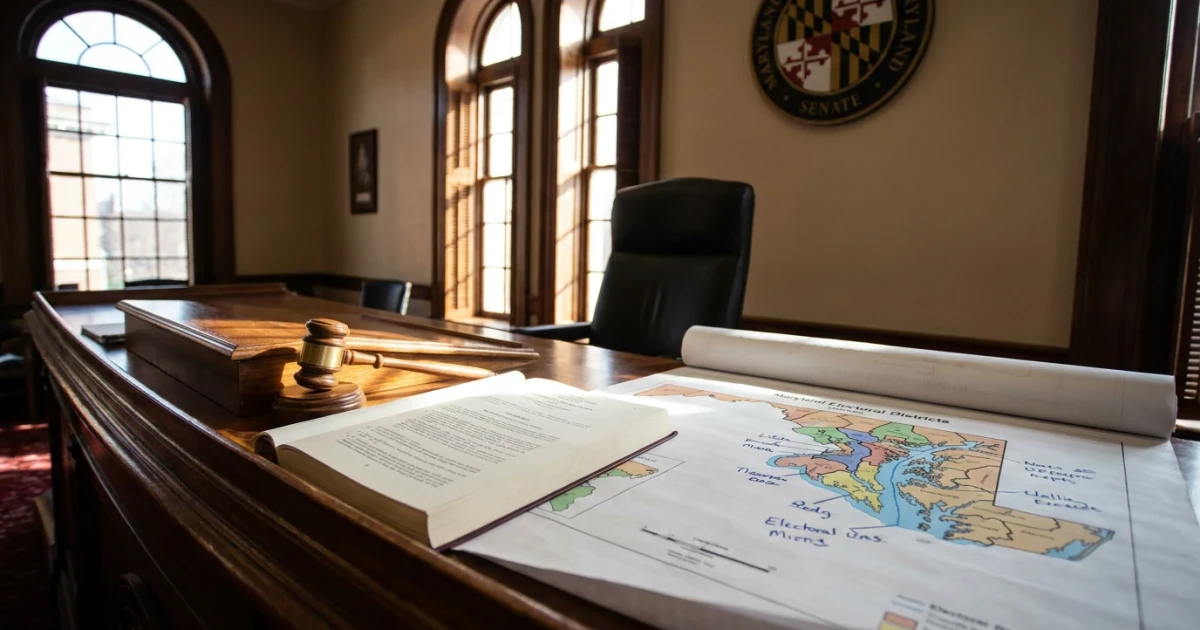
Maryland’s legislative leaders are weighing the possibility of a special session focused on redistricting, as signaled by the state’s Senate president this week. The development adds urgency to ongoing debates over how district boundaries are drawn and what changes could mean for future elections.
Senate President Hints at Legislative Action
In a statement covered by WBAL-TV, Senate President Bill Ferguson indicated that the Maryland General Assembly may be called back for a special session to consider redistricting matters. This comes as the state continues to navigate the complex process of adjusting legislative and congressional district boundaries in response to changing population data.
Why Redistricting Is Back in the Spotlight
Every ten years, states undertake redistricting to ensure representation reflects shifts in population, as captured by the U.S. Census. Maryland’s most recent cycle has seen a mix of legislative action, court challenges, and public scrutiny, with boundaries impacting the balance of political power at both the state and federal levels.
- The Maryland General Assembly’s Special Committee on Redistricting is responsible for reviewing proposed maps and making recommendations.
- Detailed demographic shifts, available through the U.S. Census Bureau’s Redistricting Data Summary Files, have fueled debates over how best to balance districts.
Potential Reasons for a Special Session
Though no official agenda has been set, analysts suggest several possible triggers for a special session:
- Legal challenges or court rulings requiring map revisions
- New population data necessitating further adjustments
- Political pressure from advocacy groups or constituents
Maryland has previously faced lawsuits and public pushback over concerns about gerrymandering and the fairness of its districts. Lawmakers may seek to preempt further controversy by revisiting boundaries before the next election cycle.
Redistricting Process and Oversight
The Maryland process involves multiple layers of review. The Special Committee on Redistricting gathers input from the public, reviews proposed maps, and makes legislative recommendations. The General Assembly must then approve any changes, which can be subject to the governor’s veto.
For a broader look at how Maryland’s approach compares to other states, readers can review the National Conference of State Legislatures’ explainer on redistricting commissions.
What Comes Next
While the Senate president’s statement stops short of confirming a special session, it signals that lawmakers are preparing for possible action. If a session is called, it could shape Maryland’s political landscape for years to come, affecting everything from legislative priorities to federal representation.
As the process unfolds, Maryland residents and political observers will be watching closely for updates from legislative leaders, the courts, and advocacy groups. For the latest data, maps, and official documents, interested readers can consult the Maryland Redistricting Data Hub.
With redistricting at the heart of democratic representation, the possibility of a special session underscores the stakes for lawmakers and voters alike.